
Voyage Immersive

Voyage Immersive is a luxury lifestyle magazine covering fashion, culture, weddings and the people shaping them.

Carlixe: No Genre Box Required

The Sydney and Singapore-based artist on skipping the genre box, polishing a sound, and the gap between a heartfelt song and a club set.

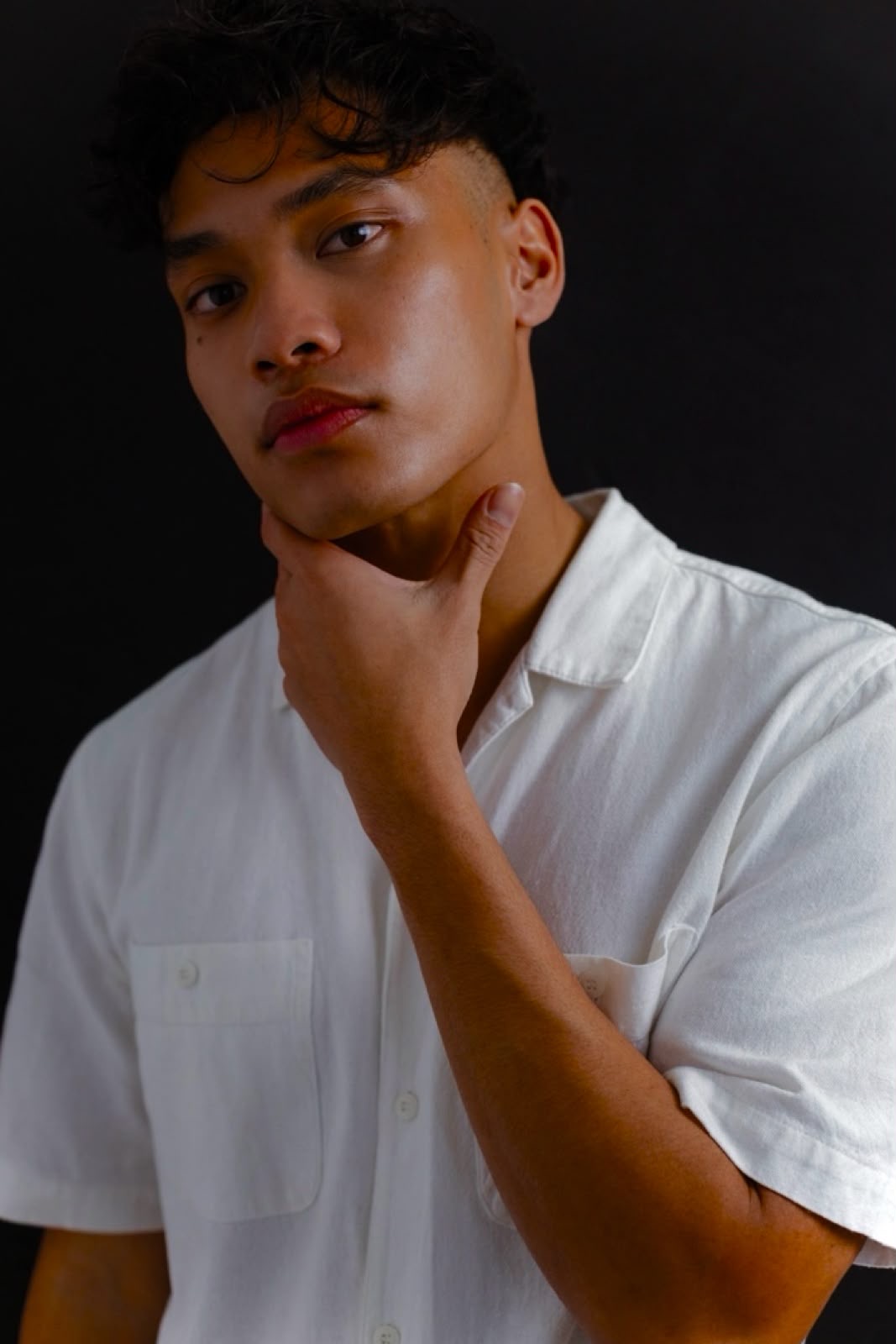
Photography Courtesy of Carlixe

The name carlixe comes from a middle name, Carlile, but the artist behind it has spent years learning that he does not have to pick a single lane. Piano is where his songs start. Production is how he shapes them. A DJ booth is where the more electronic half of his catalogue gets its outing.

Based between Sydney and Singapore, he credits one city with sharpening his lyrics and the other with sharpening his production, and the result is a sound that sits between alternative pop, hip-hop and EDM. He has had Spotify Singapore editorial placements for “Breathing, Just Fine” and “Always at a Crossing,” and is a 2026 JBL YourShot finalist mentored by ROBUSTT.

In this conversation he talks about abandoning the genre box, why EDM taught him to simplify, and what hundreds of vocal takes actually look like.

Who is carlixe, and how did music become your path?
“carlixe as my alias was a derived allonym of my middle name, Carlile. I see carlixe as a creative force merging electronic and singer-songwriter influences in the EDM, Hip-Hop and Alternative Pop scenes, creating immersive sonic worlds with emotive lyrical content.
 
Music, and art as a whole, has always been the centre for personal expression of one’s sentiments. Before I decided music was the thing for me, it was a form of escape and self-therapy. I grew up with a combination of self-learning and formal training on the piano, which became my main compositional instrument when sketching songs into existence. It was only when people reached out to me about how my music had made them feel, or moved them, that I began to embrace my strength in reaching out to others.”
You’re based between Sydney and Singapore. How have both cities shaped your sound and identity as an artist?
“Singapore definitely offered me more exposure to alternative pop and indie, whether it be the local music scene or the global music that was popular among Singaporeans. That focus on alternative pop lent inspiration to writing more reflective and sentimental lyrics. Sydney, on the other hand, played a stronger role in tapping into my abilities as a producer. Many of the producers and talent I surround myself with in Sydney and Australia come from hip-hop, rap and EDM backgrounds that focus on polishing production quality. That allowed me to shape my production to sound commercially better, something you might deem more radio worthy.
 
Being wedged between these two geographical worlds has definitely made me a more conscientious and complex artist when approaching songwriting and production. Attention to detail became key.”
“Being wedged between these two geographical worlds has definitely made me a more conscientious and complex artist.”
— Carlixe
What draws you to blending singer-songwriter work with DJing and production?
“It is the ability to have full creative control over what I create. Being the producer allows me to be deliberate in my sonic choices, which ultimately foster the musical world I want my songwriting and lyrical content to sit in. The EDM world has shown me how most artists arrive at a very polished and clean sound, where great care is taken in production technique, sound design and, in more technical situations, mixing and mastering.
 
DJing is a musical vehicle that suits the more electronic, production-focused parts of my discography that sit closer to EDM and hip-hop. It allows me to showcase the strengths of my electronic production during a show. Where production knowledge really helps is in the technical parts of making a song and reaching that ‘polished’ quality at the very end of the creative process.”
Who or what were your biggest influences coming up as a musician and producer?
“Singers/songwriters: Justin Bieber, Keshi, Jeremy Zucker, Coldplay, Foster the People, Swae Lee, J Cole, Jon Bellion, EDEN.
 
DJs/producers: Skrillex, Flume, Zedd, The Chainsmokers, Avicii.”
96d45c8f e444 46a3 b416 c7a39d92e68a
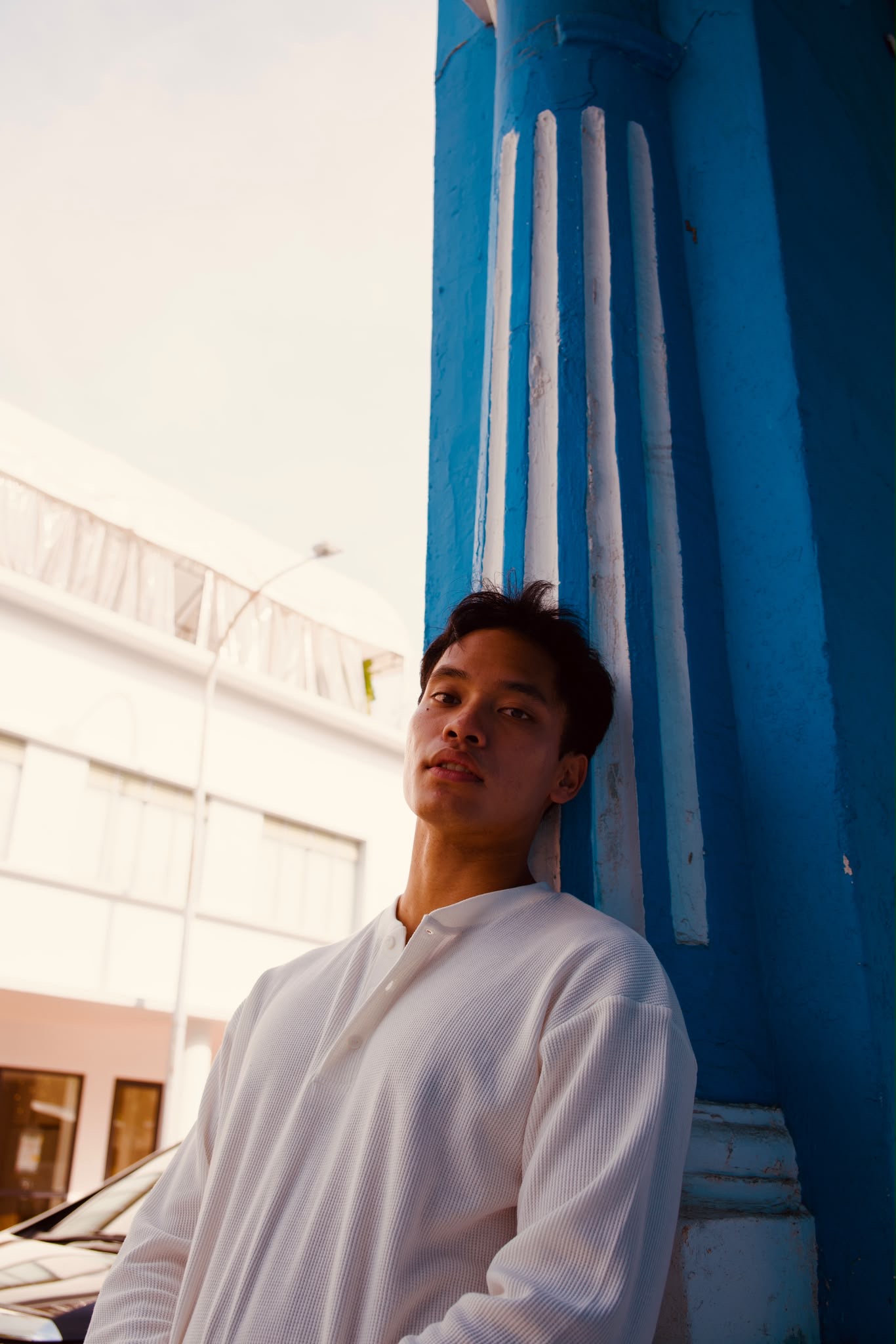
Photography Courtesy of carlixe & UAG Entertainment

Piano first, production second, and an alias taken from a middle name: carlixe’s route into music started as a private outlet and became a way of reaching other people.

How would you describe your sound to someone hearing you for the first time?
“Sonically intriguing, often reminiscent of the 2016 sound but with interesting lyrical and production flavours or twists.”
Your music merges melodic synth work, atmospheric vocals and modern production. How did you arrive at that signature style?
“I realised I didn’t need to fit into a genre box. There were times I felt like abandoning parts of my musical inspirations for fear of becoming too musically complex to be understood or appreciated, or that audiences who had grown with me would lose interest if I moved to a different style. But I realised my eclectic taste was what made me feel like myself, and it had made my sound what it is today. I eventually found artists who share similar journeys of becoming the product of their many creative influences, so I embraced the sound I’ve developed and will continue to grow it, believing it may deliver me to exciting opportunities and experiences in the musical world.”
“I realised I didn’t need to fit into a genre box.”
— Carlixe
You move between UKG, Trap, House and Bass House as a DJ, and more introspective material as an artist. How do you decide which world a new idea belongs to?
“Fundamentally, on what I decide the thematic premise of the song to be. Production at the outset sets the tone of the world the listener sits in. Introspective singer-songwriter material that covers themes such as love, heartbreak, personal growth and existential dread is better suited to slower, acoustic backdrops with instrumentation like keys and guitar. It allows more focus on the lyrical content and how it is sung.
 
A genre such as Bass House focuses more on the sonic character of the track than the lyrics. In that case I tend to move to more fun, trivial themes, perhaps young love and romance, or party and nightlife culture.”
Tell us about your Spotify Singapore editorial placements for “Breathing, Just Fine” and “Always at a Crossing.” What did those songs mean to you?
“Those songs sit in the more introspective camp of my music, because of the way they were written and the sound I went for. ‘Breathing, Just Fine’ was in a way a debut of me finally using guitar in my music, and it was a heartfelt collaboration with a friend who shared very similar sentiments and experiences of heartbreak.
 
‘Always at a Crossing’ touched on the personal growth I was experiencing as a teenager moving into the later part of my teens and young adult life. I wrote it to convey the anxiety of navigating life and potentially losing people along the way because of change.
 
I believe these songs got the recognition I had hoped for because they showed more lyrical depth of who I was as a person and artist, and sonically and compositionally I felt they were stronger than the rest of my discography.”
e08cadb8 5cc1 4212 9d50 be9ba368979a
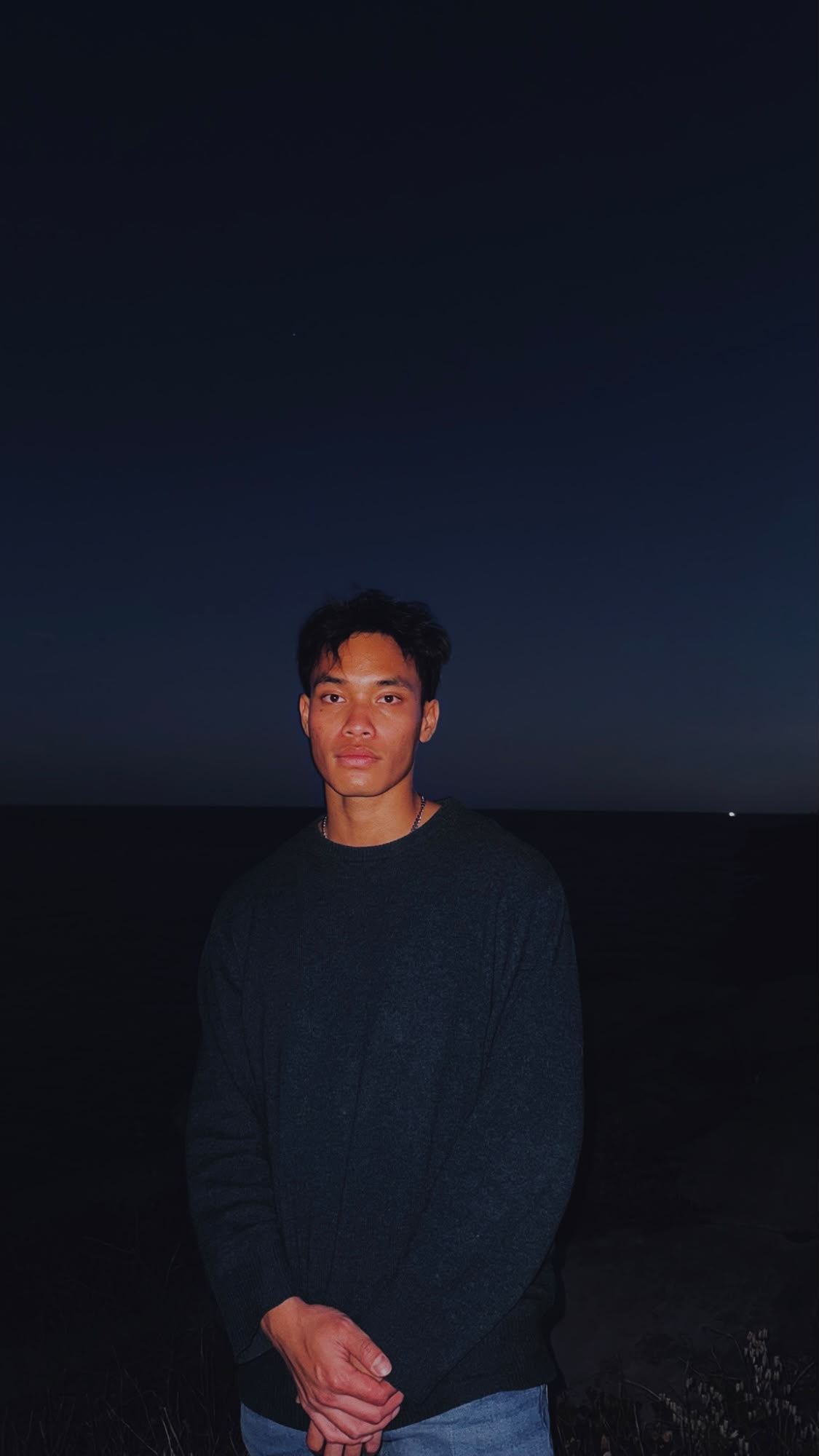
Photography Courtesy of carlixe & UAG Entertainment
You’ve collaborated with artists like JVF and TOSKA, and spent time with producer TNT. What have those experiences taught you?
“JVF and TOSKA are mainly DJ/producers who work closely with EDM, and the collaborations taught me various songwriting styles and vocal arrangements better suited to the EDM scene. A big takeaway was maximising simplicity in the songwriting. EDM tracks on radio typically carry short, catchy phrases and lyrics to let the sonic parts of production shine.
 
I met TNT at a producer camp, but we did not have a direct collaboration. It was a masterclass on production, and most of my time in the room was spent observing his creative process making beats for hip-hop. I learnt the value of strong sound selection in the early stages of producing or writing a song, which eases you into the rest of the creative process.”
As a 2026 JBL YourShot Finalist mentored by ROBUSTT, what has that experience been like?
“Truly engaging. Learning the intricacies of DJ equipment from a professional EDM DJ/producer both affirmed and extended my knowledge of music production. It helped me think differently about what makes a good setlist and how to engage an audience.”
“Hundreds of vocal recordings and takes just to get the right one in the end.”
— Carlixe
What does a typical writing or studio session look like for you?
“Many creative blocks when it comes to crafting melody and lyrics. Hundreds of vocal recordings and takes just to get the right one in the end. Often being upset with the early drafts of a song, which I find absolutely necessary in finding ways to improve the arc of the song before its final form.”
What’s the biggest difference between preparing for a DJ set and preparing to release a song as an artist?
“Preparing a DJ set is much easier. A practice I picked up from YourShot was curating listening playlists as often as you can, whenever you’re casually listening to music, so that during preparation you more or less remove or substitute songs before the final setlist.
 
Preparing a song release is more tedious, considering marketing, audience engagement and reach, as well as pitching for editorial playlist placements that bridge the music to new audiences of similar taste. These factors determine the performance outcome of your music. As an artist, I also centre my creative identity around a visual aesthetic for my music and listeners, so I take pride in creating, producing and editing promotional videos, music videos and cover art that align with my vision for the song, or the visual world I’ve cultivated on my socials and music platforms.”

Connect with Carlixe

Read More