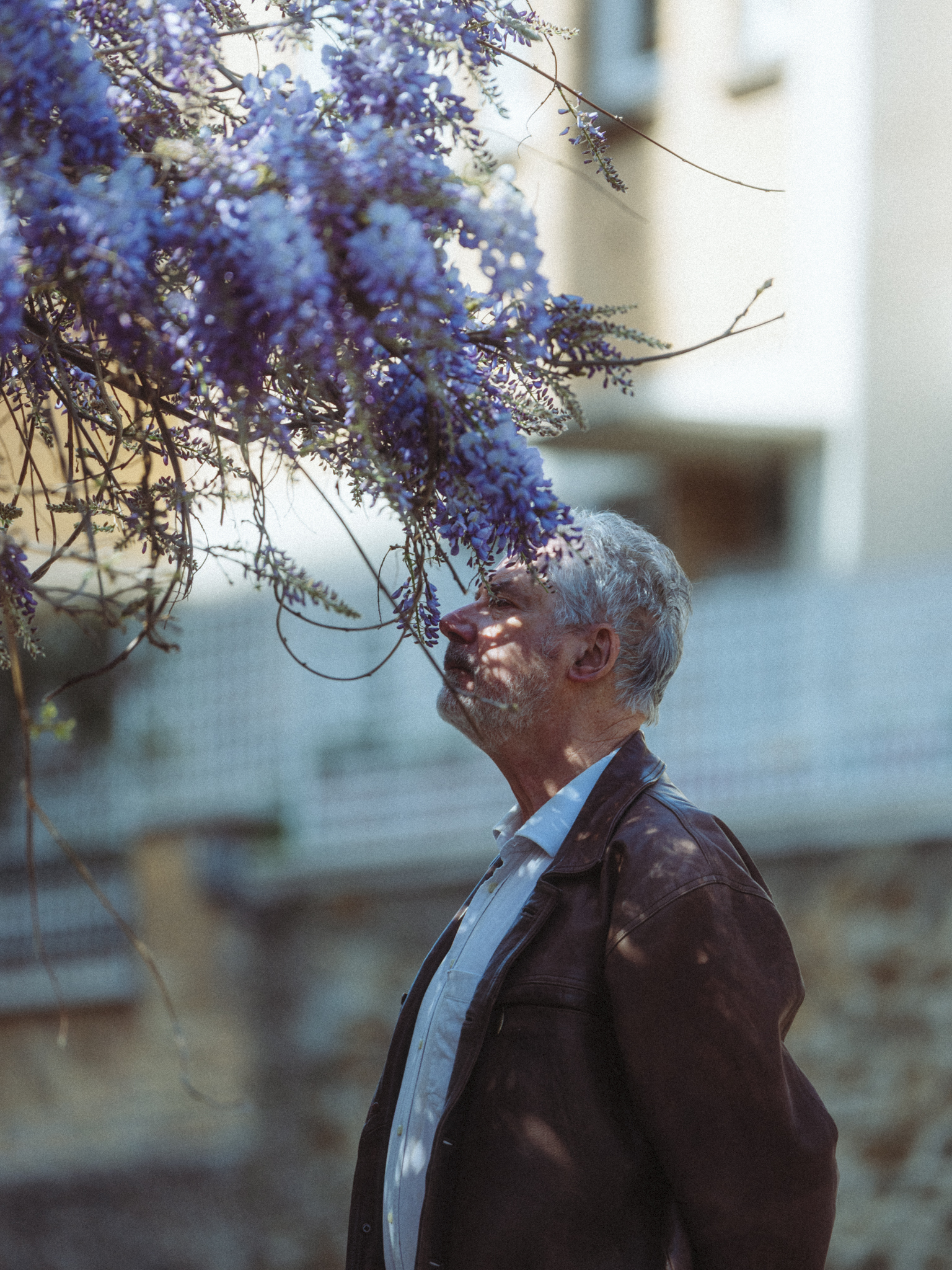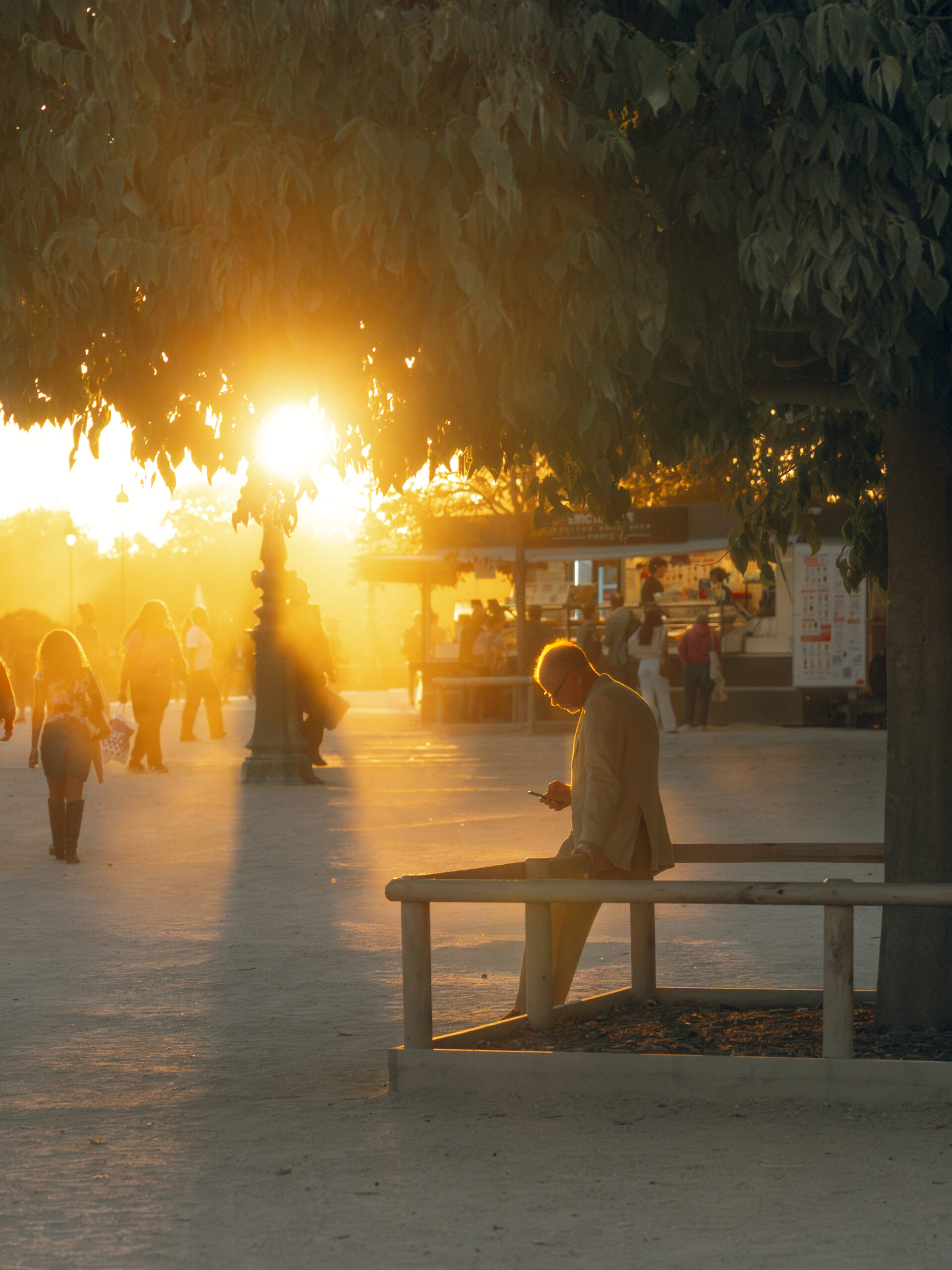
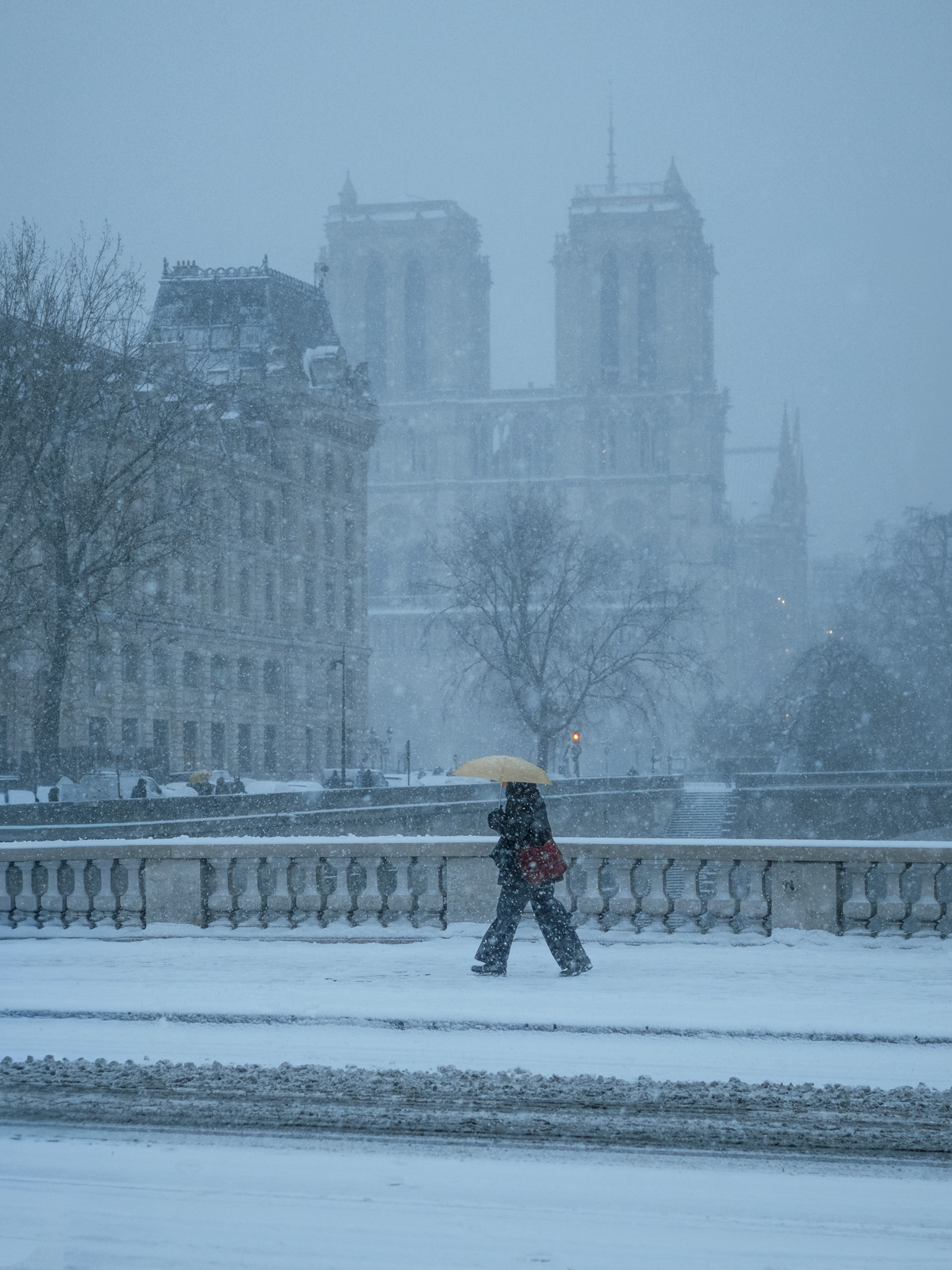
There is a photograph Andrei Kostromskikh took of Notre-Dame during a snowfall in Paris. Three days of it, unusual for the city, that he still thinks about. He’d dreamed of shooting Paris in snow for years, and when it finally arrived in his first year living there, he ran through the streets “like a kid,” camera in hand. It’s the kind of image that defines his work, patient, observational, and slightly disbelieving of its own luck.
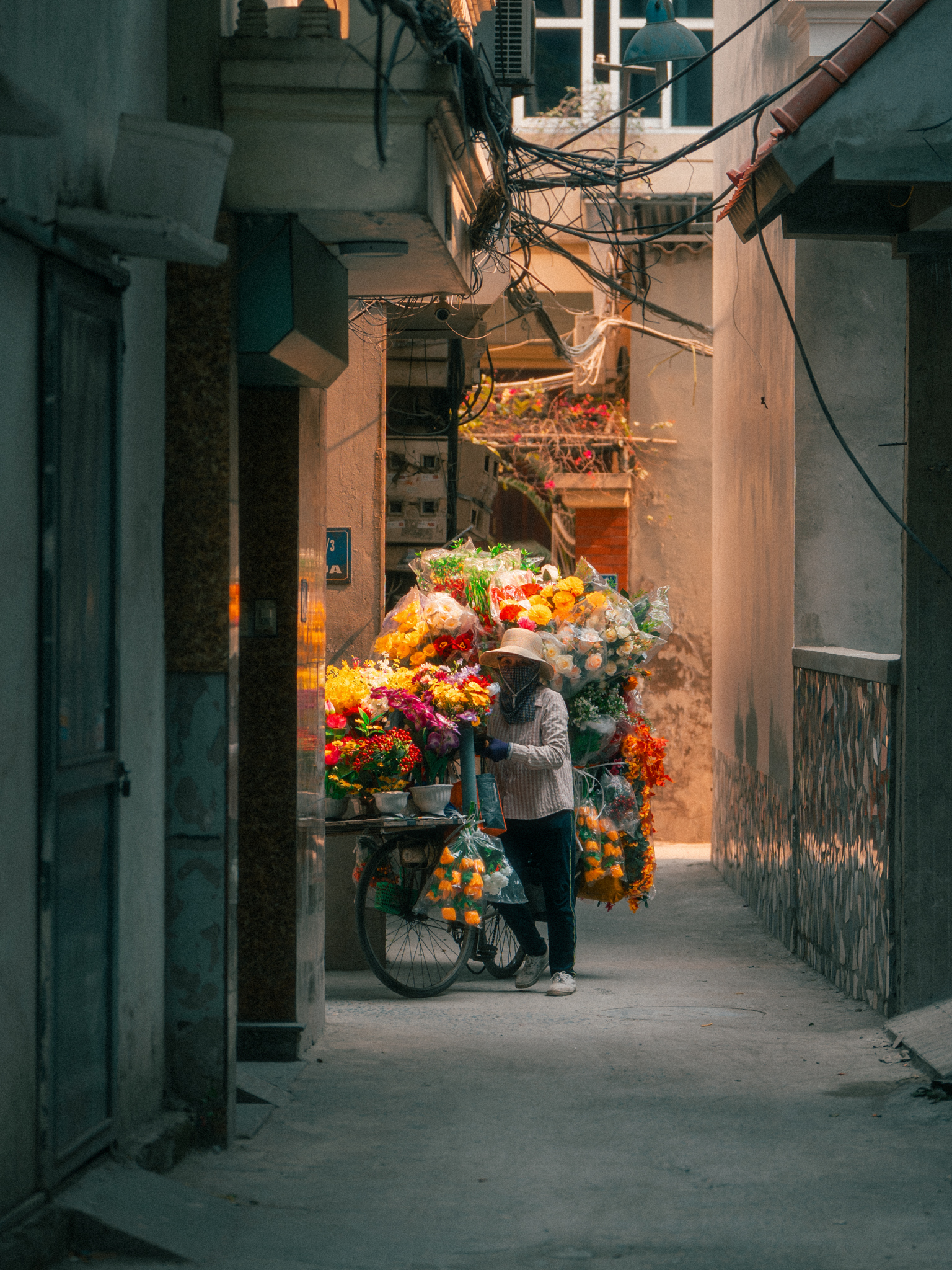
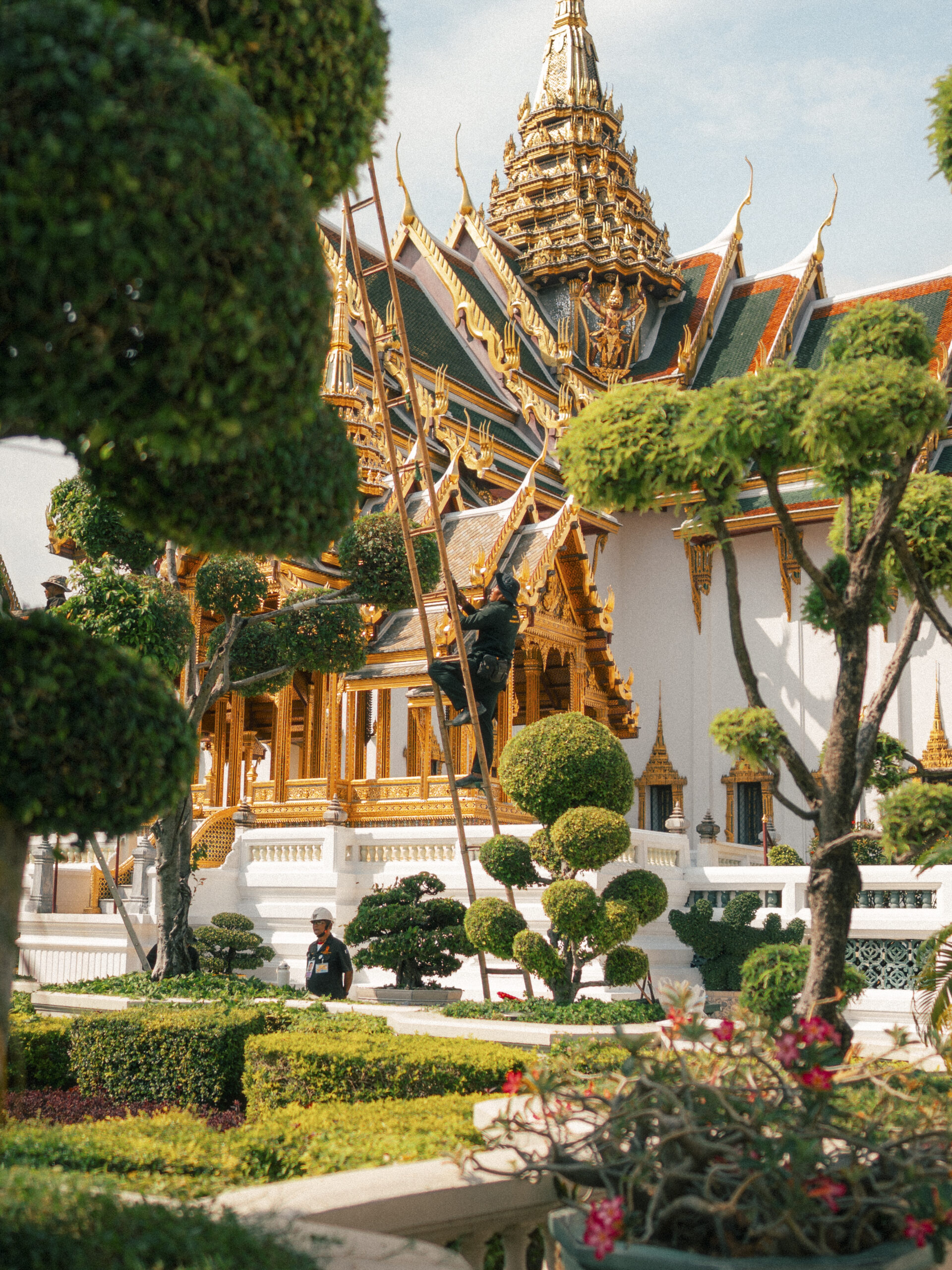
Andrei known to his 400,000-plus followers as Kosnio has spent the past decade building a body of work out of exactly this instinct, finding the story sitting quietly inside an ordinary moment. Born in Russia and now settled in Paris after years split between Turkey and Thailand, he has photographed the flower sellers of Hanoi, the golden light of the Bangkok Grand Palace, and the barely controlled chaos of a city he still isn’t sure he’s fully figured out.
We spoke to him about the accident of becoming a photographer, the difference between shooting for stillness and shooting for movement, and why he’d rather build a photobook than a brand.
An Accidental Vocation
Andrei didn’t arrive at photography through a single defining moment, he arrived at it slowly, almost without noticing. As a child in Russia, cameras weren’t something every family owned, and it wasn’t until the end of school that he got one of his own. Everything after that happened gradually, layered under other pursuits, until photography and filmmaking simply took up more and more space.
The turning point, if there was one, came after 2015, when he began travelling extensively and started shooting with real intention. Years in Turkey and Thailand followed each place, he says, developing him differently as a photographer, teaching him to notice what’s similar between people and what sets them apart.
Even the name Kosnio has that same unfussy origin story, not a brand exercise, but a practical solution to a long Russian surname that never worked as a username. He took “Kos” from Kostromskikh, added an ending that sounded fun and memorable, and that was that.
© Andrei Kostromskikh / Kosnio
Chasing Light, Not Landmarks
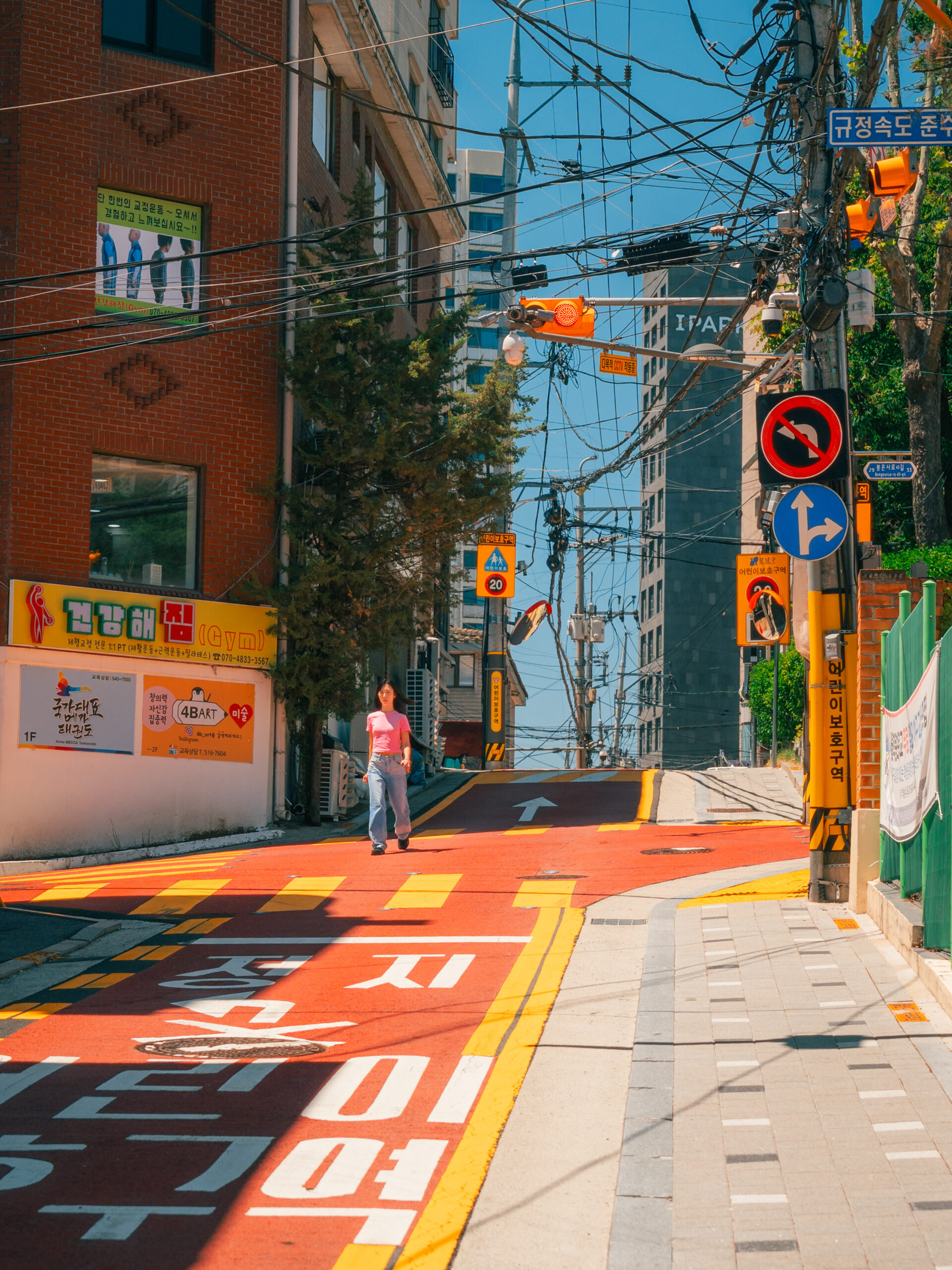
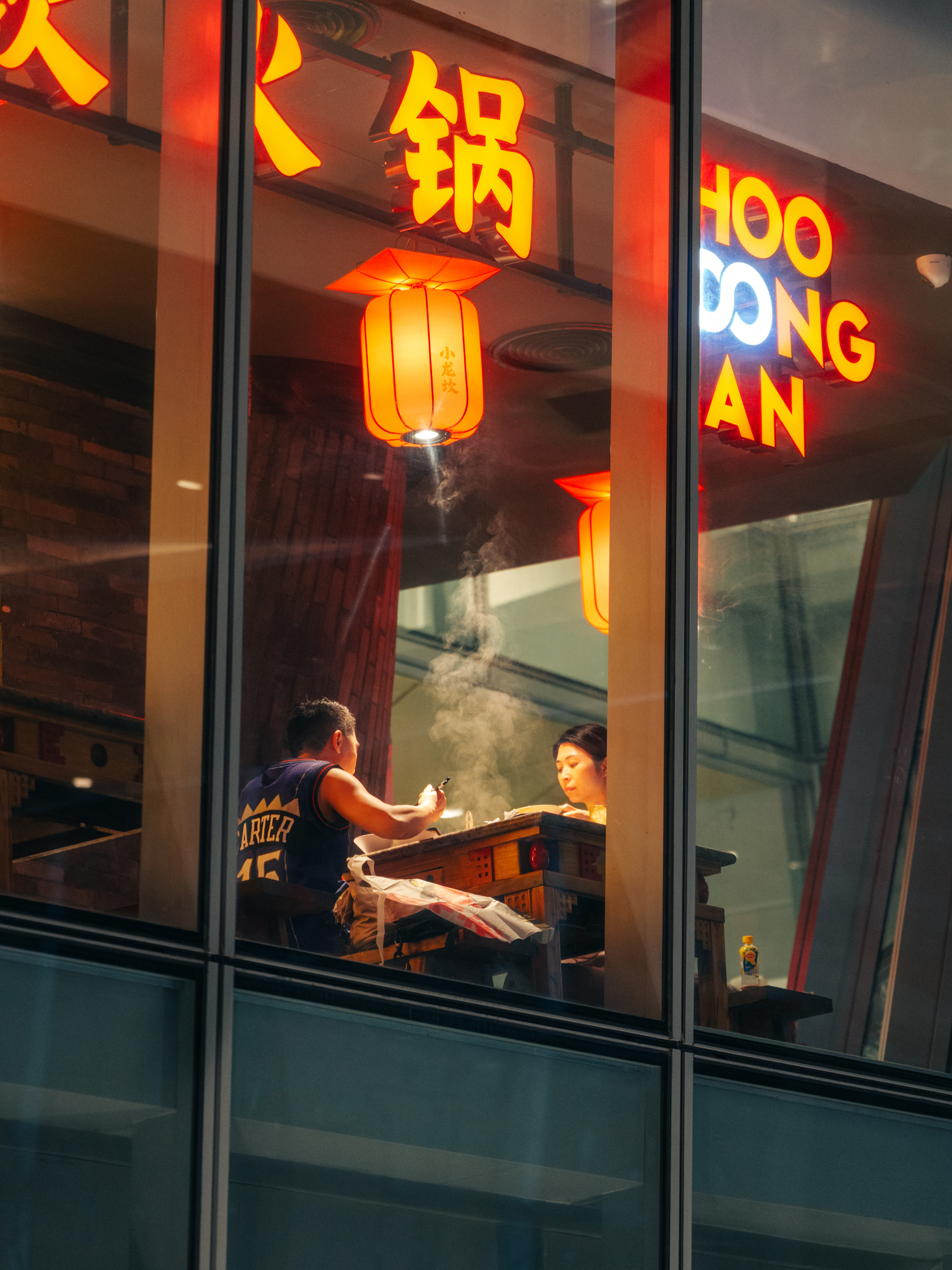
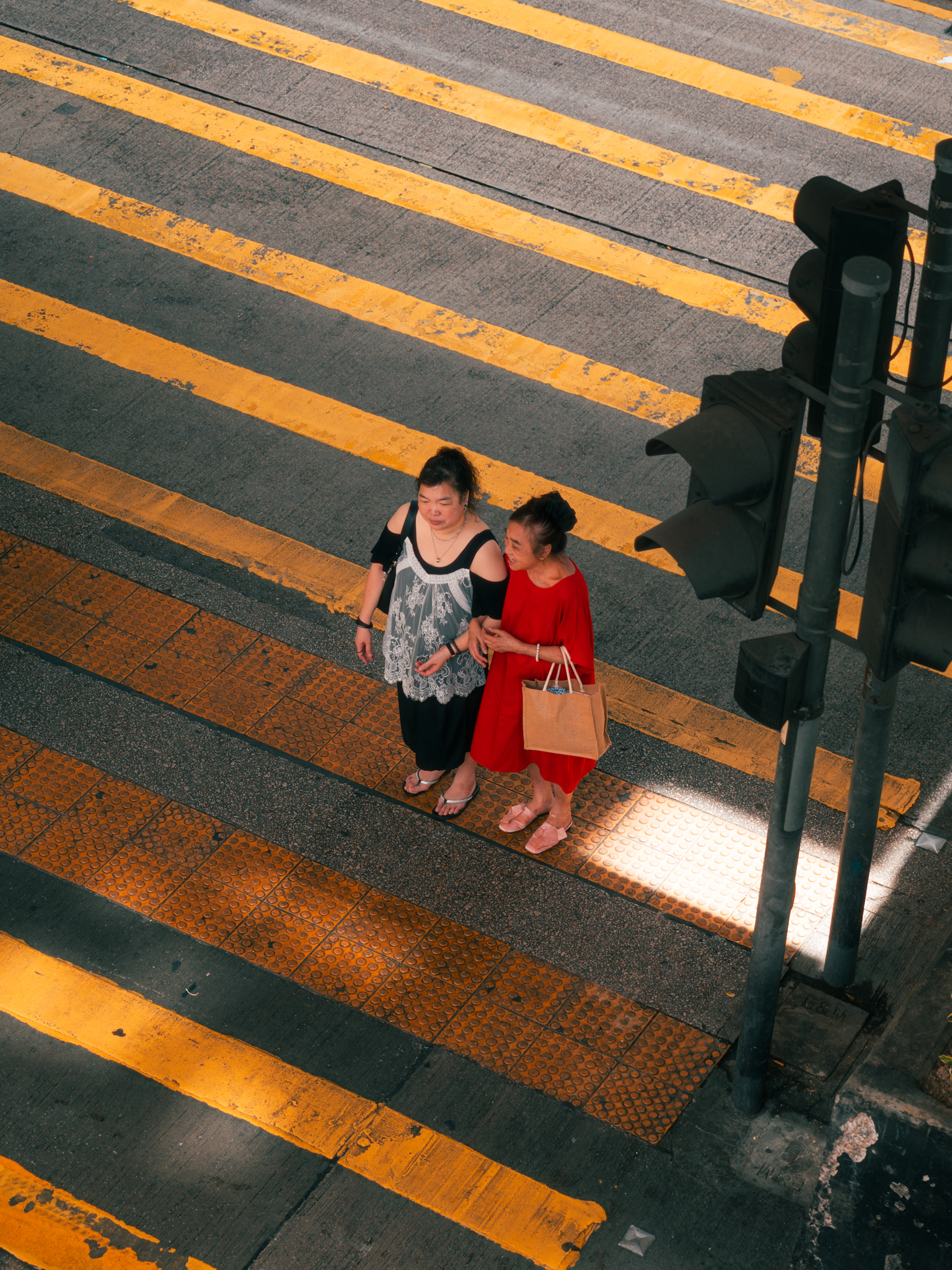
Ask Andrei what he’s looking for when he walks into a new city, and the answer isn’t buildings or skylines, it’s light, and what’s happening underneath it. He rarely photographs architecture or landscape in isolation. he’s after the small human stories folded into a place, the gestures and interactions that only become visible once the light does something interesting.
His method for a new city is a balance of preparation and surrender a shortlist of locations he wants to see, and then long, unplanned walks between them, usually on foot, usually where the tourists thin out. Return visits get even less planning. By the second trip, he’s happy to wander with no destination at all, trusting that the real material is in the parts of the city he wouldn’t have found the first time around.
Photography and filmmaking, he says, pull at him in different ways, close enough to feel like one instinct, but demanding different kinds of attention when the camera is actually up. With stills, it’s the precision of composition with video, it’s less about the perfect frame and more about balance, movement, and pulling the viewer into the atmosphere of a place.
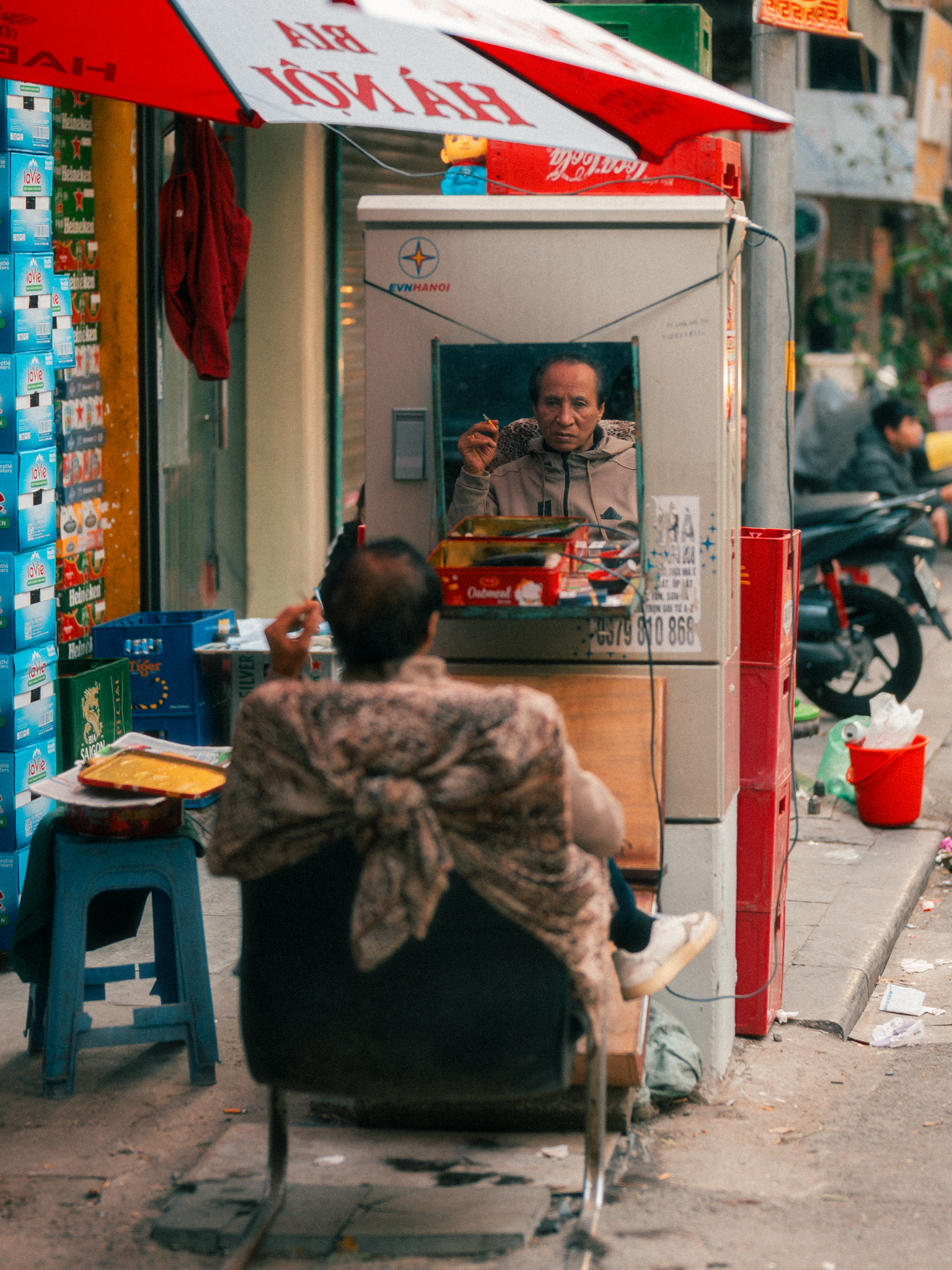
No city tested that instinct more than Hanoi. Andrei describes it as one of the hardest places he’s ever shot, motorbikes, signage, and people constantly crossing the frame, resisting every attempt to compose it the way he normally would.
A Rhythm Built for Two
Andrei travels frequently with his wife, also a photographer, and describes the arrangement less as compromise and more as synergy, two people moving through a city at the same pace, neither rushing the other, each understanding exactly why the other might stop shooting for twenty minutes in one spot.
“I don’t actually feel a huge difference between travelling solo and travelling with her when it comes to photography. I still have the same freedom to explore and shoot at my own pace, except I get to share the whole experience with someone who sees and understands it in a very similar way.”
A shooting day, when the light cooperates, starts before sunrise, the only reliable way to photograph famous, heavily touristed places without the crowds. A break follows through the flattest hours of midday light, then a return to the streets from mid-afternoon until well into the night. It costs them sleep, he admits, but it’s rarely not worth it.
What’s harder than the travel itself, he says, is the constant re-founding of a life, visas, paperwork, new apartments, starting over each time a move happens. It’s part of why he and his wife are hoping to properly settle in France, not to stop travelling, but to finally have a fixed point to travel from.
The list of places still waiting for him includes England, China, and persistently Nepal, which he suspects holds the kind of stories he hasn’t told yet. Japan, long at the top of that list, was crossed off last year.
Beyond the Frame
The next chapter for Kosnio looks less like more travel content and more like a deliberate expansion, longer-form video for YouTube, a personal set of LUTs built from years of developing his own color language, and further out narrative filmmaking with an actual script and cast, rather than footage found on the street.
Notably absent from his five-year vision is any talk of scale for its own sake. Andrei is emphatic that Kosnio isn’t a company he’s trying to grow as large as possible. It’s his creative name first, and everything else, including the presets and tools he shares, exists as an extension of the work rather than a separate product line.
Education is the piece he keeps returning to workshops and masterclasses that go beyond technique into how he actually sees and builds a story, something he says people have been asking him about for years and that he now feels ready to offer.
Beyond Instagram and his website, Andrei is currently focused on developing longer-form video for YouTube and his own line of video LUTs, alongside the presets he’s shared for years. He’s also exploring education through workshops and masterclasses, and has a Bangkok photobook in early development. He remains open to brand collaborations where the project is a genuine fit for his visual style.
One word to describe your photography style?
Observational
The city that surprised you the most?
Camera bag essential you never travel without?
A photographer or filmmaker whose eye you admire?
The last photo that genuinely stopped you in your tracks?