
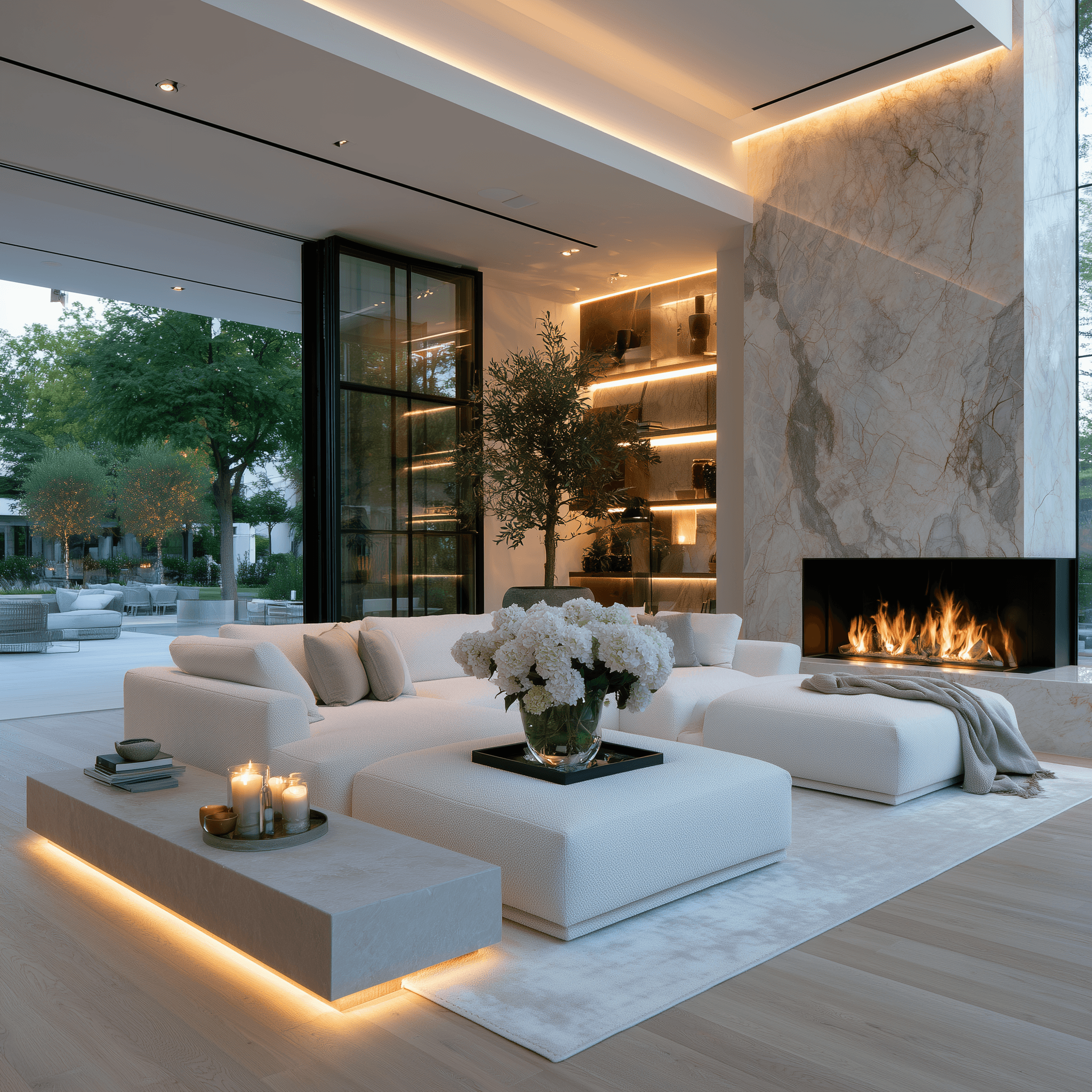
Sandra Ohlendorf is doing something the design industry has not quite seen before building a studio that sits at the intersection of AI, interior architecture, and luxury real estate, and doing so with a creative rigour that makes the technology invisible.
You describe lifetime as sitting at the intersection of AI, interior design, architecture, and luxury real estate. When did you first realise this intersection existed and that no one was occupying it in quite the way you envisioned?
The idea for lifetime emerged from a simple observation: AI was transforming how we create and visualise spaces, yet the worlds of interior design, architecture, luxury real estate, and technology were still operating largely in isolation. Coming from a design background, I saw how powerful AI could become not as a replacement for creativity, but as a tool that could elevate design communication, accelerate decision-making, and make visionary concepts tangible long before construction begins.
What surprised me was that no one was bringing these disciplines together into a single ecosystem. AI companies were focused on technology. Design studios were focused on projects. Real estate platforms were focused on transactions. The opportunity was to create something that connected all three worlds.
My vision was never just to create beautiful AI-generated imagery. It was to build a platform where innovation, design excellence, architecture, real estate, and curated brands could coexist and create value for one another. Today, lifetime is evolving into exactly that: a destination where future-forward design meets technology, luxury living, and global collaboration. We are not simply responding to the future of the industry we are helping shape it.
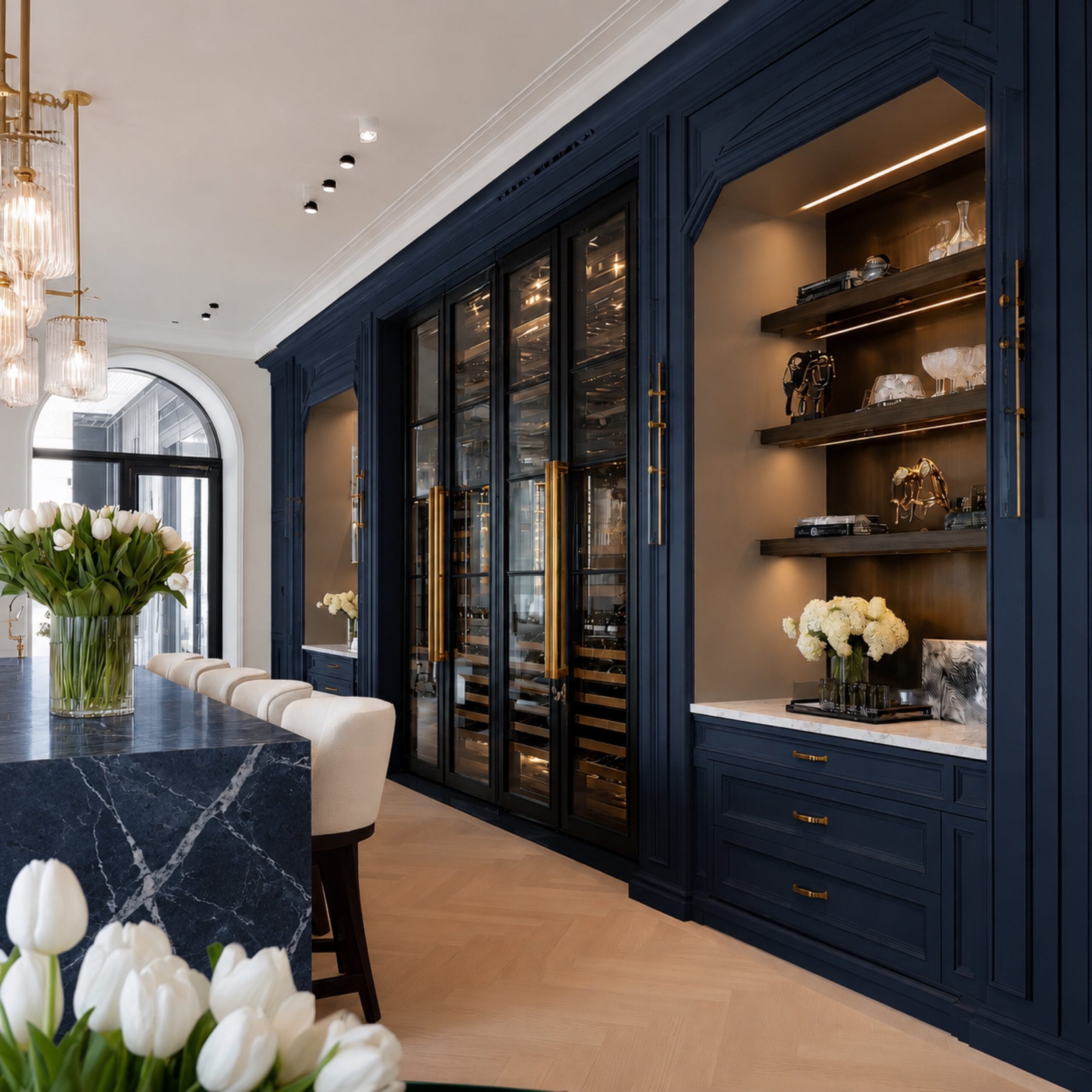
There is a common misconception that AI in design means efficiency at the expense of soul. Your work clearly argues the opposite. How do you use AI as a tool for creative depth rather than creative reduction?
I believe the biggest misconception about AI is that it replaces creativity. In my experience, the opposite is true. AI is not a substitute for ideas, taste, or design expertise it is an amplifier of them. Every meaningful design begins with a vision, a concept, and a deep understanding of how people experience space. AI does not create that vision. What it does is help bring ideas to life, explore new possibilities, and visualise concepts with a speed and flexibility that was previously impossible.
In my creative process, I do not use AI as a shortcut. I use it as a creative partner. It allows me to experiment with different design directions, materials, atmospheres, and spatial narratives while maintaining complete control over the creative intent. Rather than reducing the role of the designer, it expands what is creatively possible.
What clients often discover is that AI enables a much deeper level of communication. Instead of interpreting floor plans, sketches, or mood boards, they can experience a space before it is built. They can feel the atmosphere, understand the vision, and engage with the design on an emotional level from the very beginning. Ultimately, AI does not create the soul of a project. The soul comes from human creativity, experience, intuition, and vision. AI simply gives us an extraordinarily powerful way to express that vision and bring it to life.
AI does not create the soul of a project. The soul comes from human creativity, experience, intuition, and vision. AI simply gives us an extraordinarily powerful way to express that vision and bring it to life.
You personally develop every creative direction colour palettes, spatial moods, material compositions, lighting atmospheres before a single AI visualisation is generated. Can you walk us through that process?
For me, the process always begins with understanding the story behind the project. Before discussing aesthetics, materials, or technology, I want to understand how the client wants people to feel within the space. Whether it is a private residence, a hospitality concept, a commercial environment, or a luxury real estate development, the emotional experience is always the starting point.
The first conversations are focused on vision rather than design details. I ask questions about lifestyle, brand identity, target audience, cultural influences, and long-term goals. I want to understand not only what the client wants to build, but also what they want the space to communicate.
From there, I begin developing the creative direction. This includes defining the overall design narrative, colour palettes, material compositions, lighting atmospheres, textures, and spatial moods. I often create multiple conceptual directions to explore different interpretations of the same vision.
Only after this strategic and creative foundation is established do I move into the AI visualisation phase. Every image is guided by carefully developed creative direction, detailed prompting, and continuous refinement. The technology is powerful, but the outcome is always driven by human design decisions. The final concept is a complete visual strategy that allows clients to experience the project before it exists.
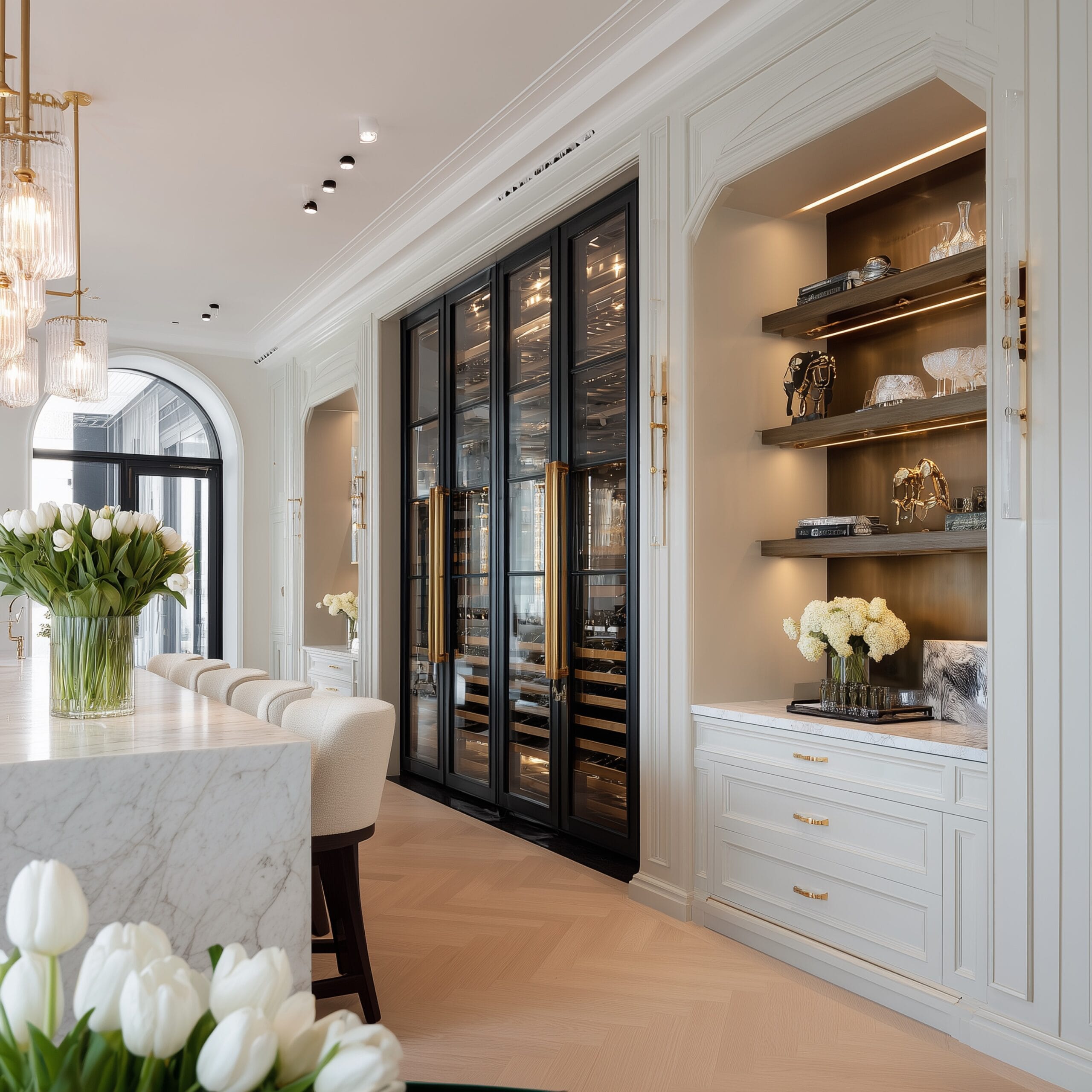
Your AI visualisations have a cinematic quality that goes far beyond standard architectural renders. What are you aiming for emotionally when you compose a space?
For me, a visualisation is not simply about showing what a space looks like. It is about communicating how a space feels. The most powerful images go beyond realism and create an emotional connection that allows people to imagine themselves within the environment.
When I compose a space, I think almost like a film director. Every element from light and perspective to proportion, materiality, and atmosphere is carefully considered to evoke a specific emotion. I often ask myself: what story is this space telling? What should someone feel within the first few seconds of seeing the image? A sense of calm, inspiration, exclusivity, comfort, wonder, or perhaps aspiration?
My goal is to create visualisations that feel more like scenes from a cinematic production or the pages of a leading international design publication than traditional architectural renderings. I know an image has achieved its purpose when the technology disappears into the background and the emotional response takes over. When people stop asking how the image was created and start talking about the space itself.
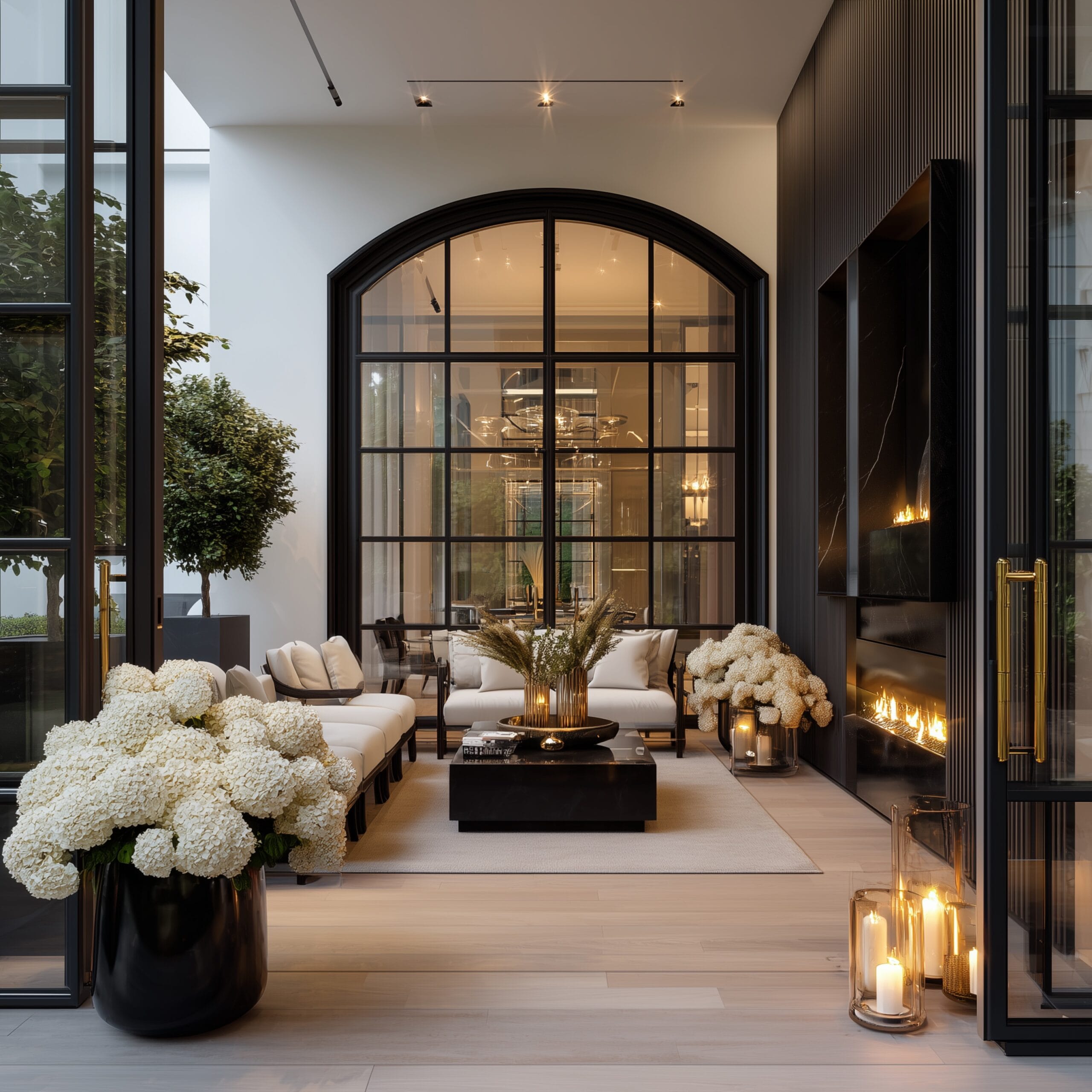
You work with clients across the USA, UAE, Qatar, Kuwait, Australia, Germany, Switzerland, England, Spain, Egypt, Turkey, Iran, France, and the Netherlands. What does that global reach tell you about the universal appetite for this kind of design?
Working across 14 countries has not changed my design language. It has confirmed that it is universally understood. I consistently work within a clearly defined aesthetic and conceptual framework: the lifetime Sandra Ohlendorf design language. This language is not shaped by regional trends or cultural shifts, but by a deeper focus on atmosphere, light, materiality, and emotional spatial experience.
What changes from project to project is not the design language itself, but the context in which it is applied. Every project comes with different architectural conditions, functional requirements, and cultural environments. However, the creative identity remains consistent throughout. Clients do not come to me looking for adaptation or stylistic variation. They come because they want a clear, recognisable, and highly curated design world.
In other words, the world does not change my design language. It only reveals how strong and consistent it truly is.
Your work is described as embodying timeless European refinement with a cinematic, modern edge. What does ‘timeless’ mean to you in a design context especially when the technology you use is constantly evolving?
Timelessness in design has nothing to do with resisting change. For me, it is about creating clarity, balance, and emotional resonance that outlasts trends, tools, and even the technologies used to produce the work. Technology will always evolve. AI, rendering systems, and visual production methods will continue to change at a very high speed. But timeless design is not defined by the tools. It is defined by decisions grounded in proportion, material honesty, light, and emotional coherence.
When I think of timeless European refinement, I think of restraint rather than excess. Of spatial compositions that feel calm, intentional, and deeply considered. There is a certain discipline in editing a space down to what is essential, while still allowing it to feel rich in atmosphere and detail.
What makes something timeless is not that it looks old or new, but that it continues to feel relevant even when the context around it changes. A timeless space does not rely on visual trends to feel current. It relies on proportion, light, and material relationships that feel inherently right. For me, timelessness is not a style. It is a level of discipline in the design process.
lifetime handles the creative and visual phase, then hands over to local architects and interior designers for technical realisation. What problem were you solving when you designed this workflow?
The collaboration model behind lifetime was designed to solve a very specific disconnect in the industry: the gap between creative vision and technical execution. In traditional workflows, the creative phase and the realisation phase are often fragmented. A strong design vision is developed, but then it gets diluted, interpreted, or constrained once it enters technical development.
With lifetime, the creative and visual phase is fully defined first. This includes the spatial narrative, atmosphere, material direction, lighting concept, and emotional intent of the project. It is a complete design vision, not just an aesthetic reference. Once this foundation is established, the project is handed to local architects, interior designers, and technical partners who bring in the regulatory knowledge, construction expertise, and on-site execution capabilities. Their role is not to reinterpret the vision, but to realise it with precision.
For the client experience, this changes everything. Instead of navigating between abstract sketches, technical drawings, and fragmented interpretations, clients receive a fully formed vision first. They can see and feel the project before any technical constraints enter the conversation. Ultimately, what this model changes is the hierarchy of the process. It puts vision first, without removing the expertise required to build it.
Clients never experience an “AI aesthetic.” They experience a carefully developed design vision with a strong creative identity. The technology itself stays in the background.
Alongside your client work you have created a Beginners Guide to AI for Interior and Architecture Design. What made you want to share the methodology rather than keep it proprietary?
The decision came from a simple observation: the industry is changing faster than the education around it. When I started working with AI in a serious design context, there was very little structured understanding of how to use it as a true creative tool rather than just a visual generator. Most of the knowledge was fragmented, experimental, or overly technical.
Sharing the methodology was therefore not about giving away a competitive advantage. It was about establishing a foundation for how AI can be used with intention, creative discipline, and design thinking. For me, the real value is not in the tools themselves, because those will continue to evolve rapidly. The value lies in the way you think, structure a concept, and translate an idea into a coherent spatial vision.
Ultimately, my intention is to bridge the gap between technology and design thinking. If AI is going to shape the future of architecture and interior design, then it should be used with clarity, structure, and responsibility. The guide is my way of contributing to that shift.
For many in the luxury space, the word ‘AI’ still carries a sense of tension as if it somehow conflicts with the idea of the bespoke and the handcrafted. How do you reframe that conversation?
In the luxury space, there is often a natural hesitation toward AI because luxury has traditionally been associated with craftsmanship, time, and human effort. Many people therefore assume that AI somehow reduces value. At lifetime, the opposite is true.
For me, AI is not a replacement for design or craftsmanship, but a tool within a clearly structured creative process. The key is the sequence. At lifetime, we always begin with a fully developed design vision first. This includes atmosphere, materials, lighting, and the emotional feeling of a space. Only then is AI introduced to quickly visualise ideas, explore variations, and refine the creative direction. Decisions become clearer much faster because different design directions can be seen, compared, and evaluated immediately. This does not reduce quality. It increases precision.
Once clients understand this process, their perception usually shifts quickly. They realise that AI is not in conflict with luxury, but actually strengthens the creative phase before craftsmanship begins. This creates a new definition of luxury: not something simply defined by time, but something defined by clarity, intention, and precision in design.
You are based in a small German city but serve clients on six continents. In a world that often assumes creative authority belongs to major capitals, how has that worked for you?
Working from a smaller German city while operating globally has never been a limitation for me. On the contrary, it has become part of the strength of lifetime. Creative authority today is no longer defined by geography. It is defined by clarity of vision, the quality of execution, and the ability to communicate ideas in a way that translates across cultures.
For my work, location is not the source of authority. What matters is the design language, the conceptual depth, and the visual consistency. These elements create international relevance, regardless of where the work is produced. With AI-driven workflows and digital collaboration, the entire creative process is no longer tied to a physical place.
Working outside of major creative hubs also brings advantages. It creates more focus, less external noise, and a clearer design perspective. Today, clients do not choose a designer based on where they are based. They choose based on the strength of the vision. In this sense, location has become secondary. What matters is perspective, not place.
Where do you see lifetime in three to five years are there categories of project, types of space, or new directions in AI that you are actively moving toward?
lifetime is currently in a very intentional phase of growth. The next step is the structured expansion of this foundation the gradual development of a curated international ecosystem around the studio. This means building a carefully selected network of architects, interior designers, and specialist partners who can translate the lifetime vision into built reality across different regions. The focus is not on scale, but on precision and creative alignment.
Another key element is the integration of selected manufacturers and material partners curated collaborations with producers of furniture, lighting, surfaces, and bespoke elements that align with the aesthetic language of lifetime. A further important component is the development of an education and training layer for emerging creative talent. Through focused programmes and mentorship, young designers, architects, and creatives will be introduced to the use of AI within interior and architectural design.
The vision for the coming years is therefore not growth in a traditional sense, but refinement and consolidation: building a global ecosystem in which all participants operate within a shared design language, from the initial concept through to final execution. Interested architects, interior designers, manufacturers, or creative talents are welcome to apply directly at hello@lifetimeinterior.de
There will be interior designers and architects reading this who are curious about AI but have not yet committed to it. What would you tell them?
To designers and architects who are still hesitating, I would say above all: AI is not here to replace your creative work, but to expand it. Many people associate AI with the fear of losing control or individuality. In practice, however, it quickly becomes clear AI does not take away creative identity it reveals how clearly it is actually defined. If a design vision is not yet strong, AI cannot fix that. But if it is strong, it helps to develop it faster, communicate it more clearly, and explore different directions more efficiently.
Another common concern is that AI makes everything look similar or generic. That only happens when it is used without clear creative intent. The quality of the output always reflects the quality of the thinking behind it. Those who will succeed long term are not the ones who ignore AI, but the ones who consciously integrate it into their own design process while continuing to develop their personal creative language.
Perhaps the most important shift is not technological, but mental: AI does not take creativity away it challenges you to define and lead it more consciously. And simply put: try it, and you might be surprised by how much it transforms your creative process.
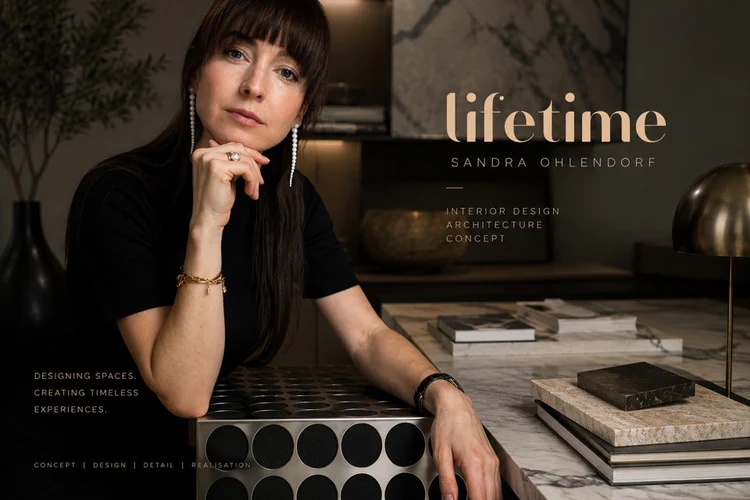
Sandra Ohlendorf
AI Interior & Architecture Design · Gütersloh, Germany · Operating worldwide across 14 countries