
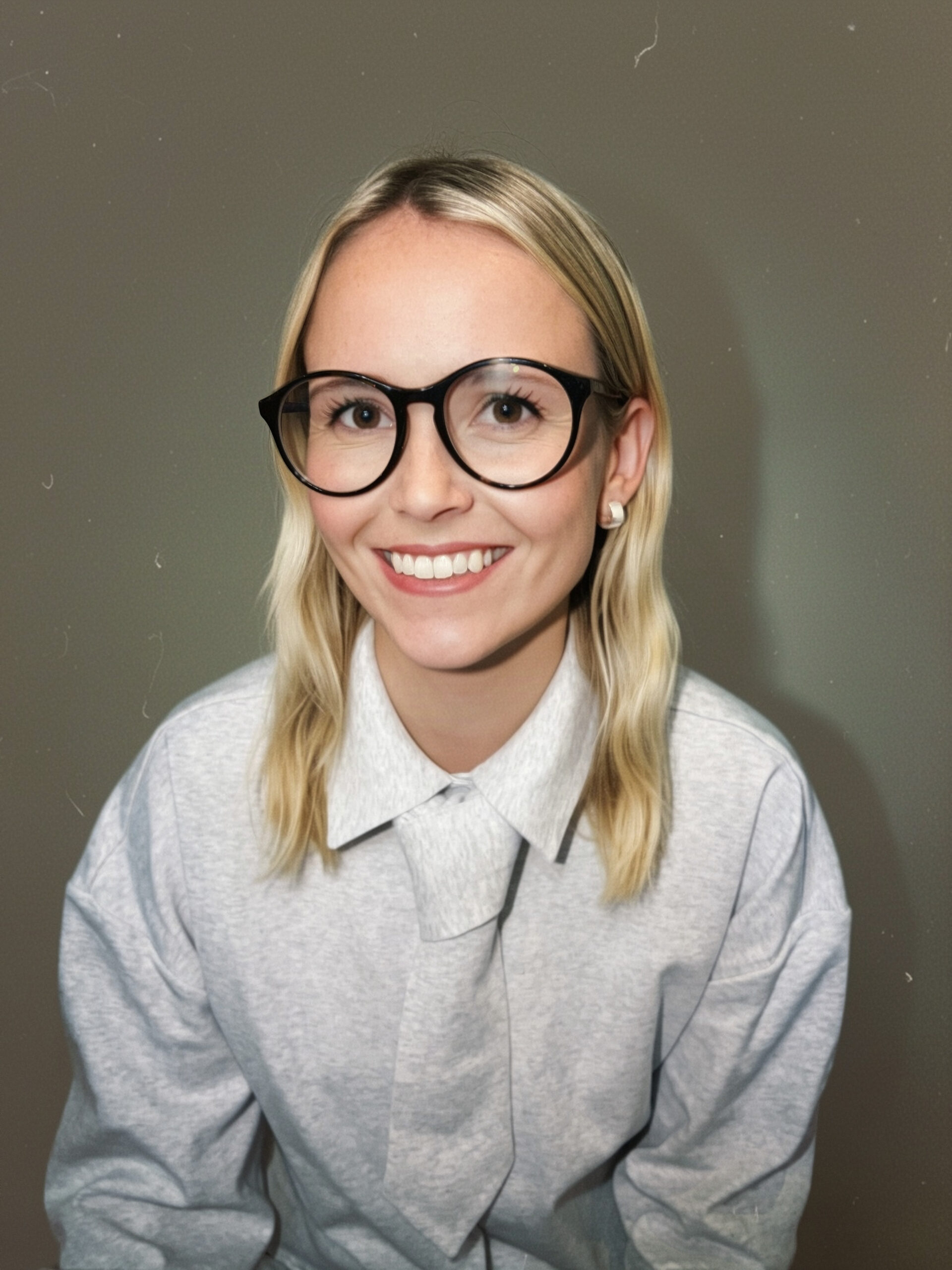
Arabella Burfitt-Dons does not see films as just entertainment. Her directorial debut, Grey Matter, won Best Feature Film and Best Drama at the National Film Awards UK 2025, on top of Best Foreign Debut in Toronto. Her second feature as director, the original music drama Finding My Voice, has just won Best Feature Film at the London Independent Film Festival 2026.
Now, through her production company W4 Films, she is preparing her debut as writer-director: Always and For Never, a British romance drama set in London and New York that treats heartbreak as something we grieve. She spoke to Voyage Immersive about the audiences who hugged her at screenings, why directing is her heart and soul, and why it is time to get serious about heartbreak.
The Debut
A Story That Had Her on the First Read
Your directorial debut Grey Matter won Best Feature Film AND Best Drama at the National Film Awards UK 2025 on top of Best Foreign Debut in Toronto. That’s an extraordinary double. But the film is really about something specific — a teenager who becomes an overnight carer for her nan with Alzheimer’s, and decides to build a ‘f**k-it list’ to make her summer unforgettable. Where did that story come from? Is there something personal in it?
I’d been looking for a screenplay for my debut film for ages, but nothing I found felt right. I was already working with writer Elizabeth Hrib on a series, and one day she sent me Grey Matter. Elizabeth was working on dementia wards in Canada during the pandemic, and she wrote the screenplay as a sort of therapy, drawing on that experience and her time in lockdown.
I wanted to tell a female story that I could really connect with and that had something to say, and it had me on the first read. It’s not just a story about a teenager caring for her grandmother after an Alzheimer’s diagnosis; it’s also the teen’s journey battling the first symptoms of depression. I found the cross-generational story really touching – the way the two of them help each other heal in a short but pivotal period of their lives, the memories they share, and what they learn that inevitably takes them on to the next chapter. I loved it, wanted to make it immediately, and started adapting it for the UK straight away.
You built Grey Matter around a subject — Alzheimer’s, teenage caregiving, the relationship between a granddaughter and a grandmother — that the British film industry has largely ignored. You then went further and partnered with BRACE Dementia Research, turning the film into something with real-world impact. At what point did you decide this wasn’t just a movie, and what has that partnership changed about how audiences receive it?
I personally don’t see films as just entertainment. A good film has something to say. It’s a philosophy on a way to live, observations on the mistakes we make, the things we need to learn. There’s a lot of responsibility that comes with making a film if you’re exploring challenging themes that real people are struggling with. You are making audiences think and feel real things. With this film I wanted to raise awareness of dementia, which now affects one in two of us, either through developing the condition or caring for someone with it. I took the project very seriously, carrying out a lot of research and speaking with medical professionals and with people living with, or supporting someone through, the conditions explored in the film.
But I’m a storyteller, and there’s a point where I want to pass the baton. It’s my job to make the audience follow the story, think about things differently and let it stay with them. The call to action comes after the credits: what then? I wanted to encourage people to leave the cinema and spend more time with their loved ones, create memories with them and cherish whatever time they have. To understand and empathise with their family, who are, most of the time, imperfect but just trying to do their best. And then to support the cause.
“I personally don’t see films as just entertainment. A good film has something to say.”
The Cast
Directing a Legend
You assembled a cast that most debut directors couldn’t dream of — Stephanie Beacham, Harry Kirton fresh from Peaky Blinders, Nigel Boyle from Line of Duty, Elizabeth Berrington from Last Night in Soho. As someone making your first feature, how did you get those conversations started? And what was the moment you realised it was actually going to happen?
It was amazing to have such incredible talent on my debut film. It was of course a risk for them, and I didn’t take the trust they put in me lightly. I did the casting myself and hoped they would respond to the project and the script. The agents were receptive, and thankfully I think everyone fell in love with the story and understood why I really wanted to make the film. There was a bigger reason behind just ‘making a movie’, and I think that helped.
I’d dreamed of having Stephanie Beacham as Peg and always had her in my mind, so I really couldn’t believe it when she agreed to come on board. Directing a legend like Stephanie was the most rewarding experience. She’s a force of nature and so serious about her work, and we had a lot of fun with all the cast and crew. She never made me feel like I was directing for the first time, and I really appreciated that.
In the Room
Cathartic Tears
Grey Matter has now played theatrically in the UK, Australia, Europe, Canada and festivals across the US. That is a genuinely impressive international footprint for an independent British film. What did the journey from the edit suite to cinemas actually look like, and what surprised you most about how audiences responded?
A theatrical release is really special, particularly for a drama like Grey Matter, because the way the audience experiences the story and the emotional journey they go on is so different. It’s not easy to get theatrical play for films today, full stop, particularly dramas, but the release was a slow-burn, word-of-mouth success, which shows there is real demand.
The audience reacted strongly in the room, with laughter and, I will say, a lot of tears. Cathartic tears. I hugged so many strangers at screenings who thanked me for the experience the film gave them and for how it helped them process what they were going through. I never expected that. I’ve had messages from strangers showing me the physical lists they’ve made of things they’re going to do with their grandparents or parents because of the film. I’ve even had people thank me because the film made them visit a loved one in a care home before they passed, which they wouldn’t otherwise have done. That is the most rewarding thing, and it’s why I direct and want to make films.
Cinemas have a huge part to play in this. The world is moving at a terrifyingly fast pace towards an even more technology-driven life, and it’s driving people apart. I want people to connect through film, whether that’s after they’ve watched it or by sharing the experience in the room. In a cinema you laugh with others and cry with others. It’s special, and that seemed to be at the heart of Grey Matter‘s success.
“In a cinema you laugh with others and cry with others. It’s special.”
W4 Films
Female-Led, in Practice
W4 Films is a female-led production company. What does ‘female-led’ actually mean in practice for how you run a company — in the room, on set, in the decisions you make?
Well, I’m female for a start! I love working with other women and having female voices drive productions. It’s not just because I’m a woman myself; it genuinely creates a unique energy and heart at the core, which I love. Sensitivity. Efficiency. Care. Consideration. I’m not saying men don’t share these qualities, but telling stories is a heartfelt, emotional and intimate thing. It’s fragile, and I like it to be that way. I like to preserve that, and I find that working with women carries that ethos through the process.
I’m proud to be a female director, producer and entrepreneur, having done it all myself, and it’s true what they say that it isn’t sometimes easy. There are great support networks and women do team up, which is partly what makes working with them so amazing, but beyond that we really do have to have each other’s backs. I want to get more female filmmakers and female stories out there.
The Second Feature
Finding My Voice
You just won Best Feature Film at the London Independent Film Festival 2026 with your sophomore feature as director, Finding My Voice, an original music drama with Michelle Ryan, Junior Andre, Nick Moran and Kierston Wareing. After the emotional weight of Grey Matter, what drew you to a music drama as your next move? What does that world let you do that Alzheimer’s and coming-of-age couldn’t?
Finding My Voice is also a coming-of-age story, but the music really opened up my storytelling playground, which was very exciting as a director. I worked with Oscar-nominated music producer Nick Southwood on the original soundtrack and was able to play with the visual language alongside the emotion that comes from the lyrics and melodies.
For me, this film, written and produced by Donna Taylor, is really about the vulnerability of young people struggling in today’s world when they’re let down by political systems, guardians and the frameworks built to protect them. When you’re a teenager you feel like everything is your own responsibility and that you’re in charge of your own decisions, but really you’re still young and vulnerable, and you can be put in situations that aren’t your fault. We need to take a wider perspective on the factors that can lead a young person into a difficult situation, and not be too quick to judge them.
On Set
One Big Team
You’ve said your philosophy is to split your time 50/50 between your actors and crew, creating a calm, trusting environment for everyone. Most directors would say something vague about collaboration. You’ve made it a number. Where did that precision come from, and what happens when the pressure of a shoot makes that 50/50 feel impossible to hold?
I always want to make sure both the crew and the cast feel valued and communicated with clearly. Everyone is as important as each other, and you need to have a relationship with everyone. It’s like a family, so I split my time equally between both. I never want anyone to feel like there are ‘sides’. Everyone needs to be clear on the goal and the vision, and feel they can talk about anything. I’d like to think my approach encourages everyone to voice their views, but also to have fun and feel part of one big team.
All the crews I’ve worked with end up staying friends and working together. I’m very particular about the people I work with and want to make sure everyone shares that spirit. Work hard. Communicate. Have fun. Care. Create!
Heart and Soul
The Truest Role
You are a writer, a director, a producer and a company founder simultaneously, and those roles are in constant competition for your time and attention. When you’re honest with yourself, which one is the truest version of you, and which one do you find yourself doing out of necessity more than joy?
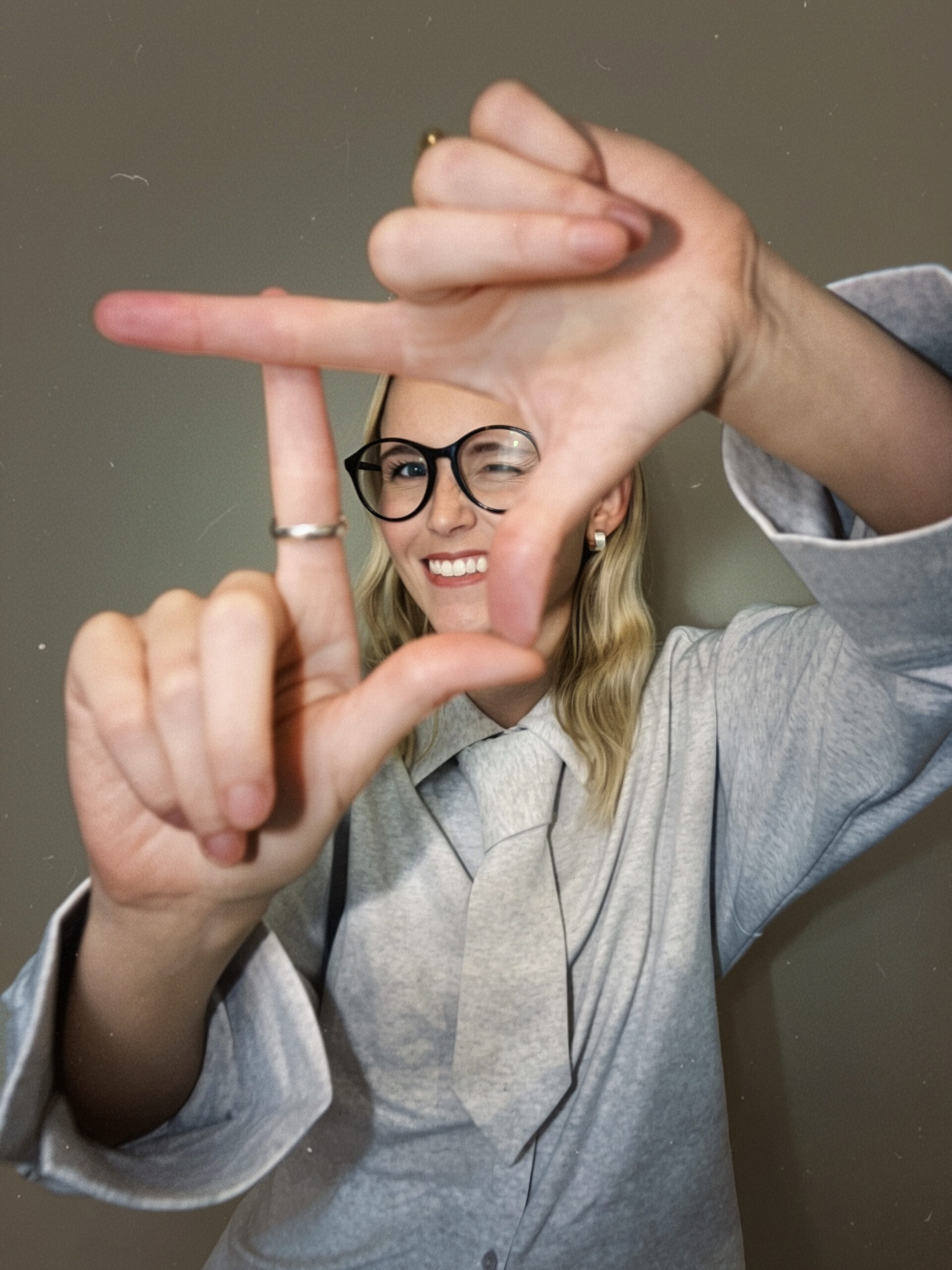
Directing is my heart and soul through and through, no question! I always went into producing with the goal of directing, and producing is the role I do out of necessity, it’s how I make sure the films I want to direct get made. I do enjoy writing, as it gets the purest and clearest version of my vision as a director onto the page, along with the story I’m trying to tell. There’s a nice, clean efficiency to that. But directing wins hands down, whether it’s someone else’s screenplay or my own material.
“Directing is my heart and soul through and through, no question!”
What’s Next
Let’s Get Serious About Heartbreak
So let’s talk about what’s next. You just announced a new British romance drama in pre-production, Always and For Never, with your production company W4 Films. What can you tell us about this new film?
Always and For Never is a romance drama, but really it’s a film about navigating heartbreak. It’s for anyone who’s had their heart broken, whether they’re going through it now or still carrying that pain somewhere from a first love who broke their heart years ago.
The story follows a young woman struggling to survive a broken heart who joins a bereavement group and pretends her ex is dead, leading her to fall for a man with a real loss of his own, until the ex she’s ‘grieving’ walks back into her life. It’s an intimate and honest look at visceral heartbreak.
Love stories are everywhere, but they’re almost always idealised versions of two people meeting and falling for each other. Hardly anyone tells the story about what happens when your heart breaks, and where you go from there. I wanted to write something that is true to real life and doesn’t shy away from drawing the parallels between grief and heartbreak.
The film is set in London and New York and goes into production next year. I’m also part way through writing the novel of Always and For Never and am currently exploring publishing options for the book.
You have produced several movies and directed two, but Always and For Never will be your debut movie as writer-director. That is a huge step in your storytelling career. What inspired you to write this script yourself? What is the message you want to convey?
When I’m looking for something cathartic, I want a film that really goes there, and with heartbreak I couldn’t find it. So I decided to write it myself.
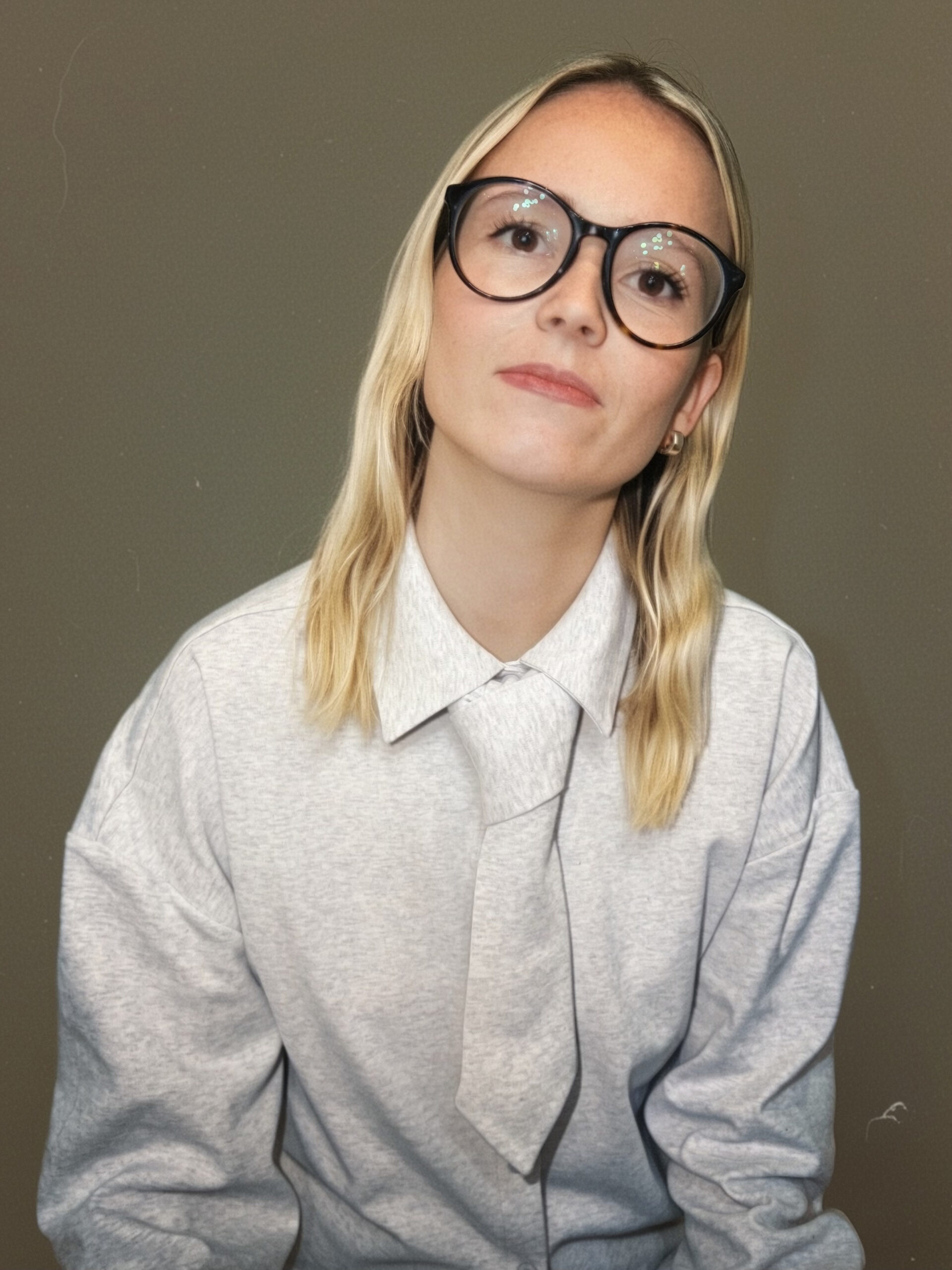
I want people to get serious about heartbreak. It often gets bundled into casual conversations about dating and break-ups, but a true broken heart can shatter you emotionally and even physically. Everyone’s experience of it is different, and that’s what makes it so nuanced. Heartbreak is a grief – there are so many forms of it. Your experience is your own, and that’s okay.
During development, many people have opened up to me about their own experiences and asked me for help. How do you let go of the pain you’re holding onto? How do you grieve someone who’s broken your heart? What is the point of going through it all? We increasingly talk about mental health conditions and read about breakthroughs in science finding new cures to rare and challenging conditions, so why aren’t we looking for a cure for a broken heart?
“Heartbreak is a grief — there are so many forms of it. Your experience is your own, and that’s okay.”