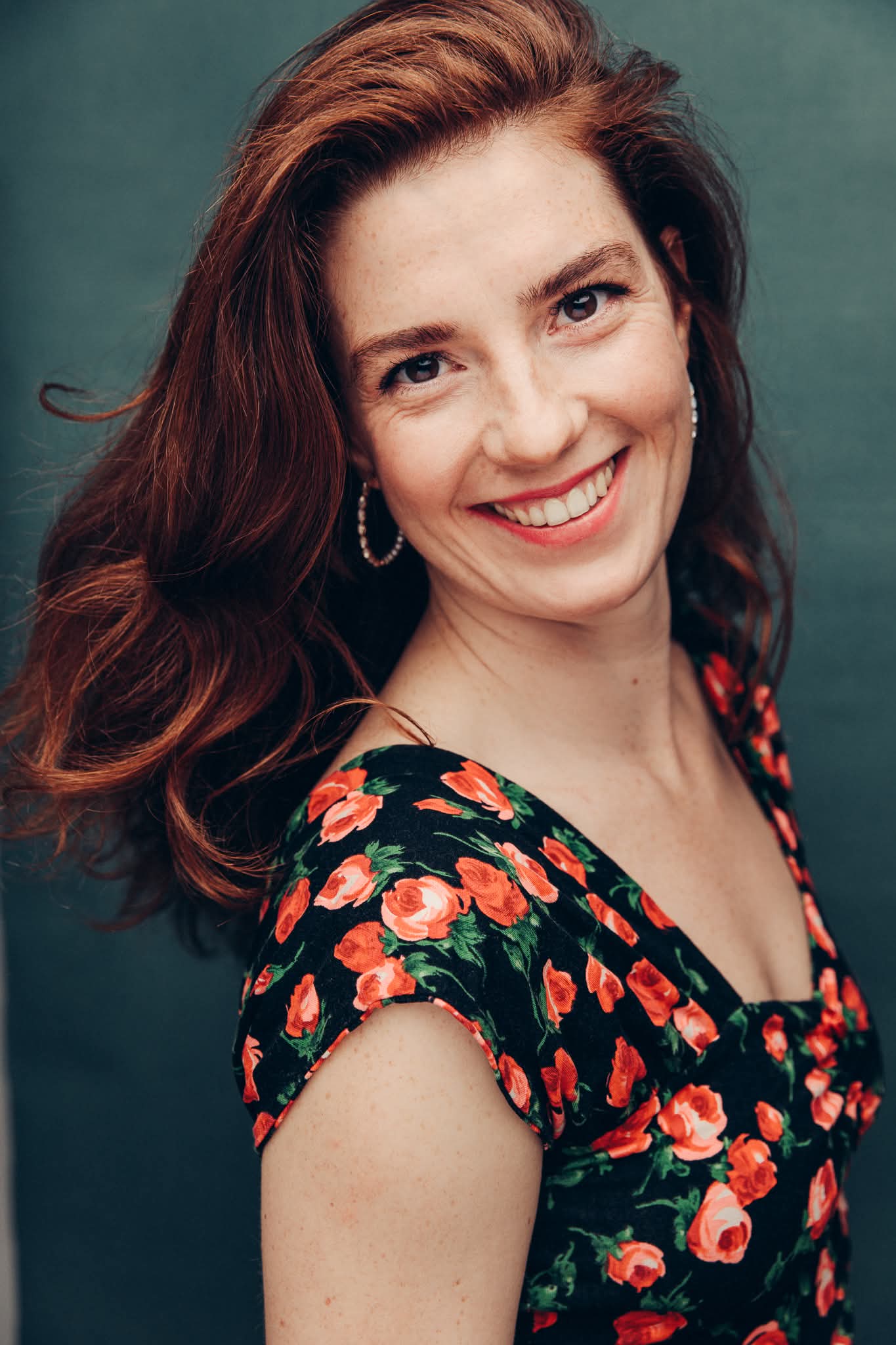
A German actress working across five languages, three film industries, and four countries, Lisa Riesner has built one of Europe’s most quietly extraordinary careers not through a single overnight moment, but through relentless, deliberate construction. Trained at the Michael Chekhov Studio Berlin, she has played a spy in Danish television, appeared in German ARD and ZDF productions, starred in a BBC Radio Drama, directed and starred in her own award-winning short film, and appeared in MODER a film selected for the Odense Film Festival and among the 200 Oscar qualifying films watched and voted on by Academy members. Now, with a Netflix-targeted medical series in development and a historical French drama she wrote herself in pre-production, the next chapter is only just beginning.
Five Languages, One Vision
QYou work in German, Danish, French, English, and Swedish on screen, on stage, on radio, and in front of a camera. Most actors struggle to build a career in one language. What drives you to operate across five?
I was always fascinated by different countries, different cultures, different ways of living. That fascination is still the reason I continue investing so much time, energy, money, and effort into learning languages.
As an actress, I remember reading an interview years ago with an actress in the Netherlands who spoke twelve languages and talked about how many opportunities it created for her career. I thought: how smart. And in some way, I consciously decided to build my life and career in a similar direction.
French has always had a special place in my heart since my teenage years I fell in love with French films and the romance of the language. Danish and Swedish came after moving to Scandinavia. English was always part of me too, and funnily enough, I actually learned a huge amount of it through MTV and Viva music channels. I was completely obsessed with them as a teenager.
Working across languages is absolutely an ambitious choice. It costs discipline, nerves, training, and hard work. I work constantly with private teachers, especially when preparing scripts, and I do not rely only on natural talent. I made this a serious ambition, and now I can finally feel it beginning to pay off professionally.
“I made this a serious ambition, and now I can finally feel it beginning to pay off professionally.”
The Method
QYou trained at the Michael Chekhov Studio Berlin a technique rooted in imagination, atmosphere, and the body as an expressive instrument. What does it give you that conventional training doesn’t?
The Michael Chekhov technique is the most beautiful acting technique I have ever practiced because it is deeply physical and deeply spiritual at the same time.
We train very physically, but we also work a lot with energy, imagination, meditation, atmosphere, and presence. We reconnect to light, work with the energetic body, and learn how small physical changes can completely transform a character psychologically and emotionally. It is fascinating to experience how a tiny shift in movement, rhythm, or inner focus can suddenly unlock an entirely different emotional reality.
What I also value deeply is that it gives actors a real toolbox. In this profession, you cannot rely only on talent because there are too many unpredictable factors. You need techniques that allow you to enter a role safely, repeatedly, and truthfully.
Some acting methods can become extremely psychologically heavy, and I personally think it is important to protect your psyche as an actor. What I love about Chekhov is that it accesses emotion through imagination, movement, and atmosphere rather than emotional self-destruction. For me, that creates much more freedom, creativity, and safety as an artist.
ALICE Behind the Camera
QIn 2022 you directed and starred in ALICE a short film in German and French that won multiple awards. What made you step behind the camera, and what did directing teach you about acting?
ALICE was the first short film I directed and created myself, shortly after finishing my acting formation in 2021. Originally I wanted to create a strong showreel piece in both German and French. But the project quickly became much more personal and meaningful to me.
The film is about abortion. It follows a woman working in a pantomime company in Paris shortly after going through an abortion, while the people around her continue as if nothing happened. I wanted to tell a story that mattered emotionally and socially. Abortion is still a taboo topic in many ways. And the film also explores how brutal and emotionally demanding this industry can sometimes be.
Directing and acting at the same time was extremely challenging, but also incredibly thrilling. What directing taught me most was the importance of communication and trust with actors. Every actor has a different emotional language, and part of directing is understanding how to reach each person individually while still guiding everyone toward the same vision. That experience made me a much more attentive actress. I now understand much more deeply what directors actually need from actors on set.
“Every actor has a different emotional language. Part of directing is understanding how to reach each person individually while still guiding everyone toward the same vision.”
MODER The Film That Mattered
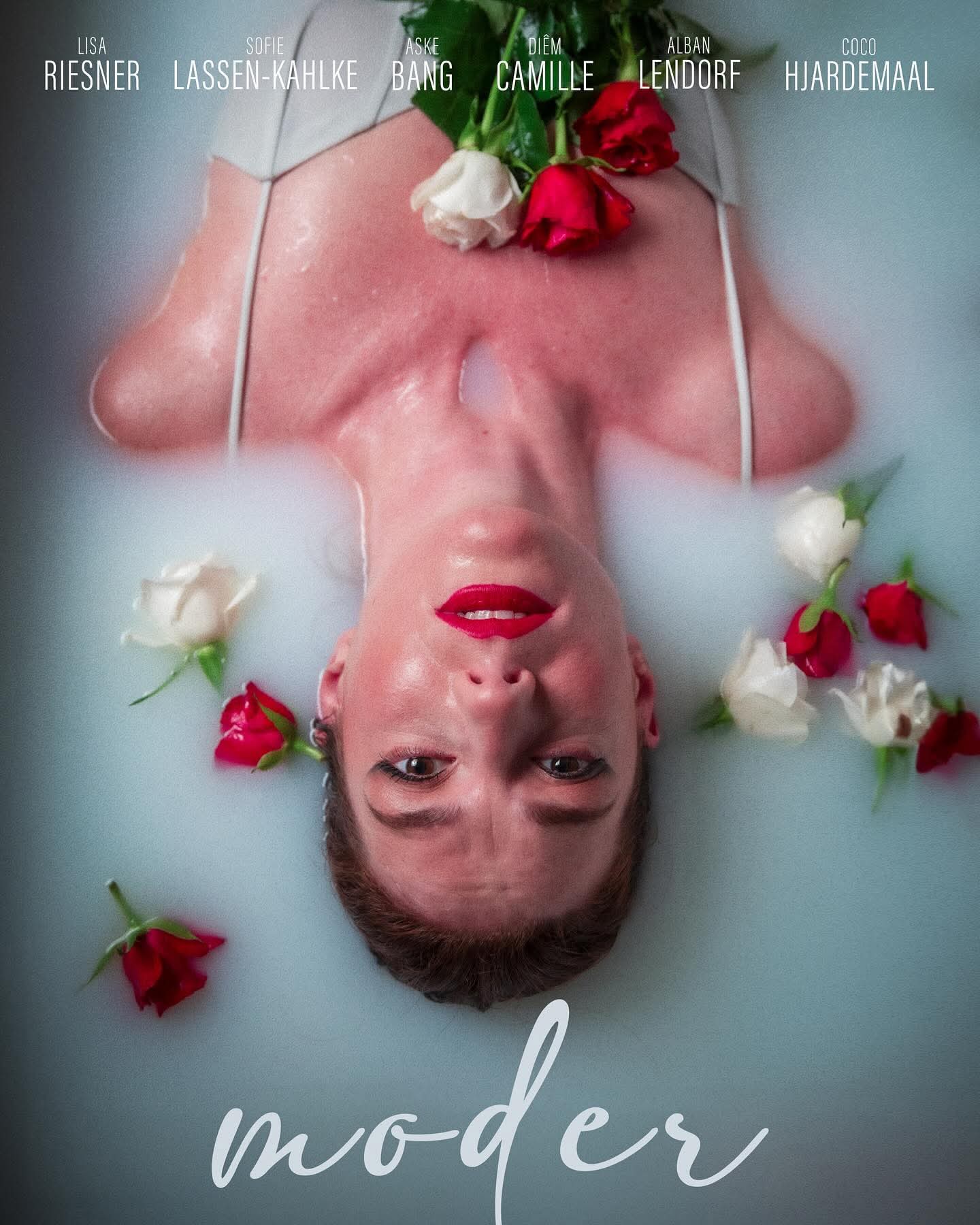
QYour film MODER was selected for the Odense Film Festival Denmark’s biggest film festival and was among the 200 Oscar qualifying films watched and voted on by Academy members in 2025/26. What was that story, and what drew you to it?
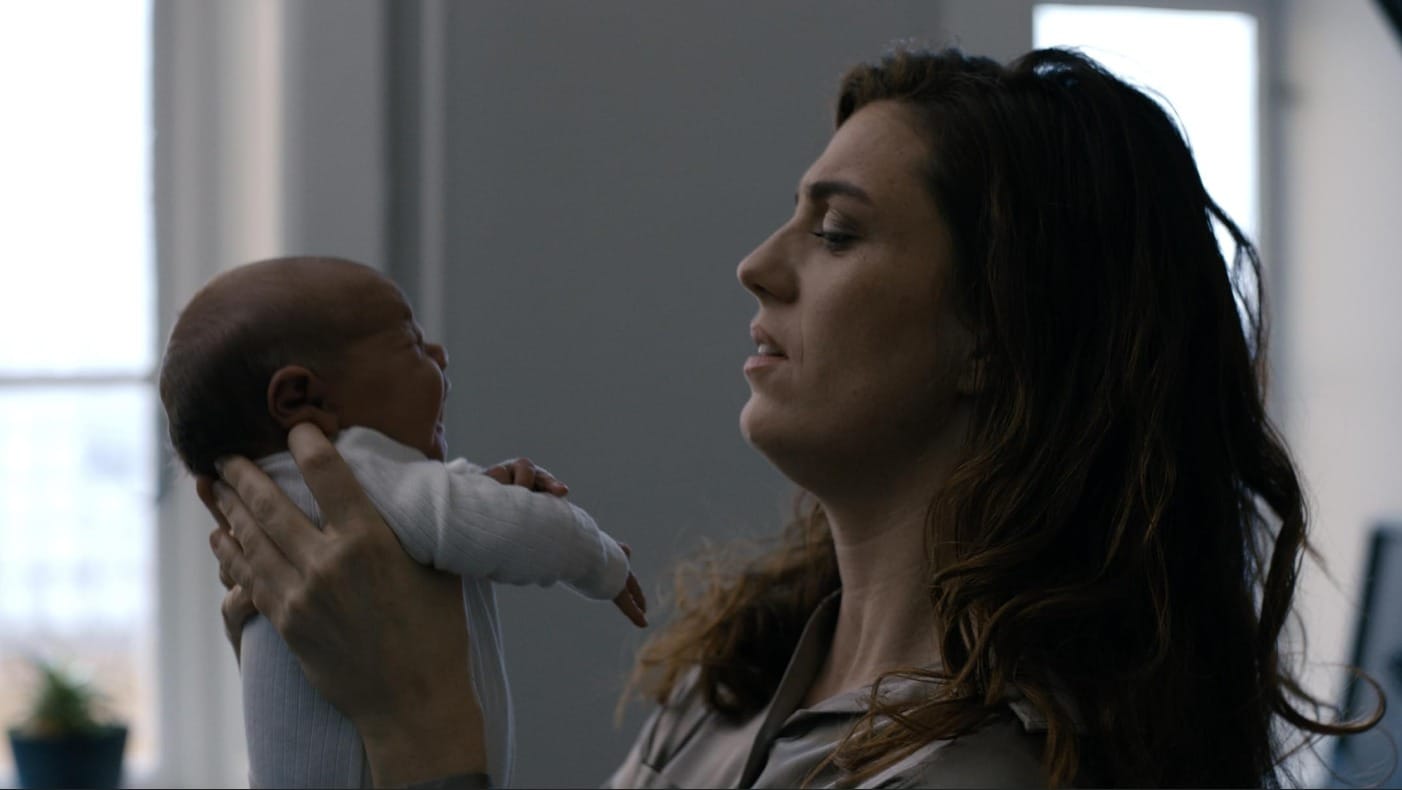
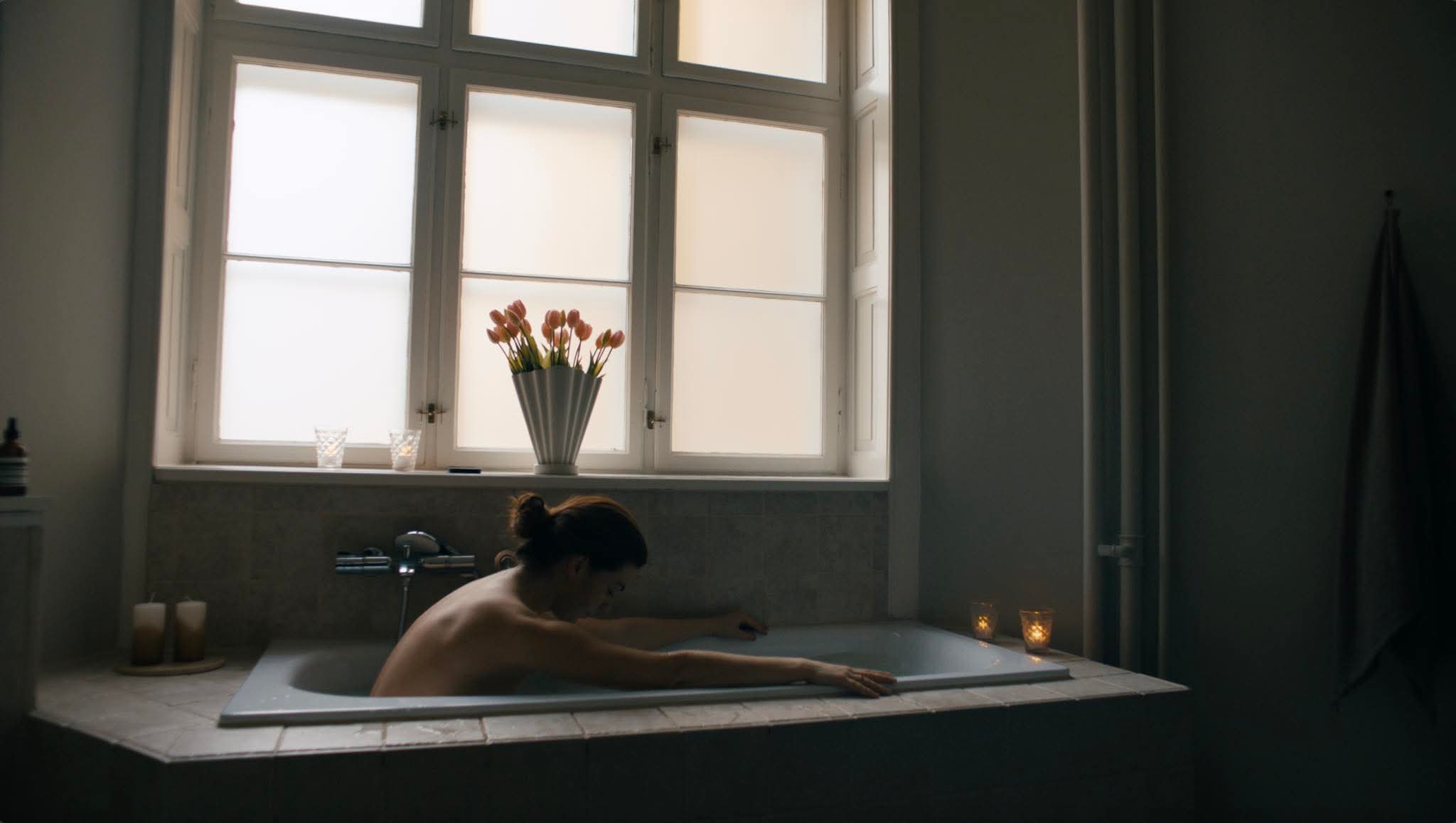
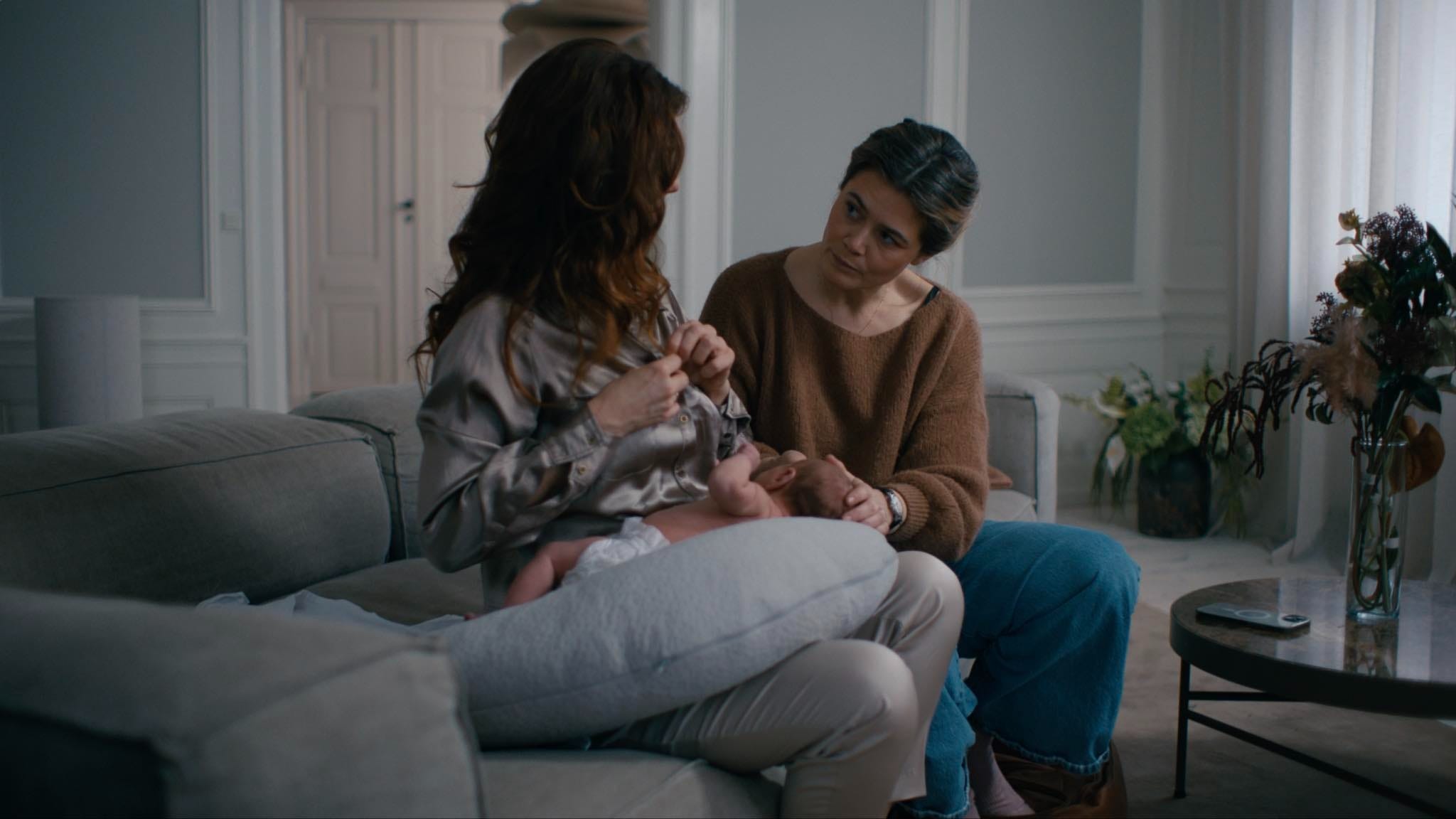
MODER deals with postpartum depression, anxiety, and hallucinations after birth. It follows a woman struggling deeply after becoming a mother feeling disconnected from her newborn child. It is still such a taboo topic for so many women, and I felt very strongly about supporting a film that created more openness and discussion around it.
What moved me most was the reaction from audiences and mothers who identified deeply with the story. We even held online meetings together with trauma-informed coaches where women could openly talk about these experiences in a safe environment. The emotional response was huge. And I think that showed how important it is to create films that allow difficult conversations to happen. That is why I do this work.
What Stays Constant
QYou have played a spy in a Danish series, a crime drama character in German ARD, and a lead in a BBC Radio Drama all in different languages, genres, and registers. How do you shift between those worlds without losing yourself?
What keeps me grounded most is my private life and my routines outside of acting. I live very close to nature and spend a lot of time at the beach, going on walks, training at the gym, journaling, and staying connected to my family especially my parents and my sister. Knowing who you are, where you come from, and what truly matters to you is what protects you most in this industry.
What stays constant professionally is training. I train a lot on my own, I work with teachers, I constantly practice my languages, and I do self-tapes almost every day. Acting is very much like being an athlete you need to continuously train the body, the voice, the imagination, and the emotional connection. So even though the worlds, genres, and languages constantly change, the discipline and commitment underneath remain the same.
Refusing One Lane
QActing, directing, modelling, writing, coaching most people pick one lane. You seem to deliberately refuse to. Is that a philosophy or simply who you are?
What I always wanted most was to live a very creative life where every day feels different. For me personally, an office job where every day looks the same would probably be the most boring scenario imaginable.
Acting needs a lot of training if you really want to play leading roles. For my stage roles Shakespeare, for example I had to learn around 150 pages by heart. There is so much more to it than people often realise. But it actually helps enormously to be an actor when you are also a model. Modelling allows you to travel and collaborate with amazing creative teams.
I love the excitement of constantly changing environments, people, characters, projects, and creative energy. That is not restlessness that is who I am.
“I love the excitement of constantly changing environments, people, characters, projects, and creative energy. That is not restlessness that is who I am.”
Where She Felt Most at Home
QYou have crossed film industries that each have their own culture and gatekeepers. Where have you felt most supported?
I honestly felt the most supported in Denmark. The cultural funding and support system there is incredible. The Danish acting union is amazing, and the production crews and young filmmakers are so inspired, motivated, and collaborative. I am genuinely fascinated by the level of filmmaking in Denmark people create extremely high-quality projects while still maintaining a very human and supportive atmosphere.
Honestly, my secret advice to filmmakers would probably be: move to Scandinavia, especially Copenhagen, and create films there. I have never experienced anything quite like it. Right now, we are also creating a historical drama in France called Ma Demi-Soeur, so my next experience will be producing and working within the French industry which I am already incredibly excited about.
A Day in Her Life
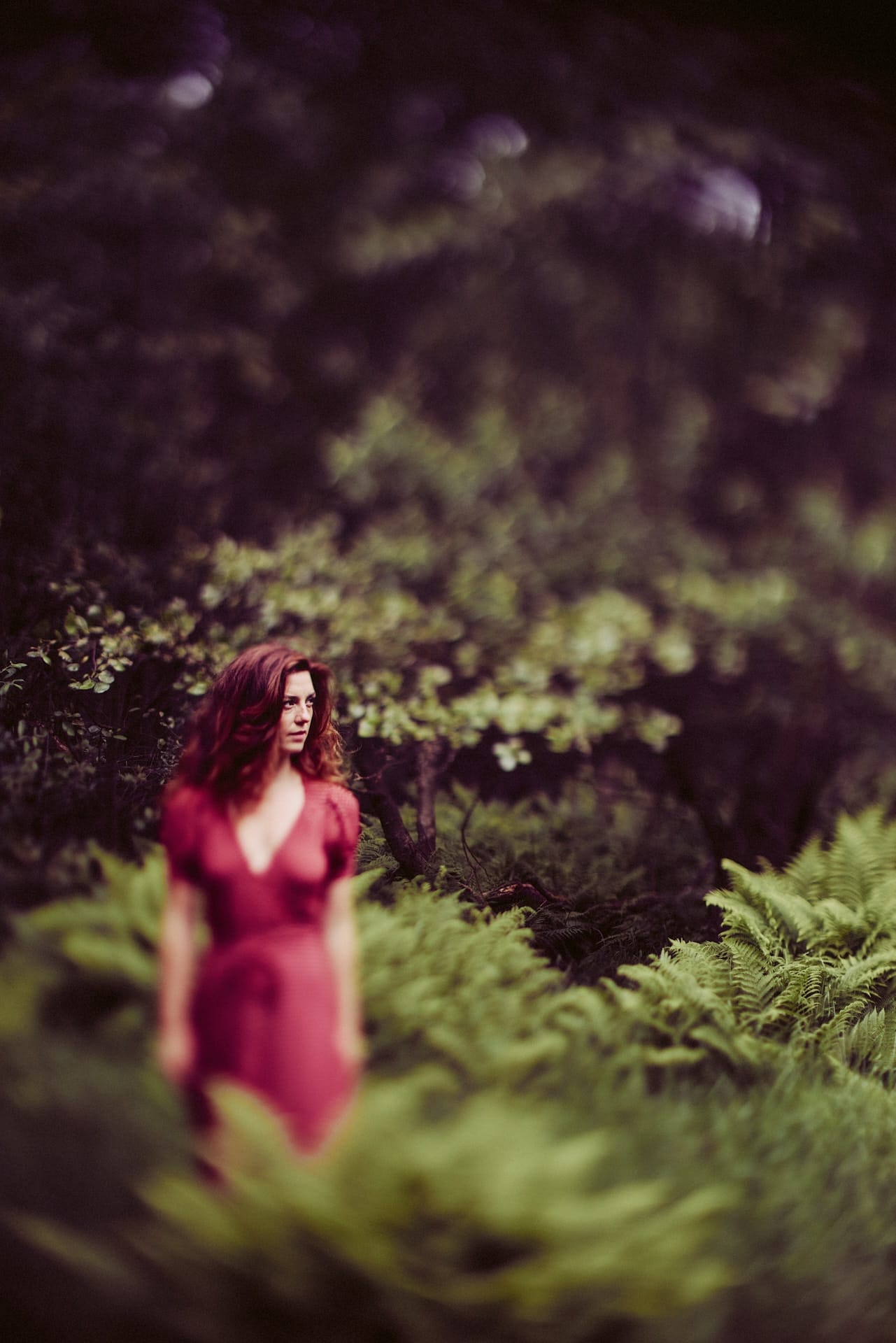
QWhat does a day in your life actually look like between cities, languages, characters, and creative projects?
I usually start my mornings with affirmations for about half an hour. Louise Hay has inspired me a lot in that area. Then I journal and go for a nature walk, because I live close to the beach.
After that, I might have a Swedish language class in the morning and a Danish class later in the day. I also coach my clients, prepare self-tapes for films or series, rehearse scenes either online or in person with scene partners, and later record everything in my little home studio.
I cook very healthy food, call my family regularly, and usually go to the gym in the evening. At least once a week I watch films or series to stay updated with what is being created artistically. Every day feels creative and alive.
What People Get Wrong
QWhat is something people consistently get wrong about you an assumption the industry makes that simply isn’t true?
One question actors constantly get asked by people outside the industry is: “What have I seen you in?” I think many people do not realise how many films, series, and productions exist that are not always accessible to mainstream audiences internationally. MODER was among the Oscar qualifying films and still many people cannot access it because it mainly played in festivals.
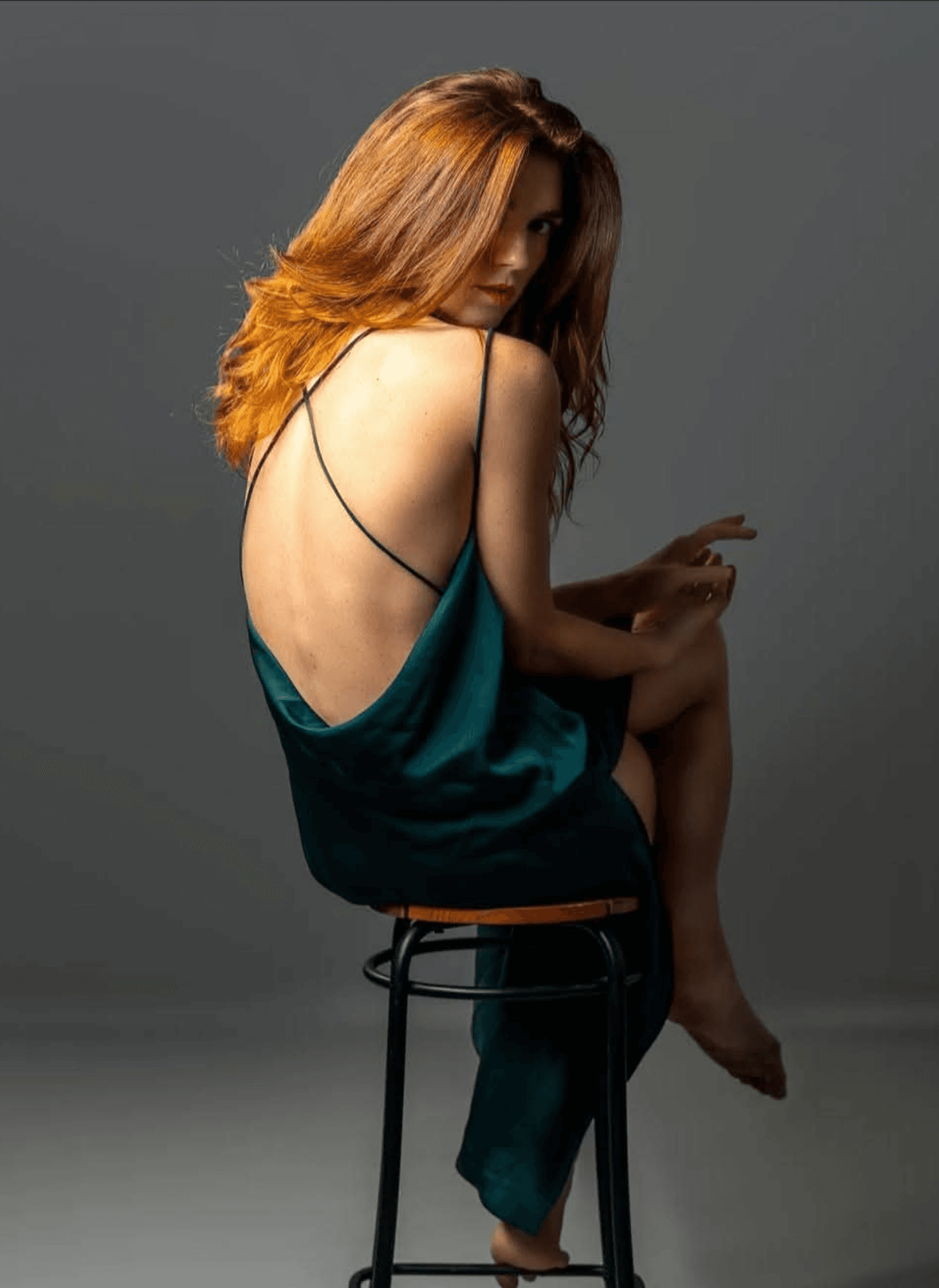
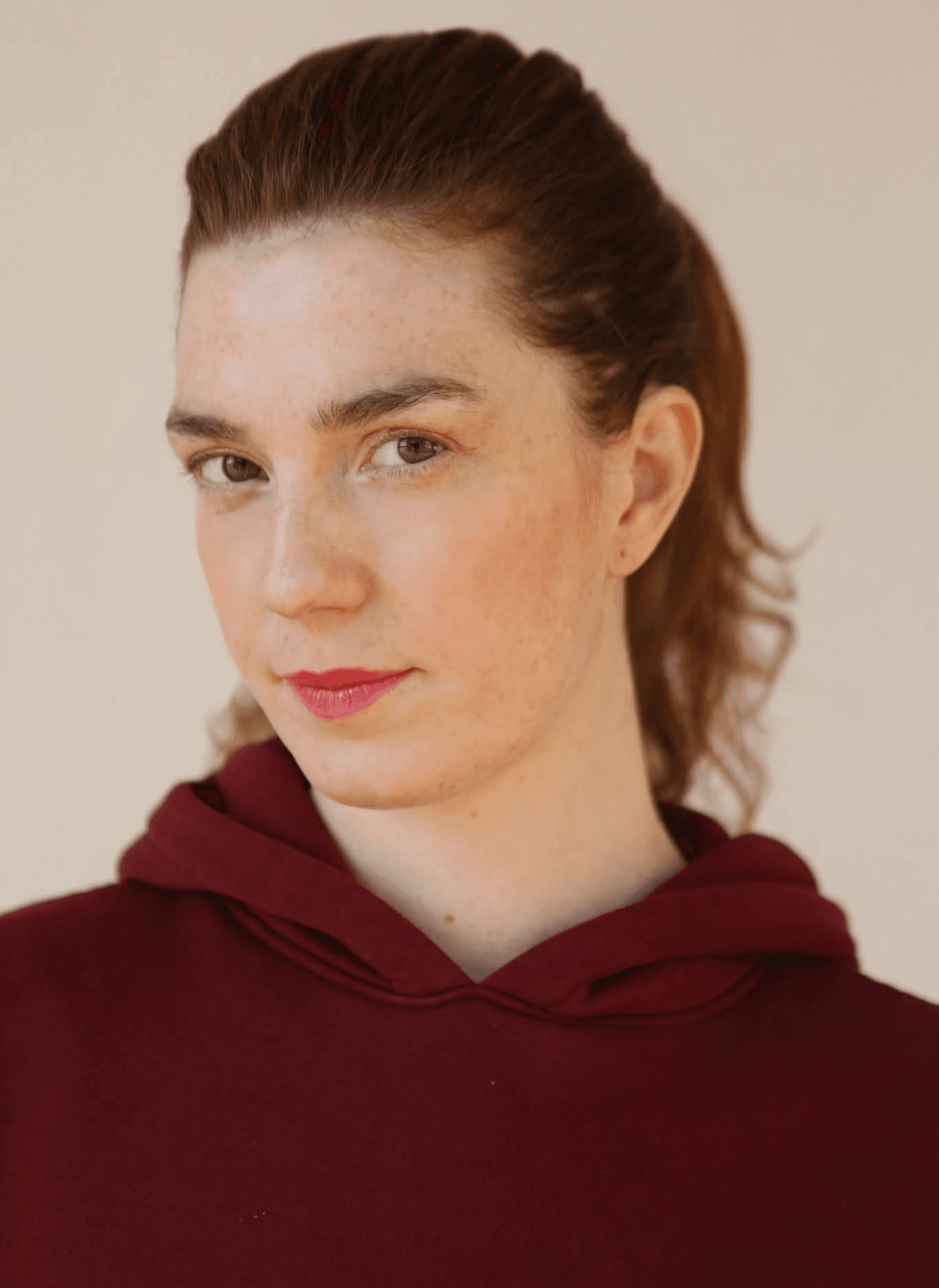
I also often get cast as very glamorous women, femme fatales, models, or mothers. In reality, I barely wear makeup in my daily life and I am not a mother myself. But that is exactly what I love about acting. It is not about playing yourself. It is about embodying characters and allowing people to project different worlds onto you. I actually enjoy when people see different possibilities in me. That is part of the beauty of it.
What Comes Next
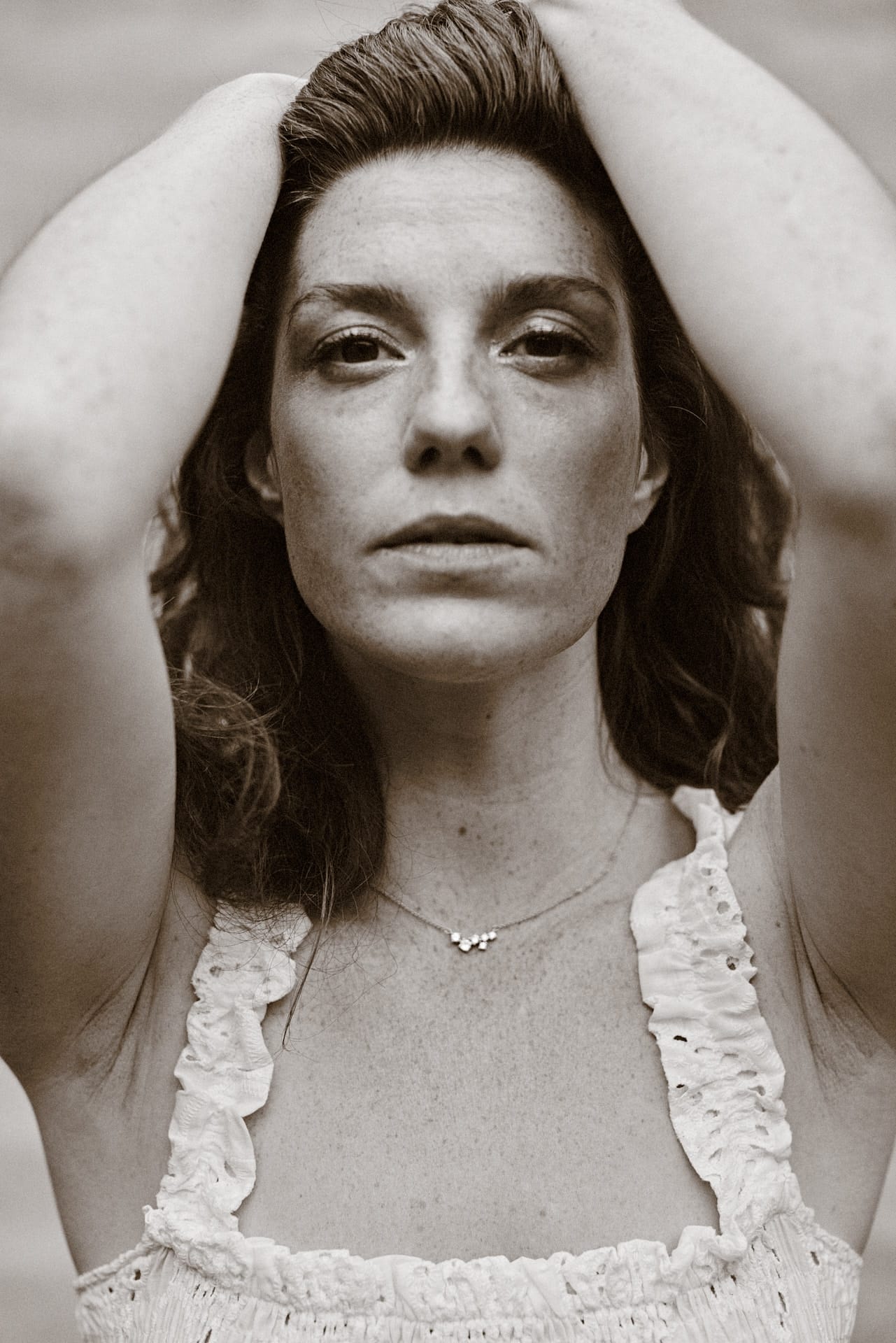
QLooking ahead what are you building? What does the next chapter of Lisa Riesner look like?
I am aiming very high. Winning major acting awards an Oscar, an Emmy is absolutely one of my long-term goals. But beyond awards, what matters most to me is creating meaningful work and building an international career without limiting myself creatively.
We are developing a medical TV series a Swiss-German-Scandinavian co-production and we aim to shoot the pilot next year with the goal of landing on a major streamer, ideally Netflix. I also wrote a historical French drama called Ma Demi-Soeur that is in pre-production, and I would love to film it next year.
I am 34 years old and my career is building real momentum right now. But I also remind myself there is no age to break through. You can have a breakthrough at 60 if you are committed and never give up.
And beyond all of this, I am building something I believe in deeply: a worldwide community called CHOSEN.
CHOSEN — A Worldwide Community
Lisa is building CHOSEN a global community with a powerful mission: to connect people who want to create, grow, and become their best selves, and through that, create a better world. CHOSEN currently has three pillars:
- Coaching & self-development
- Filmmaking, acting & producing
- Women in Cannes during the film festival
“You are chosen — simply because you are breathing.”
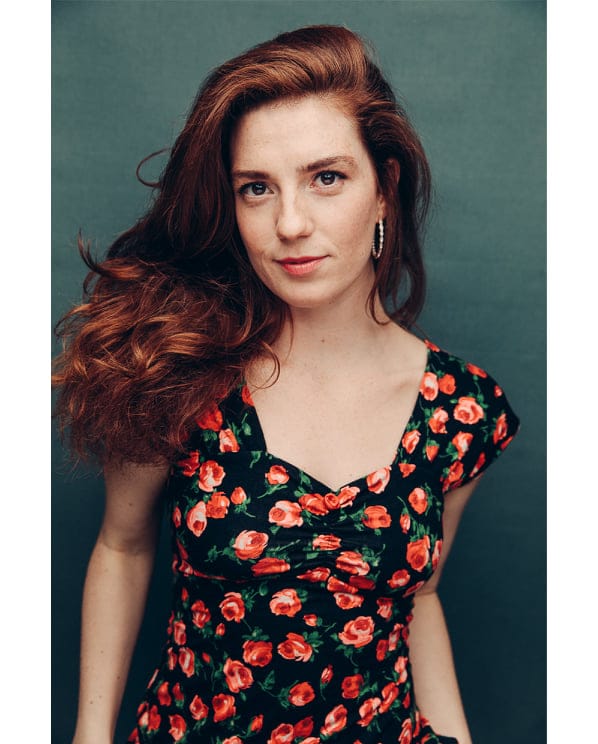
“You are chosen simply because you are breathing.”
— Lisa Riesner · Actress · Director · Producer · Founder of CHOSEN
Connect with Lisa Riesner
lisariesner.com @lisariesner_official @chosen.womenincannes @chosen.community2026 @chosen.coaching.community IMDB