
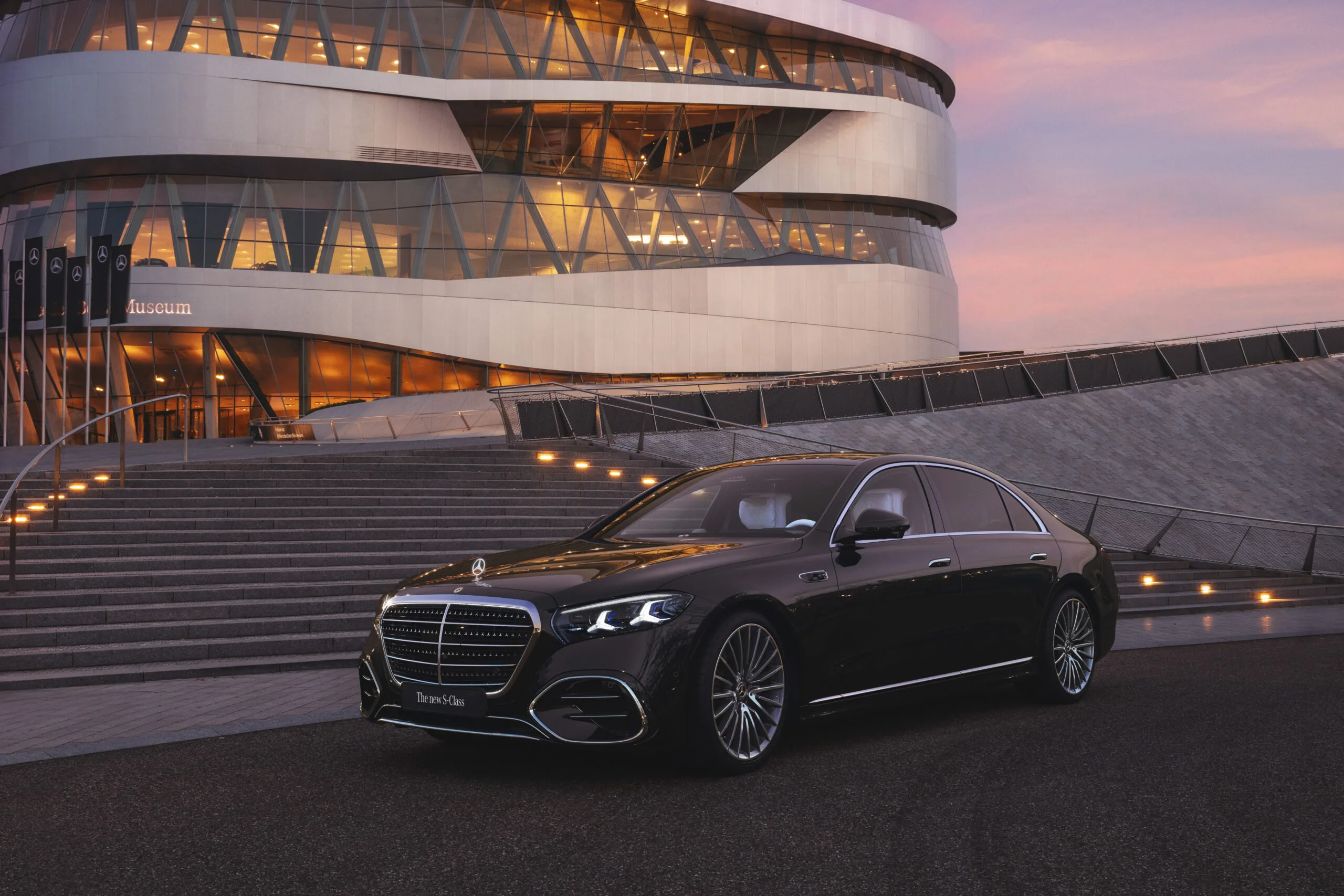
“The best or nothing. That has always been our standard. The question now is what ‘best’ means when the world has fundamentally changed.”
The factory floor at Mercedes-Benz’s Sindelfingen plant, just south of Stuttgart, is not what you expect. There are robots of course there are robots but the silence is what strikes you first. Not the silence of absence, but the silence of precision. Of machines that have learned to do extraordinary things without making a fuss about it.
It is, in a way, the perfect metaphor for what Mercedes-Benz is attempting in 2026: a reinvention so total, so carefully executed, that from the outside it barely looks like change at all. The three-pointed star still graces every bonnet. The interiors still smell of leather and ambition. But underneath in the software architecture, in the electric drivetrains, in the way the company now thinks about what a car is supposed to do almost everything has shifted.
The Silence of Progress
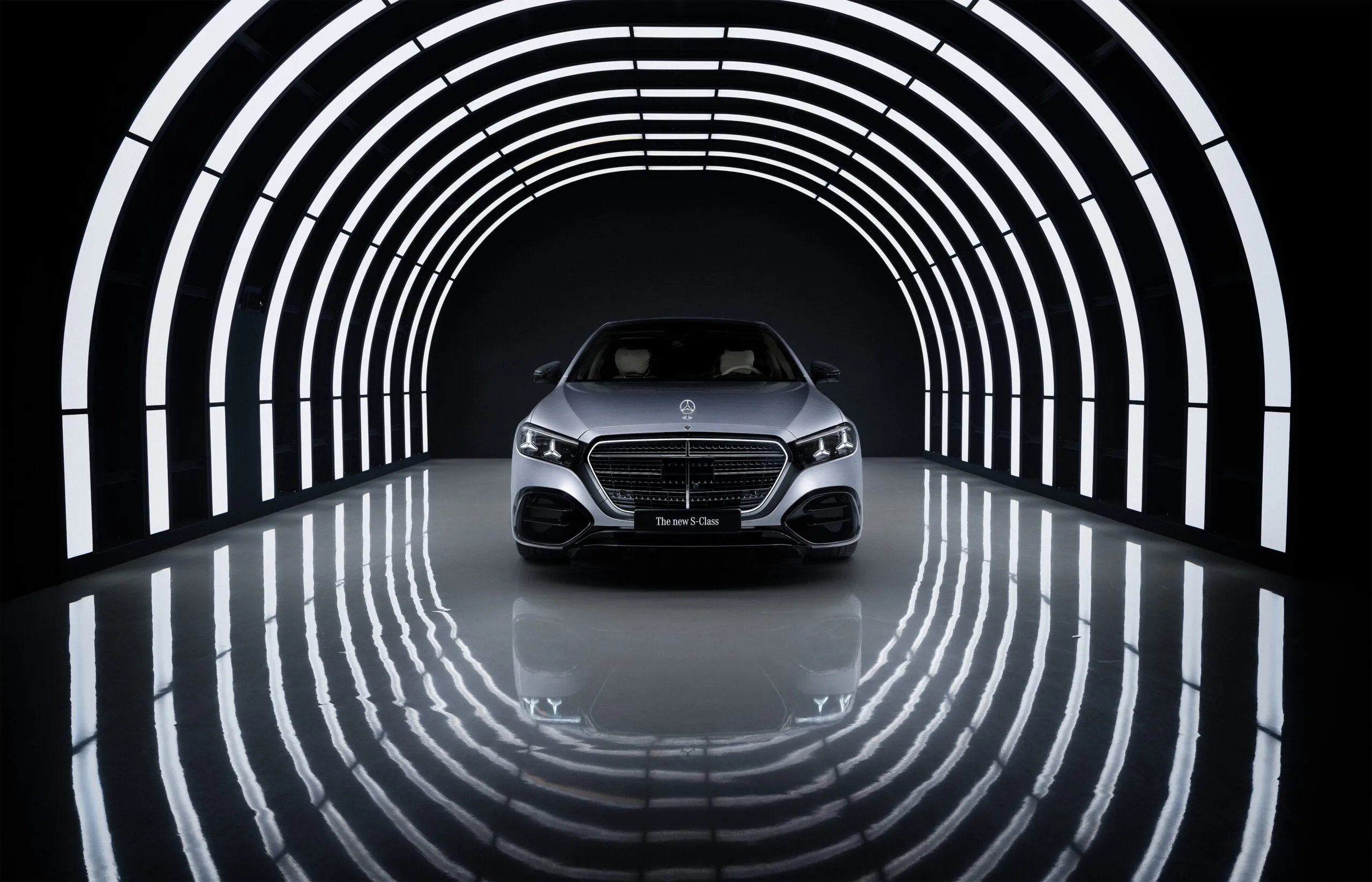
It began, as most genuine transformations do, with a crisis of identity. The rise of Tesla in the early 2020s forced every legacy automaker to confront an uncomfortable truth: the thing that had made them great the internal combustion engine, mastered over a century was becoming irrelevant. For brands with less history, this was a clean slate. For Mercedes-Benz, it was an existential question.
The answer the company arrived at was not to become Tesla. It was to become more deeply, more deliberately itself. The EQ line the brand’s fully electric family was not designed as a departure from Mercedes DNA. It was designed as the truest possible expression of it. Silence, comfort, effortless power: these were always the hallmarks of a great Mercedes. An electric drivetrain, it turned out, delivers all three with a directness that combustion never could.
We didn’t abandon our heritage. We discovered that our heritage had been preparing us for this moment all along.
The EQS the electric flagship sedan generates up to 658 horsepower while making less noise than a library. Its MBUX Hyperscreen, a single curved glass surface stretching the full width of the dashboard, presents information with a restraint and intelligence that makes rival infotainment systems look like airport departure boards. It is technology serving the driver, not performing for them.
What Luxury Means Now
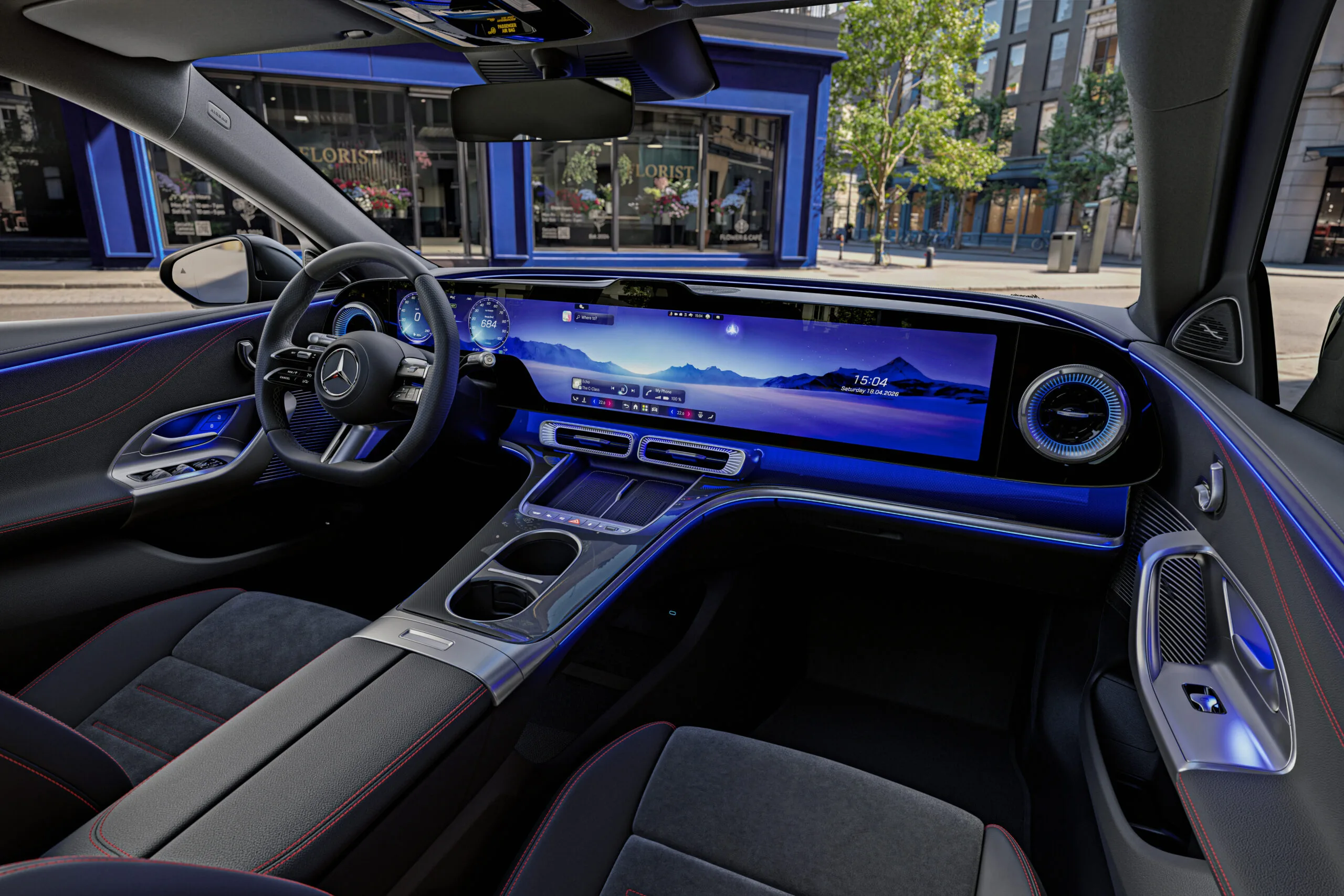
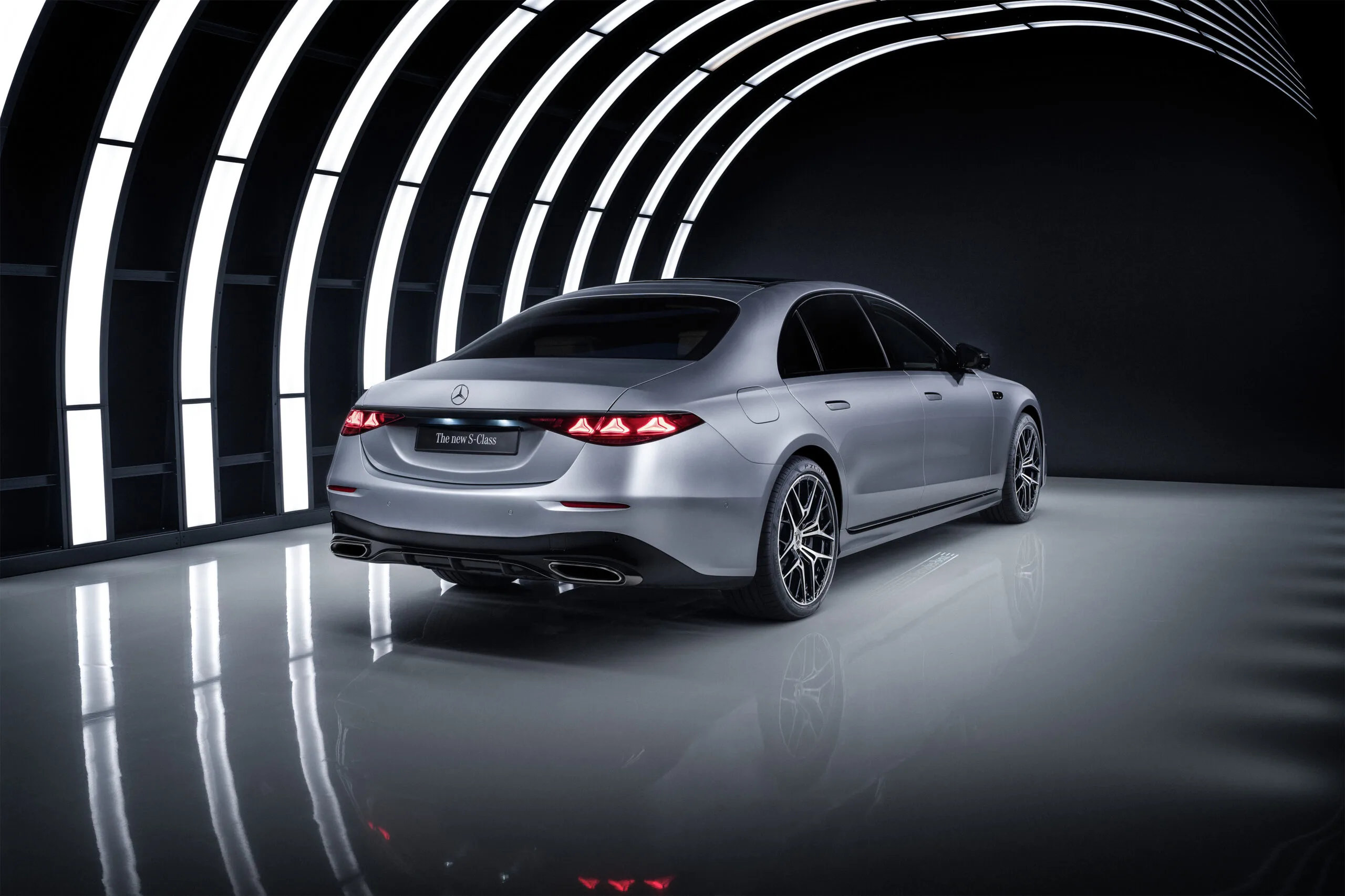
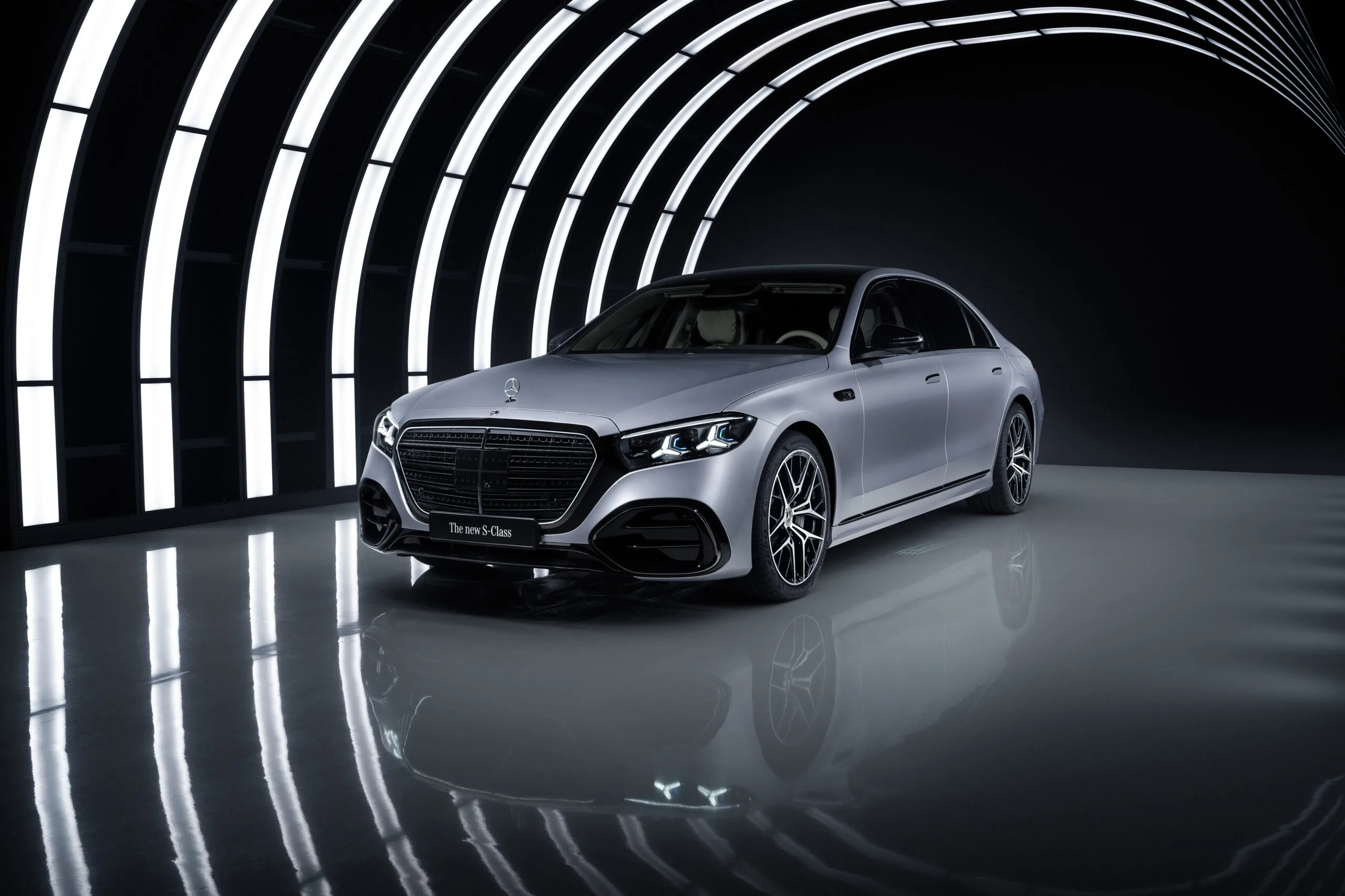
Mercedes-Benz’s head of interior design, Gorden Wagener, has spoken about a concept he calls “sensual purity” the idea that true luxury is achieved not by adding more, but by removing everything that does not need to be there. Walk through the interior of the new S-Class or EQS and this philosophy becomes tangible. Switches have been eliminated. Surfaces are continuous, uninterrupted. Ambient lighting shifts with the mood the driver selects. The car responds to voice, to touch, to the subtle biometric signals of the person behind the wheel.
It is a vision of luxury that is fundamentally different from the one that dominated the 20th century. Where once the statement was made through chrome, through size, through the bass note of a V8 at idle, now it is made through intelligence. Through a car that knows, before you ask, what you need.
This shift has not gone unnoticed by Mercedes-Benz’s competitors. But the Stuttgart marque holds an advantage that no startup can replicate: 140 years of knowing exactly what refinement feels like when it is done properly. The new technology does not replace that knowledge. It inherits it.
The Road Ahead
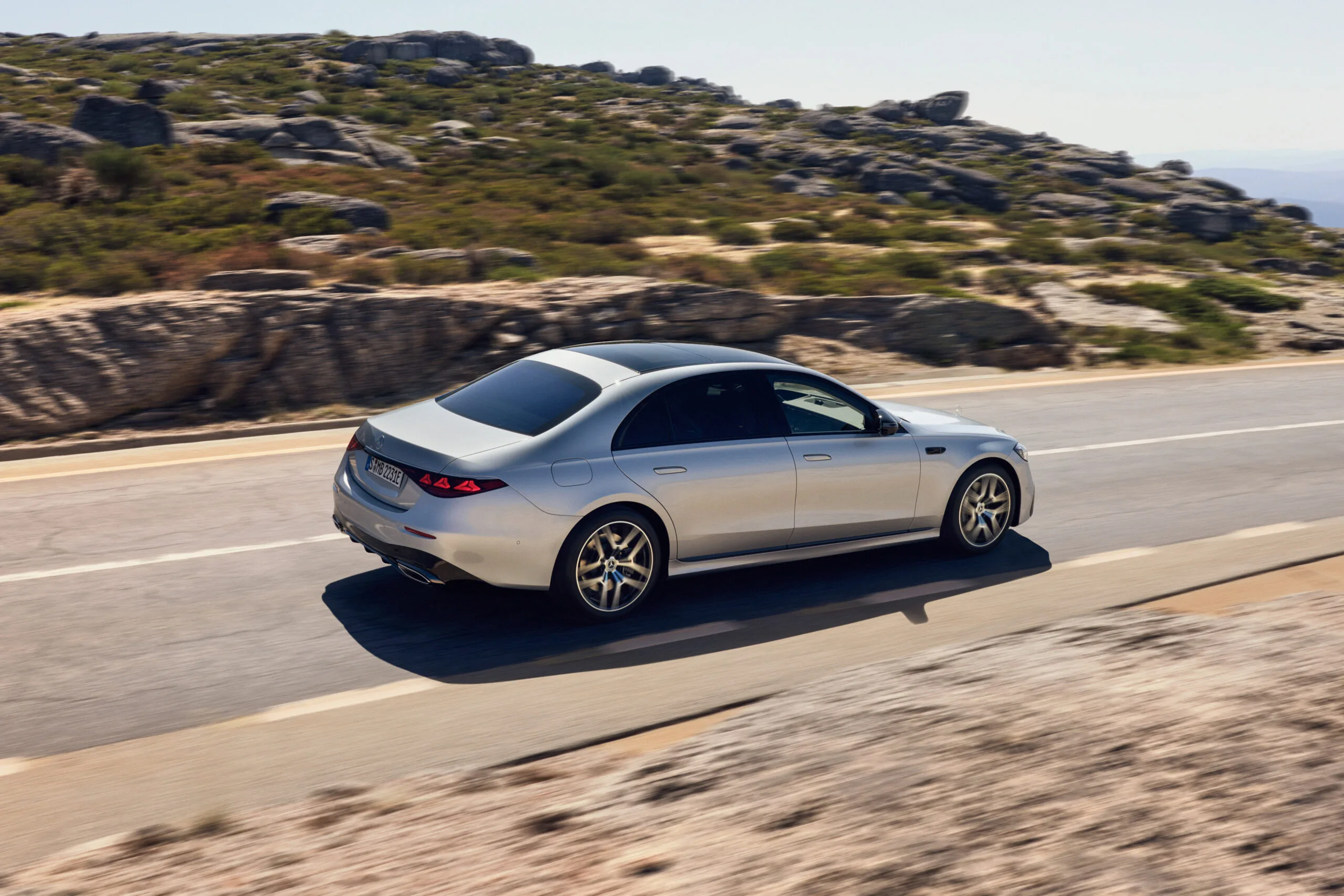
By 2030, Mercedes-Benz has committed to offering an all-electric alternative in every segment it serves. The G-Class the legendary off-roader that has barely changed in silhouette since 1979 now exists in a fully electric variant. The AMG performance division has built an electric hypercar that produces over 1,000 horsepower and laps the Nürburgring faster than anything the combustion era produced.
None of this has happened at the expense of craft. The Sindelfingen plant still employs master upholsterers who spend days on a single seat. The paint shop still applies coatings by hand where machines would leave imperfection. The paradox of modern Mercedes-Benz is that the more technological it becomes, the more artisanal it insists on remaining.
That paradox, perhaps, is the point. The future of luxury driving is not a choice between tradition and innovation. It is the insistence stubborn, magnificent, Stuttgart-born that you can have both. That the best, whatever era it arrives in, remains the best.