
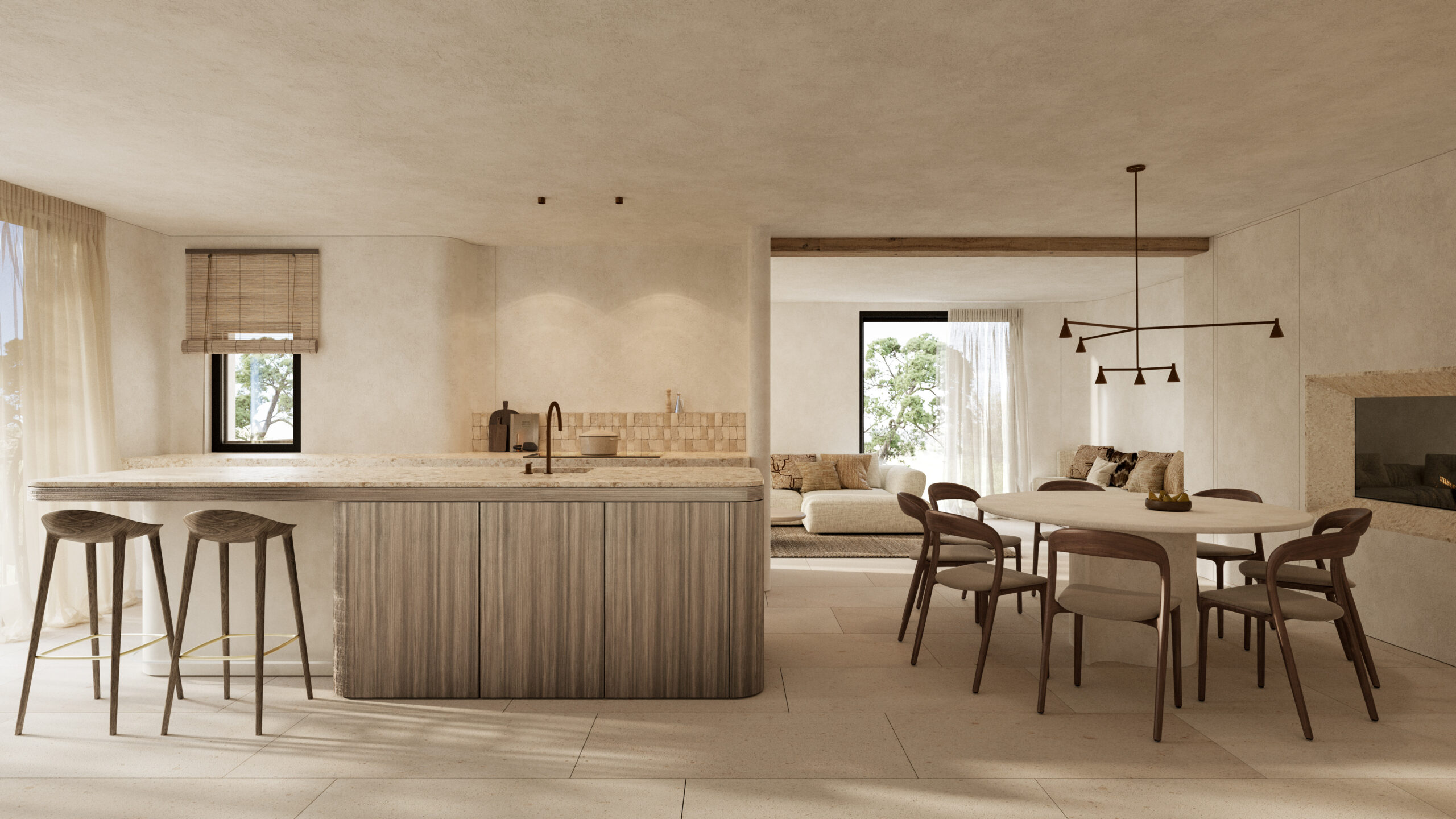
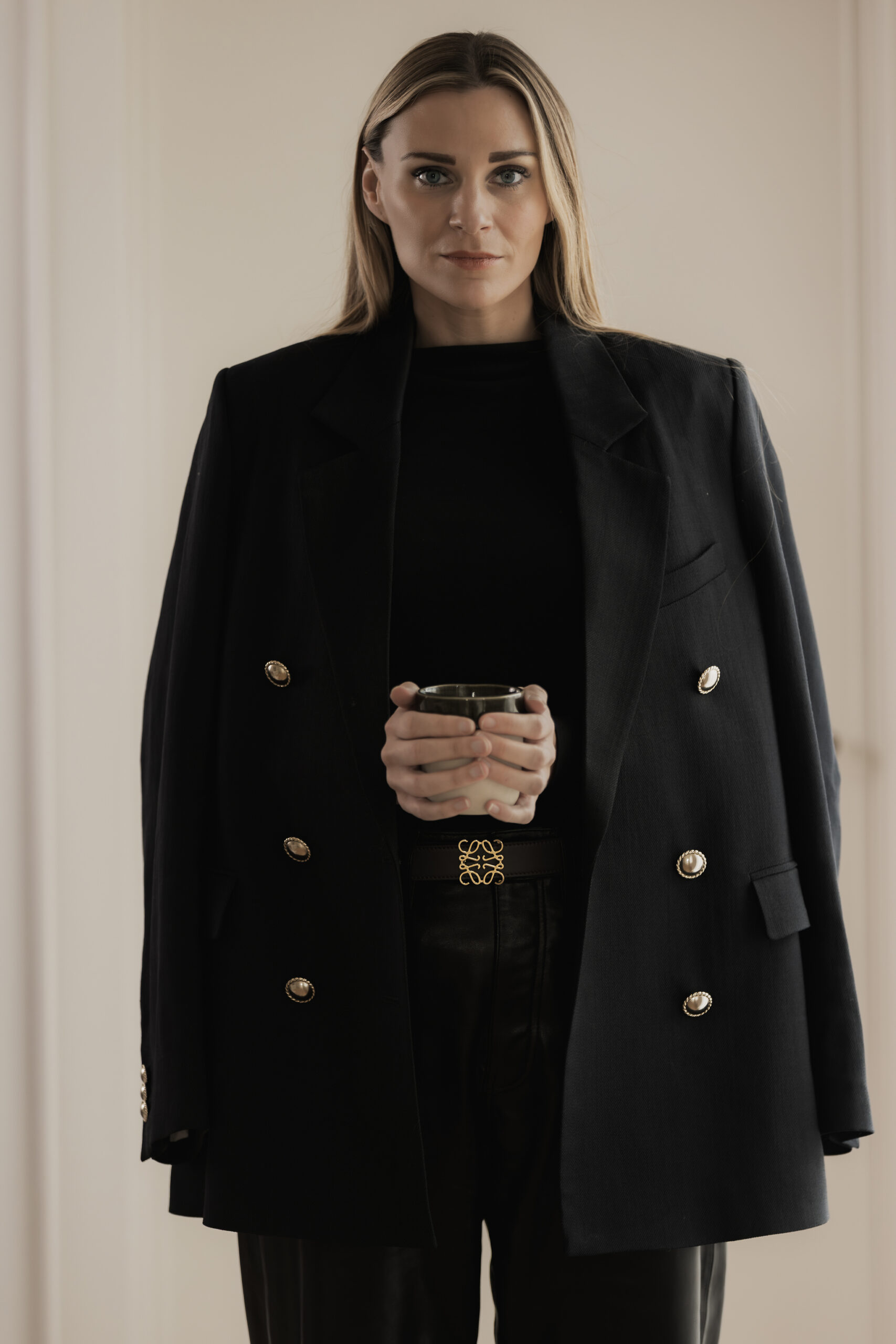
Long before Laura Calleeuw knew interior architecture was a profession, she was already practising it rearranging her childhood bedroom into a living room, a kitchen, a world of its own. Today, that same instinct shapes every home she designs interiors built not around trends, but around the people who live in them. Here, the Belgium-based designer speaks about the philosophy behind her studio, the two renovation projects closest to her heart, and what she’s building next.
What first drew you to interior design, and how did your journey begin?
Looking back, I think my journey as an interior architect started long before I even knew the profession existed. As a child, my bedroom was my entire world. With a vivid imagination, I transformed it into a home of its own a living room, a kitchen, a bedroom where I could endlessly create stories and experiences. I must have rearranged the furniture hundreds of times because I loved discovering how a different layout could completely change the feeling of a space. Even then, I wasn’t just decorating; I was designing how it felt to live somewhere.
When I turned eighteen and had to choose what to study, interior architecture felt like the obvious choice. Although I always had good grades, I never enjoyed studying in the traditional sense. Performance anxiety made learning from books stressful, while creating something with my hands gave me energy and confidence. Designing never felt like work it felt like freedom. I discovered that I learned far more by experimenting and solving real problems than by memorizing theory.
After graduating, I immediately started working as the right-hand person in a custom furniture company, where I gained invaluable hands-on experience. Every project taught me something new and strengthened both my technical knowledge and my confidence. The moment I felt I had the skills and the courage to build something of my own, I took the leap. A beautiful first major project became the turning point that gave me the confidence to start my own studio. Since then, my goal has remained the same: to create homes that feel as personal, meaningful, and inspiring as the little world I built in my childhood bedroom.
How would you describe your design philosophy in a few words?
My design philosophy begins with people, not spaces. Before I design a home, I take the time to understand the person behind it their habits, routines, personality, and the way they want to feel every day. I believe a home should quietly support the life lived within it, making everyday moments feel effortless, comfortable, and deeply personal. Rather than creating interiors that demand attention, I design spaces that bring a sense of calm, harmony, and timeless serenity. My goal is to create homes that don’t simply reflect who my clients are, but gently elevate how they live, feel, and experience every single day.
“True luxury is not about excess, but about creating a home that feels calm, grounded, and deeply restorative.”
Who or what has most influenced your approach to design?
My design philosophy was shaped by both timing and personal conviction. I started my studio during the pandemic, a time when people rediscovered the importance of home. As travel came to a standstill, they longed for spaces that offered the comfort, peace, and escape of a holiday within their own walls a concept now known as cozycation. That idea resonated deeply with me because it perfectly reflected what I had always been drawn to natural materials, organic shapes, authentic craftsmanship, and timeless quality. I believe these elements create more than a beautiful interior they create a genuine connection between people and the spaces they inhabit. For me, true luxury is not about excess, but about creating a home that feels calm, grounded, and deeply restorative.
Walk us through your creative process, how do you begin a new project?
For me, every project begins long before the finishes and furniture are selected. The greatest value we can offer as interior architects is at the very start of the process, ideally when the building permit has just been submitted. At that stage, we critically evaluate the layout in relation to the architecture and its surroundings, refining how the home will actually be experienced. We carefully study sightlines, circulation, the balance between openness and intimacy, and the way bespoke furniture shapes the movement through a space. These decisions may seem invisible, but they define how a home feels every single day.
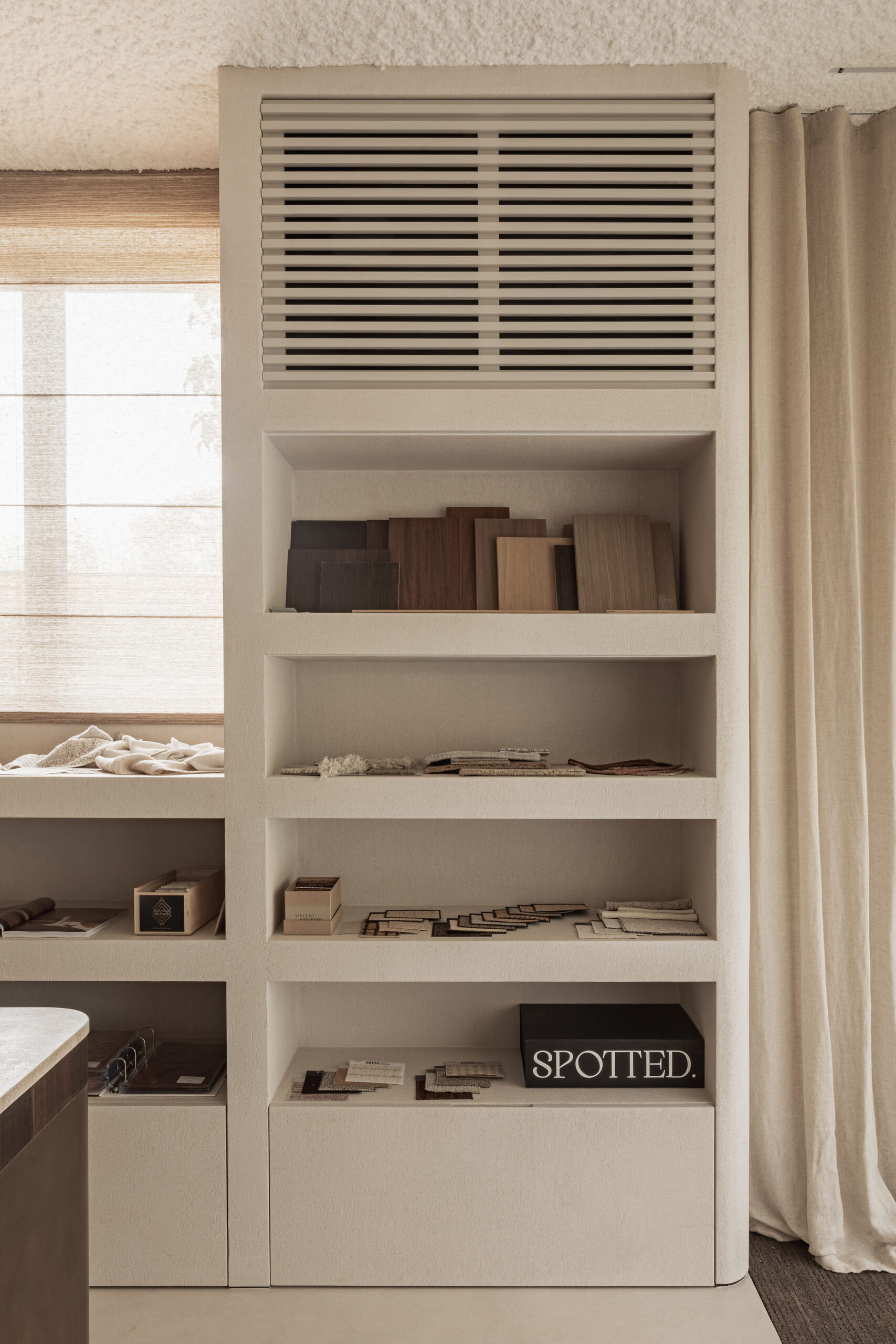
Once this foundation is in place, we develop the atmosphere through mood boards and a clear design concept. From there, we translate every idea into highly detailed technical drawings, where aesthetics and functionality go hand in hand. From custom cabinetry and internal storage to dimensions and construction details, every element is thoughtfully resolved. This level of precision not only ensures a seamless result but also allows contractors to prepare accurate quotations, giving our clients clarity and confidence throughout the entire building process.
What matters most to you when designing a space: atmosphere, function, or aesthetics?
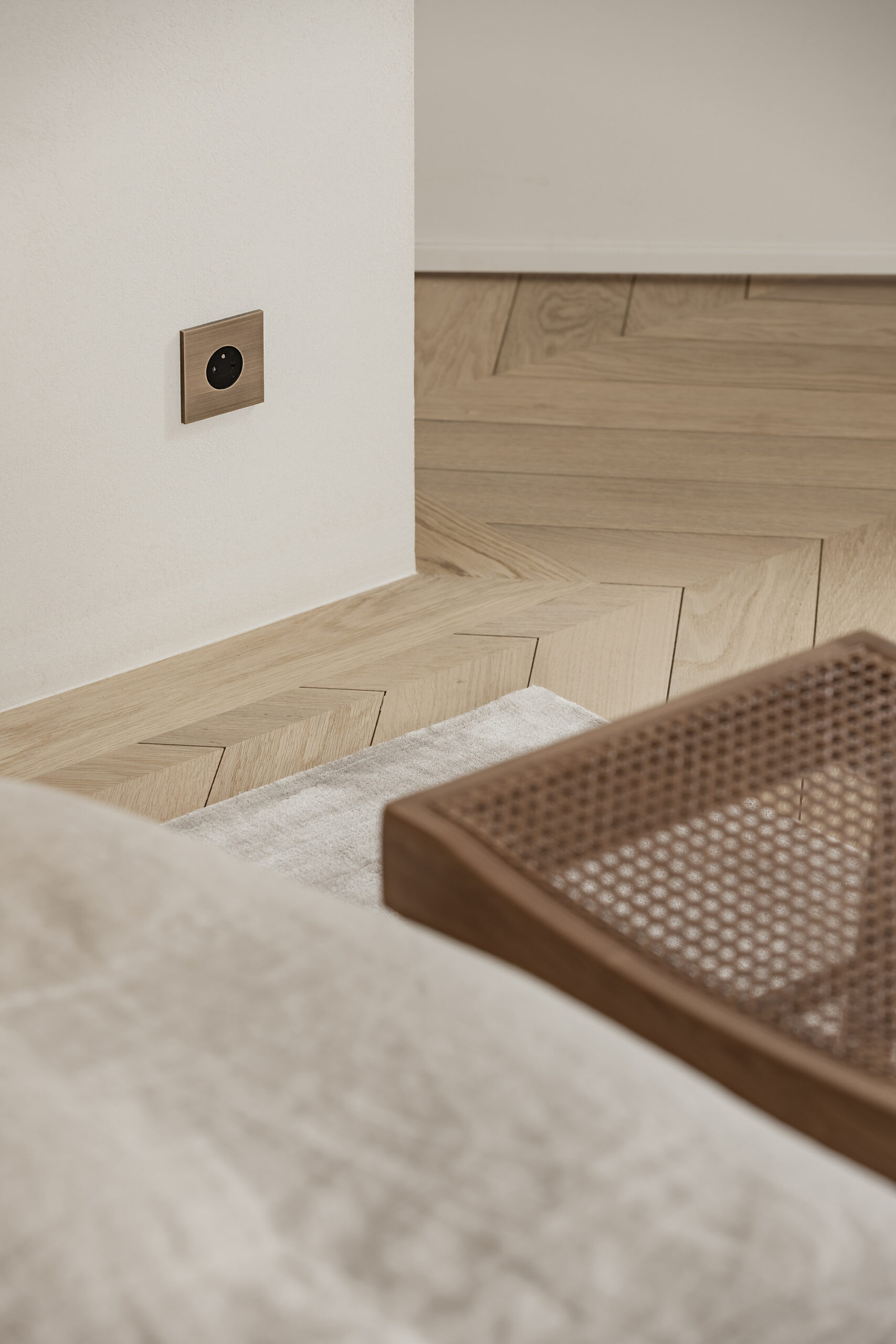
For me, the experience of a space always comes first. I believe the most successful interiors are those where functionality and aesthetics become inseparable, supporting one another so naturally that neither demands attention. Function should work quietly in the background, while beauty feels effortless rather than decorative. When both are thoughtfully integrated, they create something greater than the sum of their parts: a space that feels intuitive, calming, and deeply connected to the people who live in it. Ultimately, my goal is to design homes that are not only beautiful and practical, but that elevate everyday life through the way they make people feel.
How do you balance a client’s needs with your own creative vision?
For me, creativity starts with listening. The better I understand my clients their lifestyle, personality, routines, and aspirations the more freedom I have to create something that truly belongs to them. I ask many questions in the beginning because every answer becomes a source of inspiration. My role is not to impose my own style, but to translate their story into a home that feels authentic and deeply personal. At the same time, every project naturally carries my signature a calm, timeless atmosphere, carefully balanced proportions, and a strong connection to natural materials. In that way, every interior is uniquely tailored to its owner while remaining unmistakably my work.
Tell us about a recent project that best represents your style. What was the brief, and what made it special?
The two projects I am most proud of are the ones that are closest to my heart: my own home and a renovation of an investment villa by the sea in Knokke. In both cases, I became my own client, which is both incredibly rewarding and surprisingly challenging. Designing for yourself means making every decision with complete honesty, trusting your intuition from start to finish.
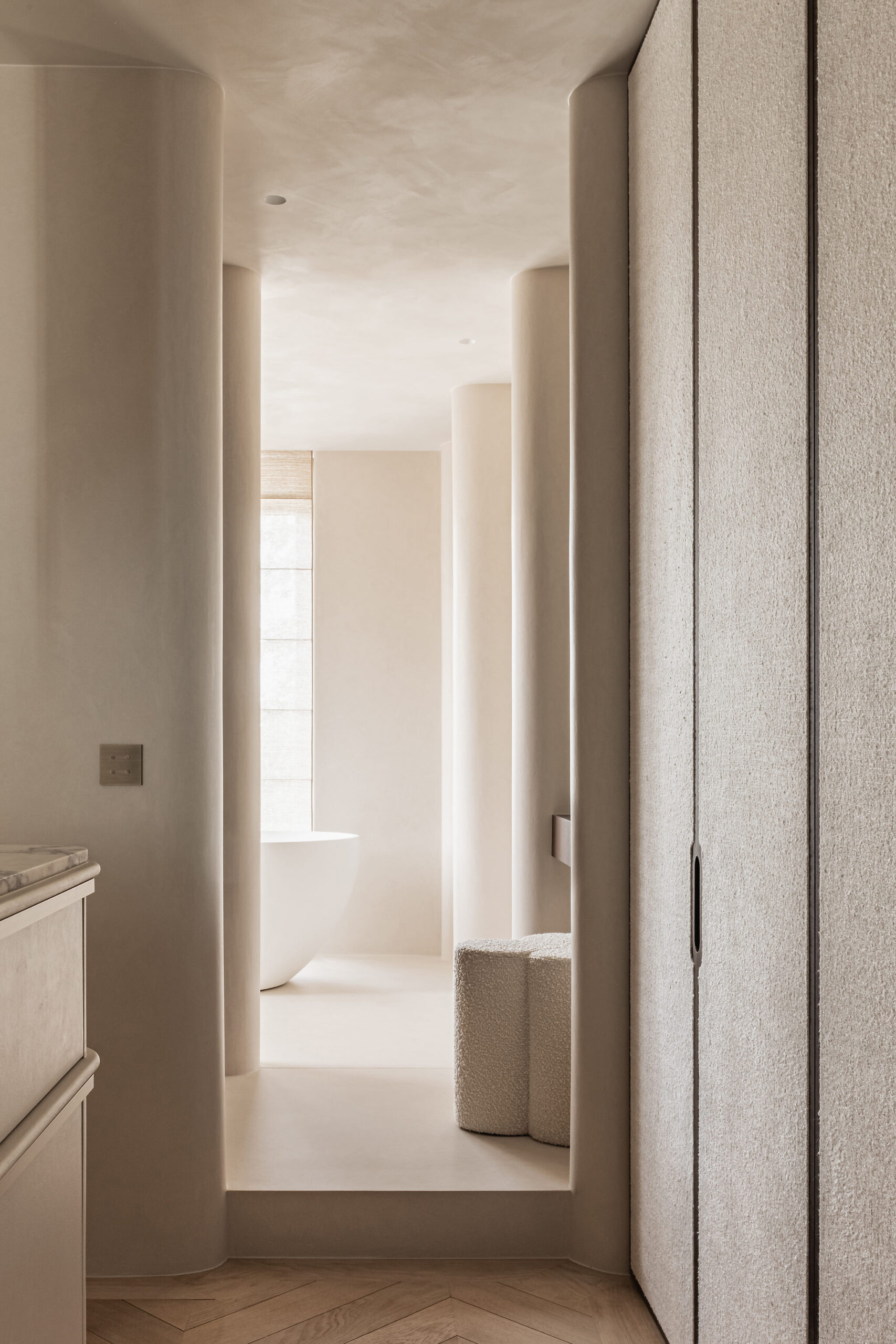
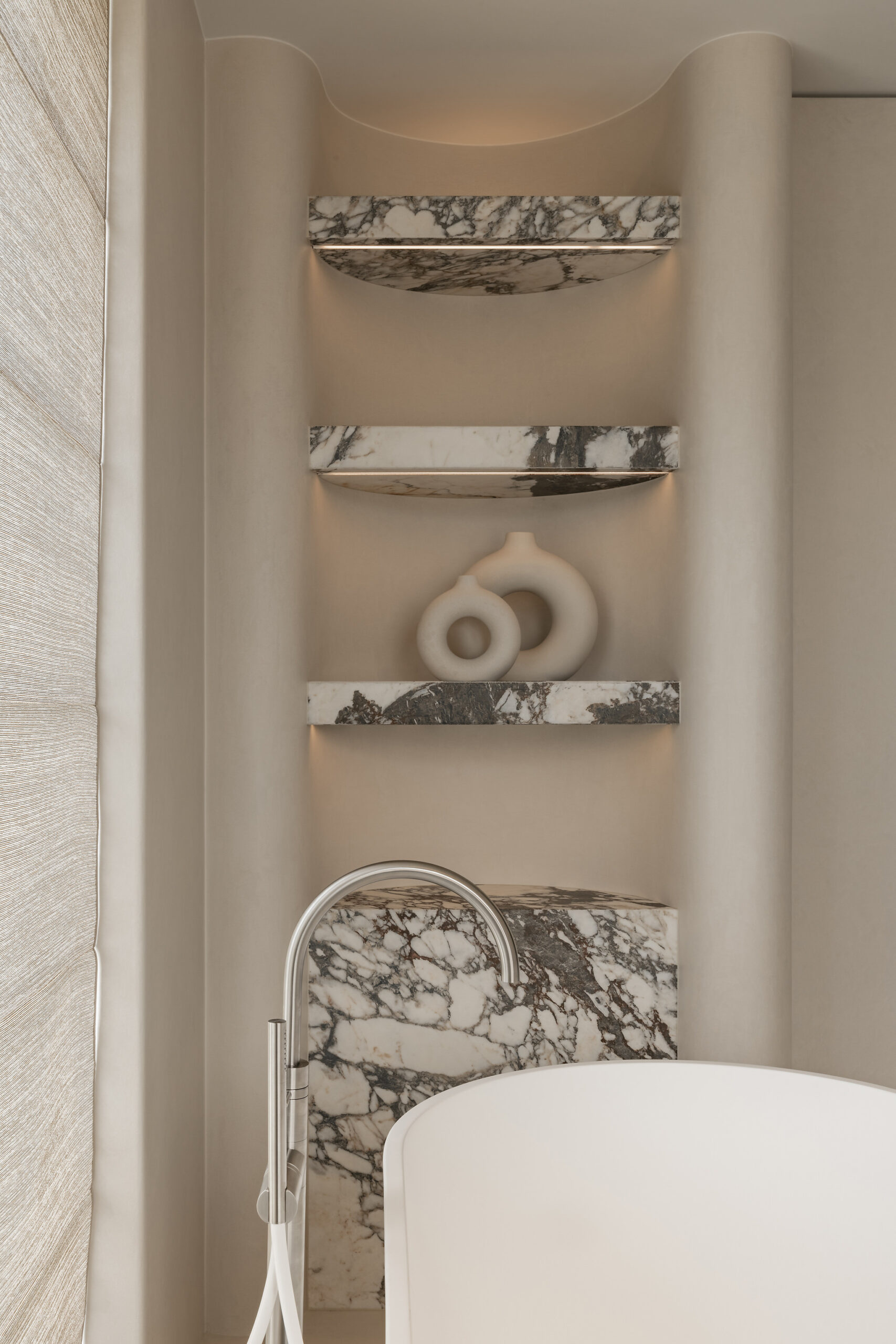
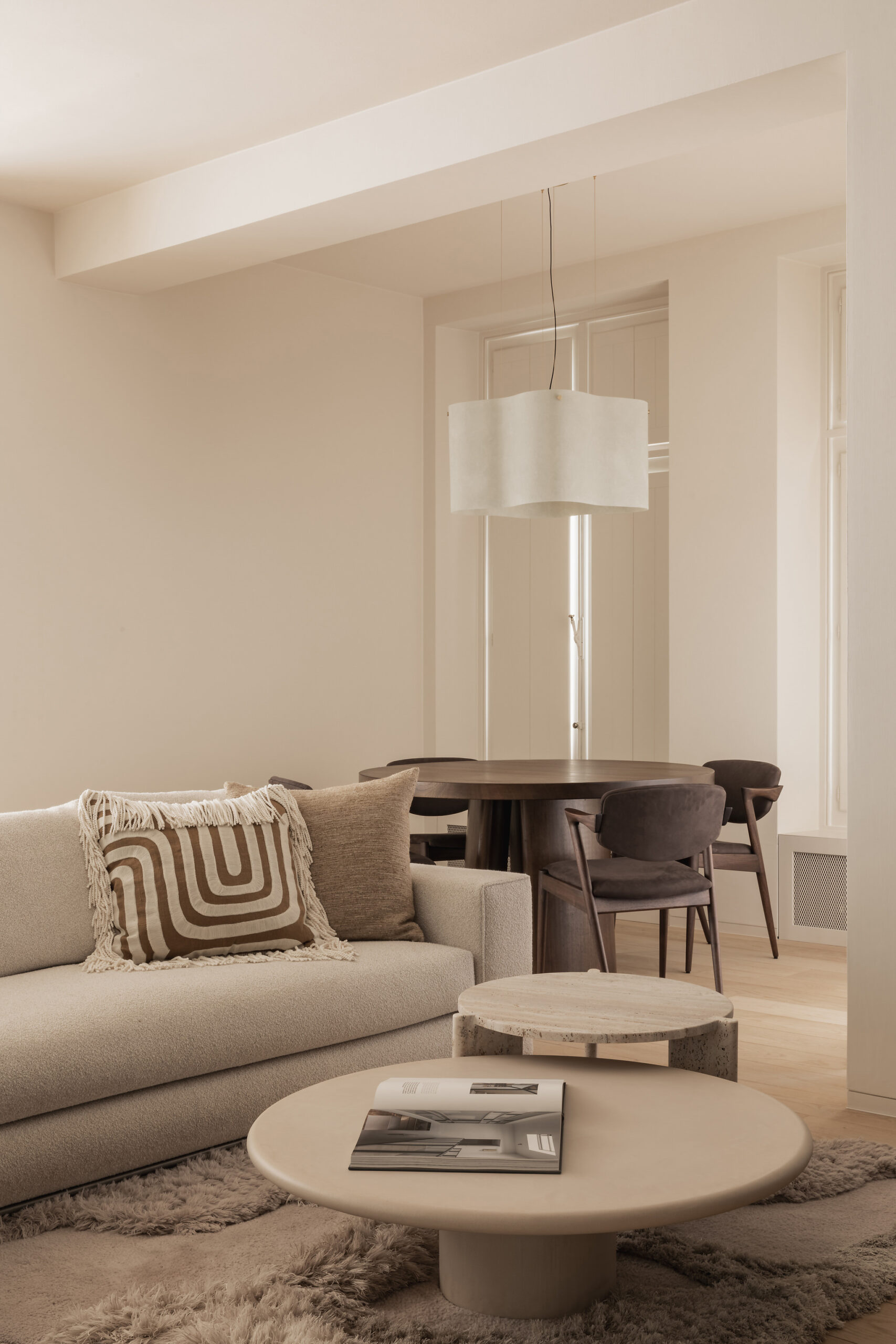
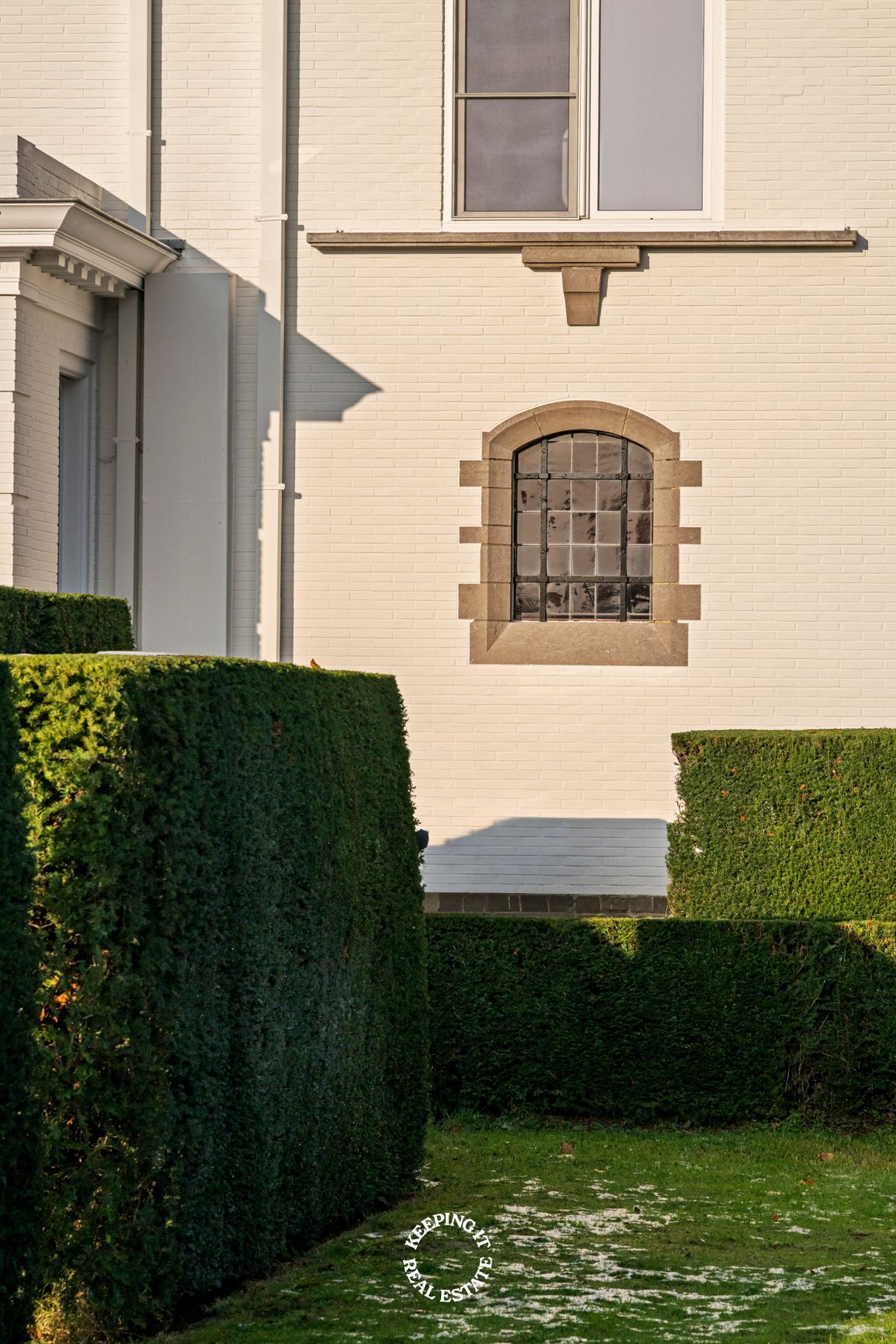
What makes these projects special is that they are both renovations. I always begin by understanding the character of the existing building and its surroundings, allowing them to guide the design rather than working against them. My own home is a stately manor house, so I chose to celebrate its original identity by preserving features such as the mouldings, fireplace, and architectural proportions, while carefully introducing contemporary comfort. Every material, colour, and finish was selected to honour the spirit of the house.
What was the biggest design challenge on this project, and how did you solve it?
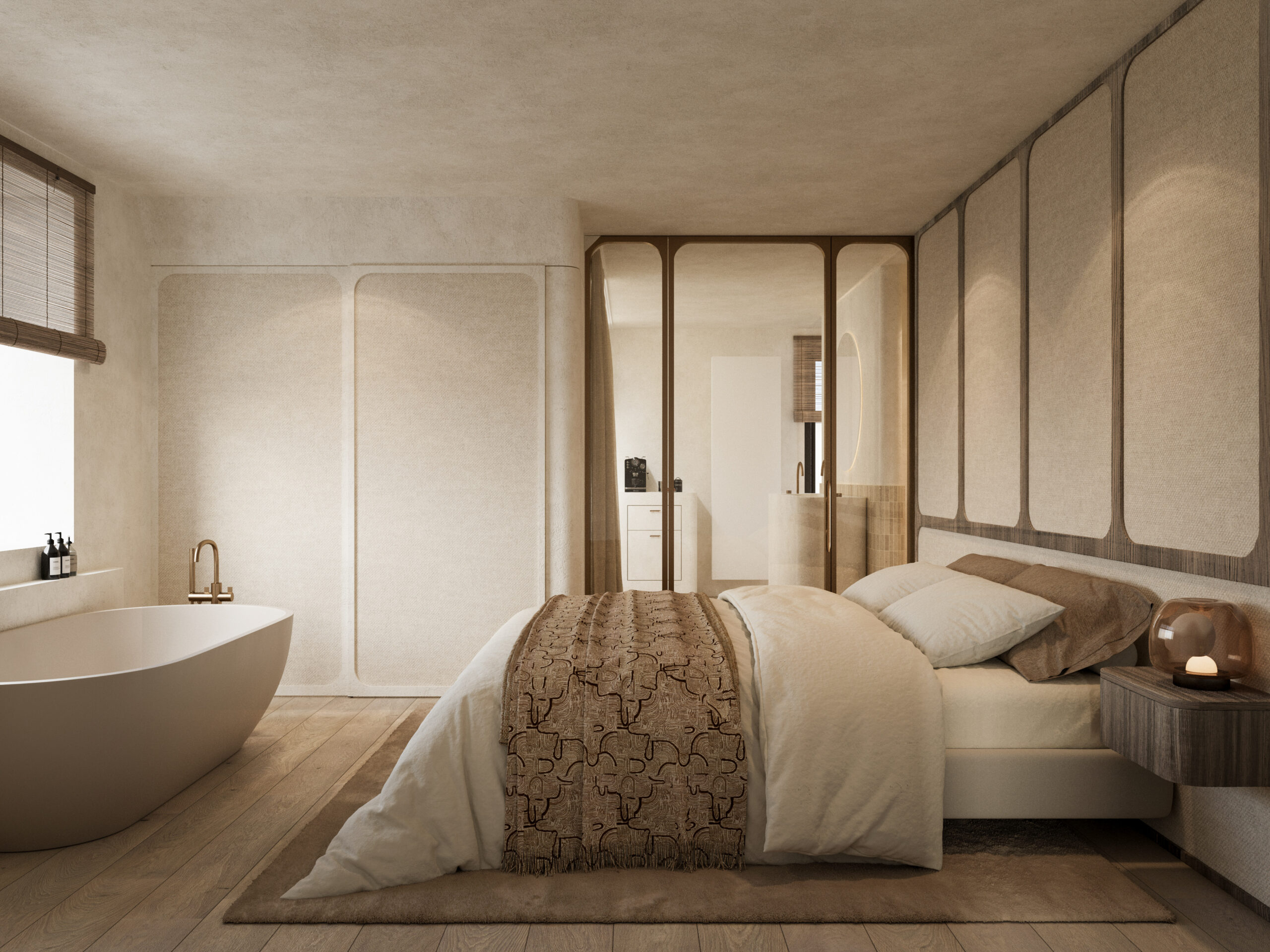
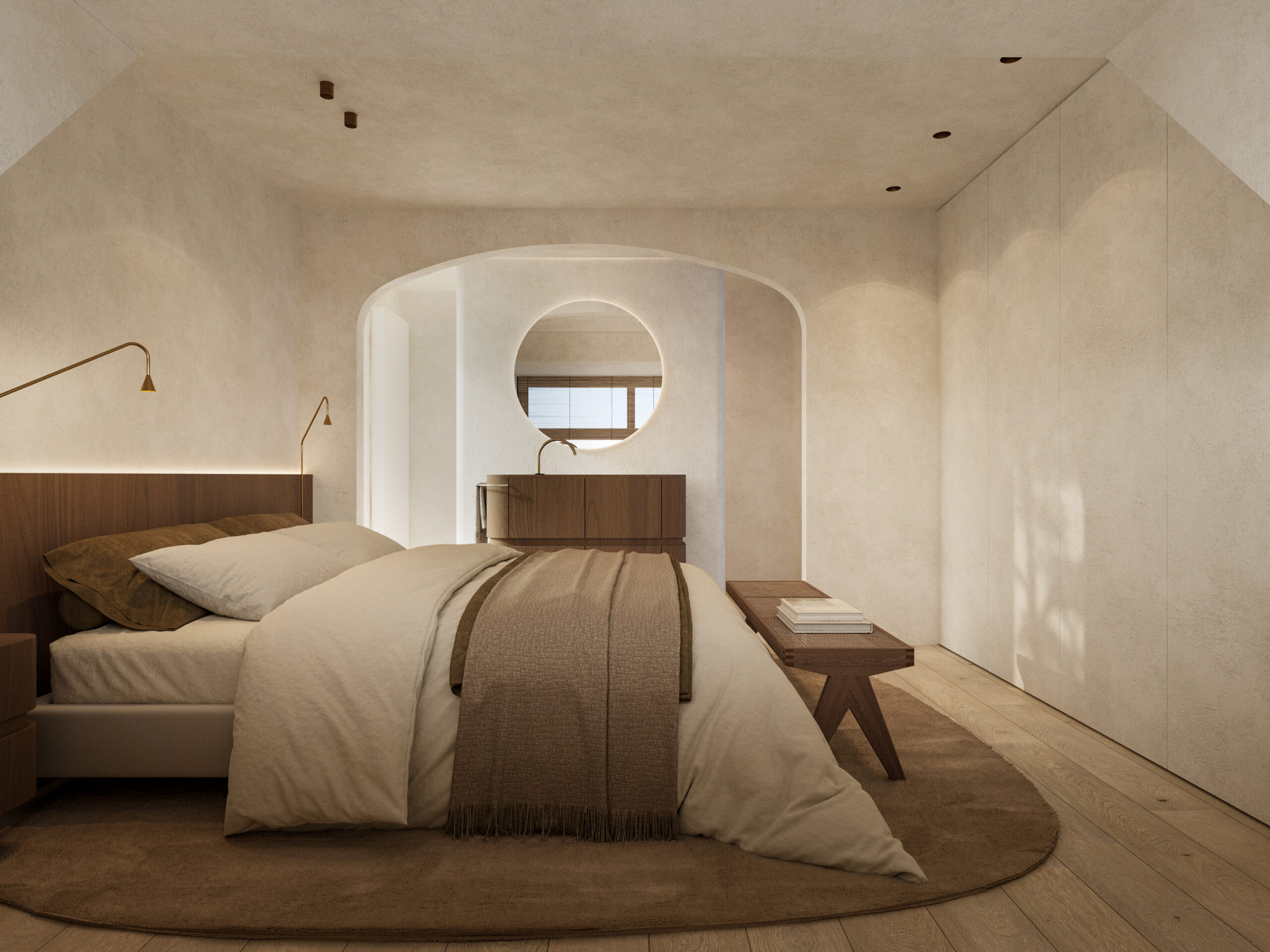
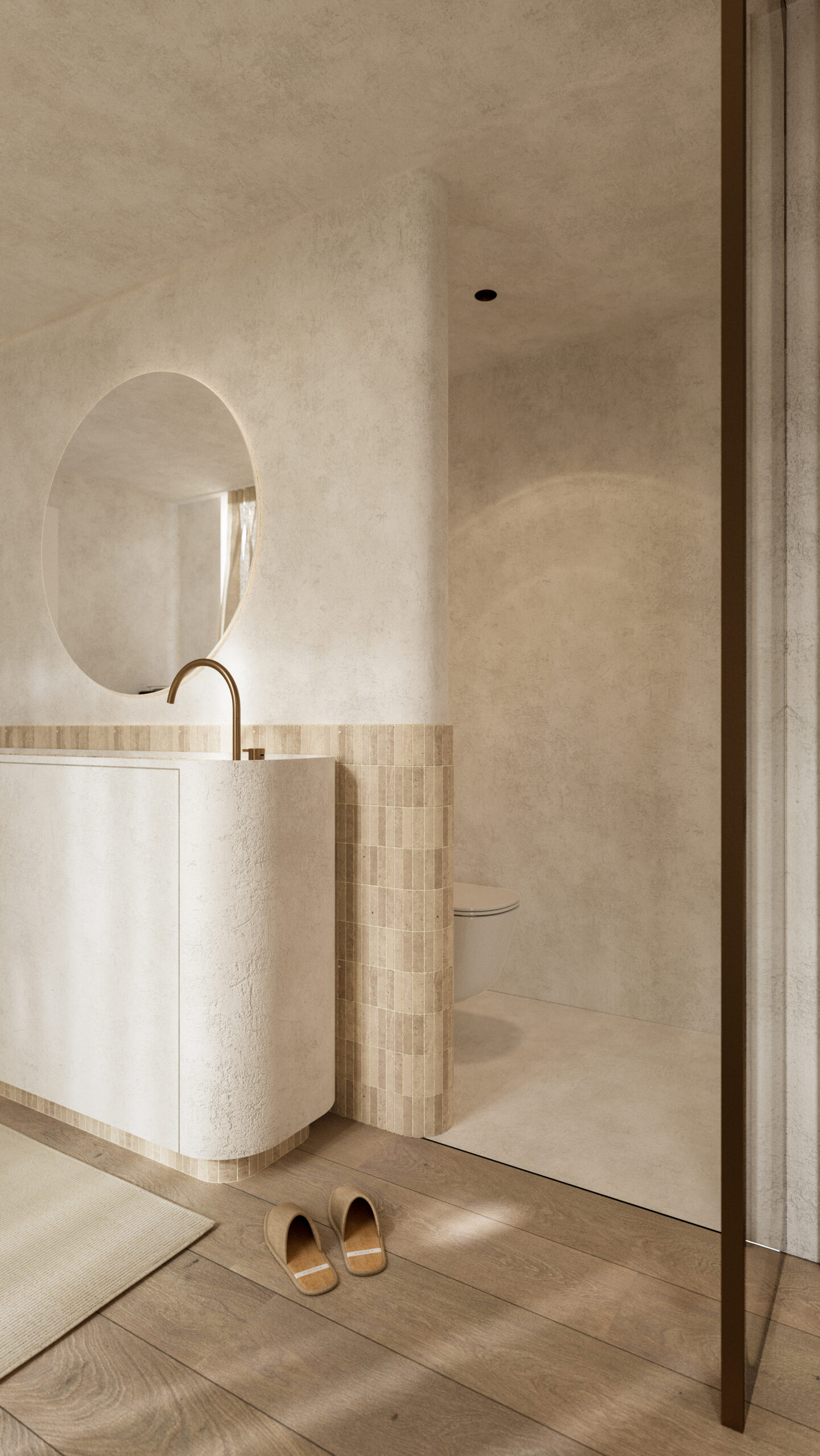
For my project in Knokke, the focus was entirely different. I wanted to capture the feeling of a boutique hotel by the sea, where every bedroom has its own ensuite bathroom and its own unique atmosphere. While the materials create a consistent story throughout the villa, each room has its own identity and mood, allowing guests to experience a sense of discovery. For me, that balance between cohesion and individuality is what makes a project truly memorable.
What’s the detail in this project you’re most proud of?
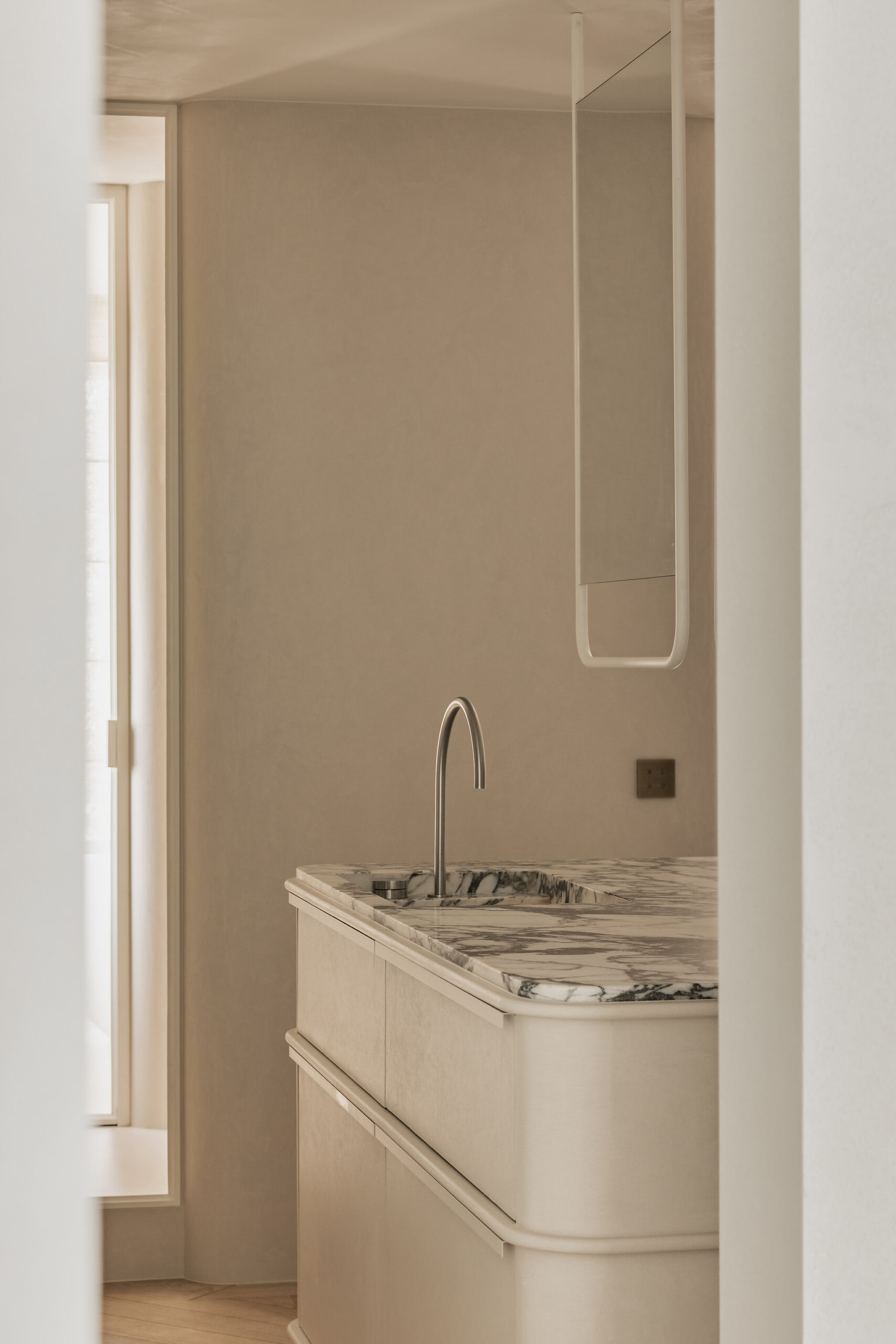
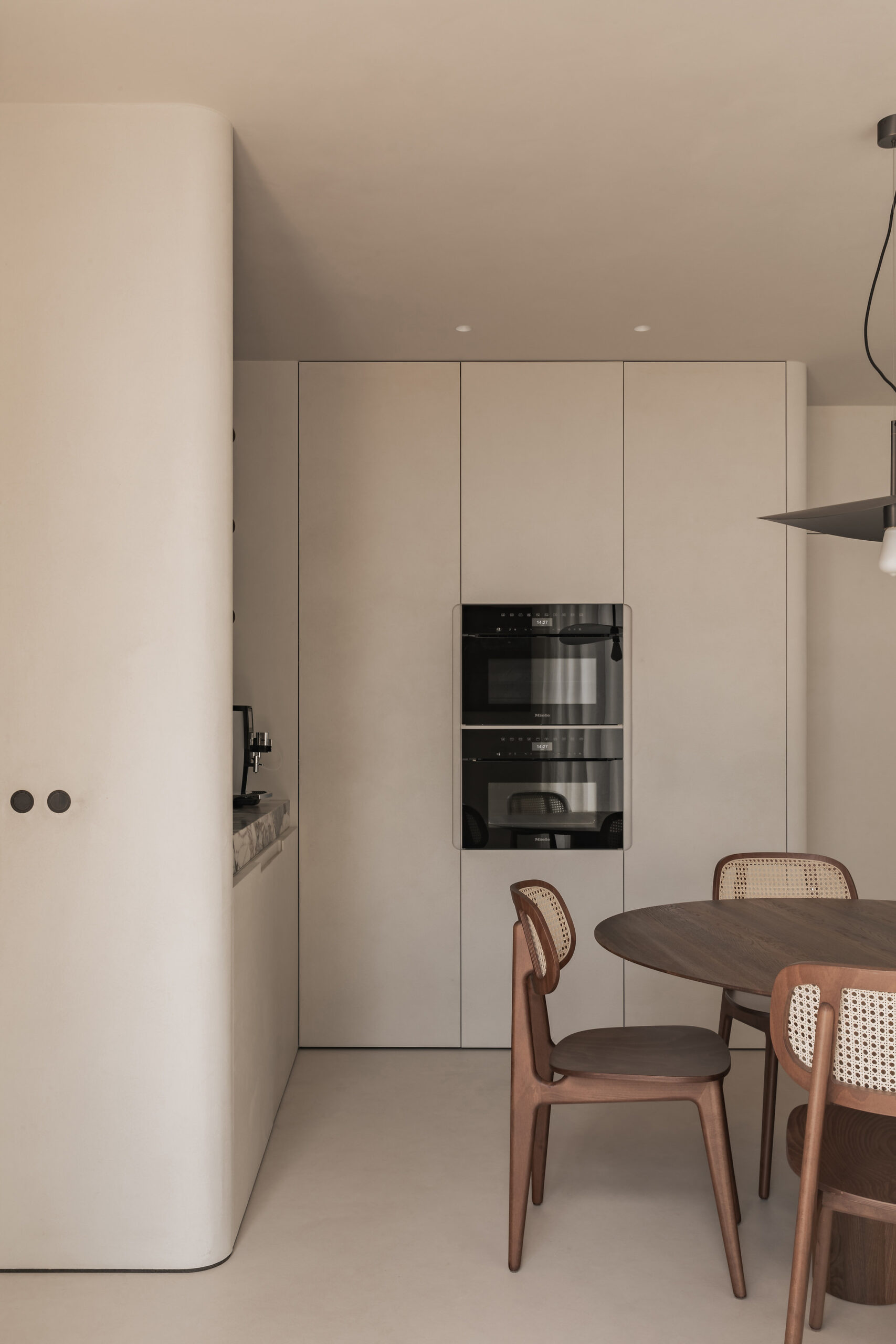
Rather than being proud of one specific detail, I take pride in creating details that are unique to each project. I never want to repeat the same signature element. Instead, every home develops its own language through bespoke craftsmanship whether that’s custom joinery, natural stone detailing, or carefully considered architectural features. In my own home, this meant rounded cabinetry, softly milled handles, and elegant mouldings that reinforce the manor’s timeless character.
What’s next for you? Any projects or directions you’re especially excited about?
I see the future as a process of refinement rather than expansion. I am naturally self-critical and constantly reflecting on how I can improve, and that has taught me to trust my intuition. My goal is not to take on more projects, but to focus on fewer, larger projects where I can dedicate the time and attention needed to deliver exceptional quality. I also want to spend more of my time on the creative process itself, allowing my team to gradually take on more of the project coordination.
At the same time, I want every project to become even more recognisable as part of my design language. That is why I am expanding beyond interior architecture into product design, creating my own collection of furniture and objects that naturally complement my interiors. I have also written my first book, which is currently being printed, as another way of sharing my vision and philosophy.
I also believe the way we present our work is evolving. Beautiful photography alone is no longer enough. People want to experience the story behind a project through video, emotion, and the design journey itself. That’s something I’m exploring more and more, naturally through collaborations, editorial features, and the projects I have the opportunity to share. Alongside that, I’m redesigning my website to better reflect the quality and depth of my work.
Where would you like to see your studio in the next few years?
Ultimately, my ambition is simple: to create fewer but stronger projects, build an even more distinctive design identity, and continue shaping spaces that people instantly recognise as timeless, serene, and unmistakably my own.
A design era or movement you keep returning to?
I don’t find inspiration in one particular design movement or historical era. Instead, I’m drawn to places and the emotions they evoke. I often return to the relaxed atmosphere of Ibiza, the timeless elegance of boutique hotels on the Greek islands, and the warmth and craftsmanship found in Moroccan interiors. I love working with natural materials such as wood, rattan, raffia, and stone, combined with rich, earthy colours like terracotta and deep burgundy.
Over the years, these influences have evolved into a design language of my own. It’s a blend of Mediterranean ease, the natural simplicity of Bali, and the quiet restraint of Japanese design with a subtle nod to Wabi-Sabi. Rather than recreating a particular style, I translate these inspirations into timeless, serene interiors that feel authentic, warm, and deeply connected to their surroundings.
One object in your own home you couldn’t live without?
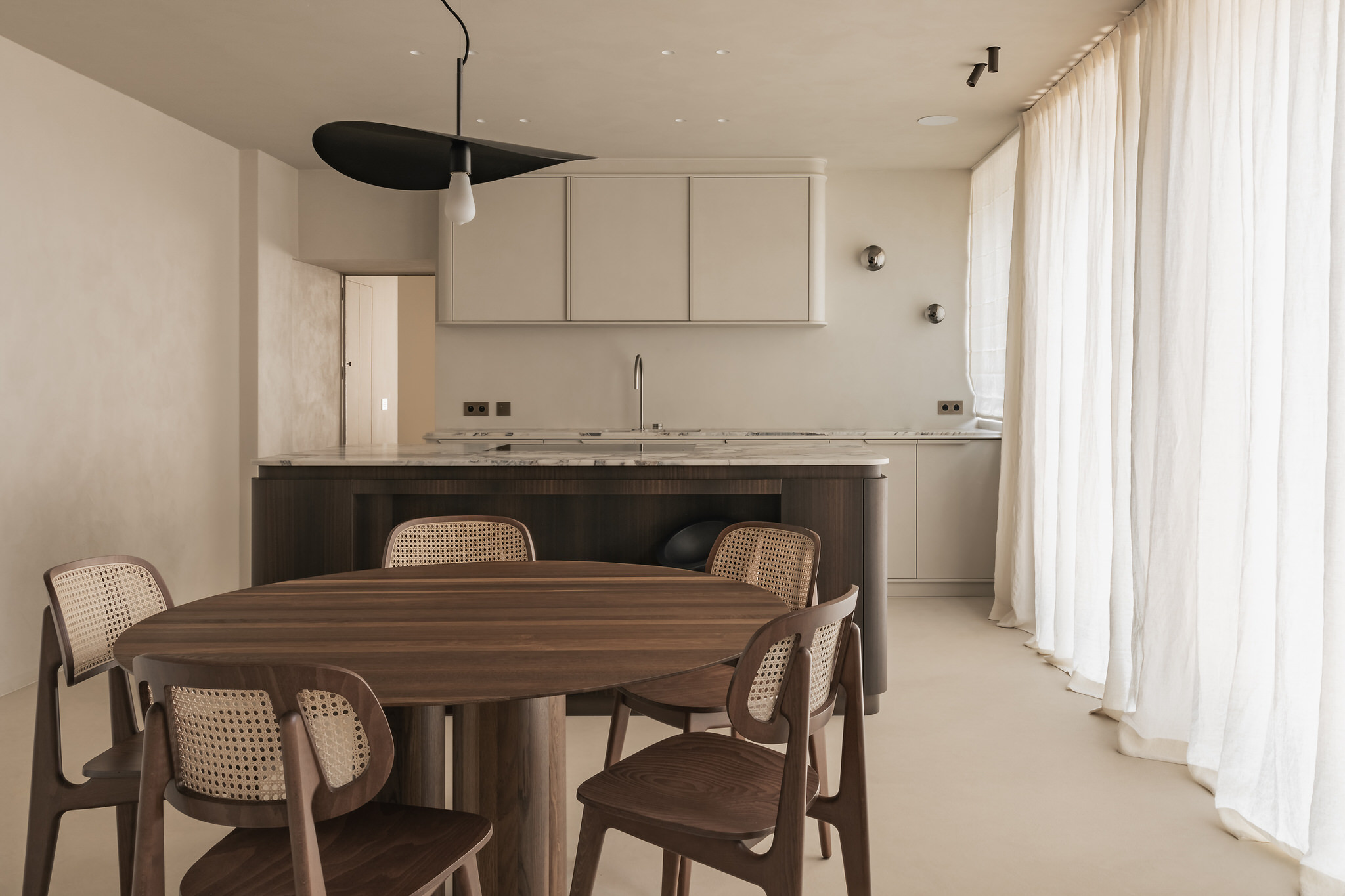
If I had to choose one favourite element in my home, it wouldn’t actually be a single object it would be a view. The moment I walk through the front door and look to my left, I see a composition that captures everything I love about interior design. What was once a simple doorway has become a pair of arched steel-and-glass doors, framing a carefully layered scene: a statement pendant, an organic Mortex dining table, Japandi chairs, a softly aged oak floor, and, beyond it all, a beautiful arched window that gives the space its soul. This view is much more than a beautiful composition. It’s where I work every day, where I can see the garden, welcome people into my home, and watch my children play and interact as a family. It reminds me that great design is not about a single object, but about creating meaningful moments and emotional connections. Every time I see this space, it gives me the same feeling it feels like home, and it feels like the life I once dreamed of.
“Great design is not about a single object, but about creating meaningful moments and emotional connections.”