
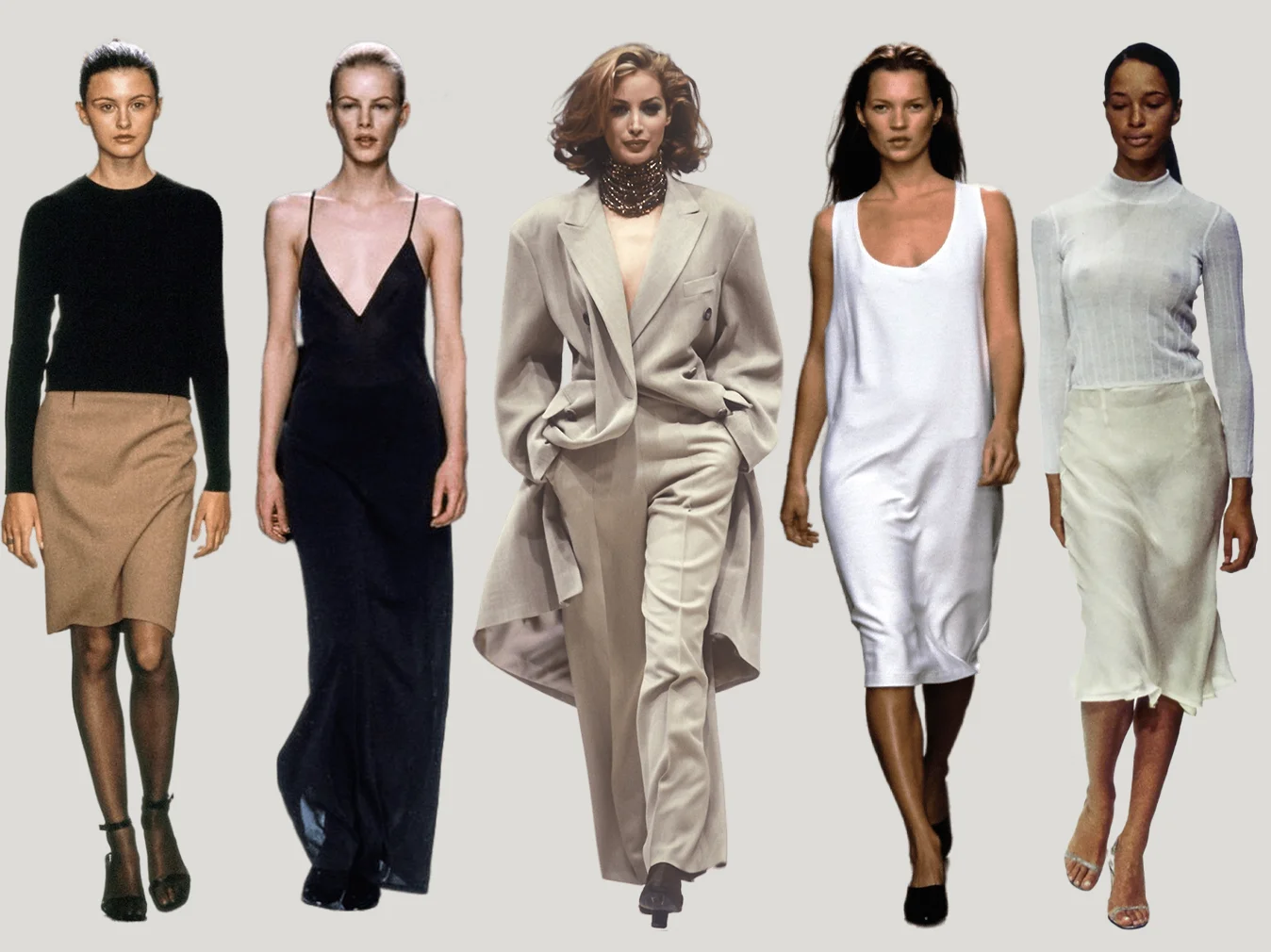
The End of Overt Opulence
For over a decade, luxury was loud. Monograms dominated runways, social media amplified visibility, and status became synonymous with recognizability. Yet in 2026, a powerful shift has taken hold — one that favors subtlety over spectacle.
Quiet luxury is not a trend; it is a recalibration of values. It reflects a growing desire for permanence in a world built on speed.
Consumers are turning away from conspicuous branding in favor of understated tailoring, heritage craftsmanship, and materials that speak for themselves.
Craftsmanship Over Recognition
The appeal of quiet luxury lies in precision. A perfectly cut wool coat. Hand-stitched leather shoes. A timepiece with no visible logo. These pieces do not demand attention — they reward it.
European ateliers, particularly in Italy and France, have long practiced this philosophy. Today, younger affluent consumers are rediscovering these traditions, valuing the integrity of construction over mass-market recognition.
Luxury is shifting from “Who made it?” to “How was it made?”
The Psychology of Discretion
There is also a psychological element at play. In an age of digital oversharing, restraint signals confidence. Those who truly understand quality do not need validation.
Quiet luxury reflects emotional maturity. It suggests self-assurance rather than status anxiety.
Sustainability & Longevity
The movement also aligns with conscious consumption. Investing in fewer, timeless pieces reduces waste. Quality ensures longevity. Repair replaces replacement.
Luxury is becoming slower — and smarter.
A Cultural Reset
Ultimately, quiet luxury represents a broader cultural reset. It prioritizes authenticity, heritage, and craftsmanship in an era fatigued by excess.
In 2026, the most powerful statement is not what you display — but what you understand.